
For decades, the proximity between Miami and Cuba has been a subject of intrigue, historical significance, and logistical planning for travelers. Geographically, the two points are closer than many realize, yet the journey between them is defined by a complex tapestry of maritime distance, airspace restrictions, and evolving travel policies. Understanding the true span of this crossing requires looking at both the physical reality and the regulatory landscape that shapes how visitors experience this iconic route.
The Physical Distance Across the Straits of Florida
The geographical distance between the southern tip of the United States and the northern coast of the largest island in the Caribbean is surprisingly short.
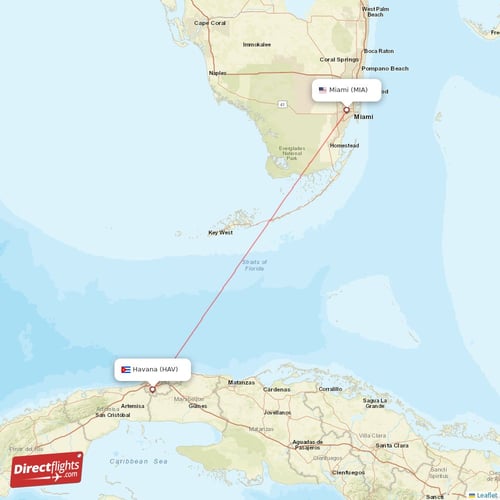
Measuring the Nautical Gap
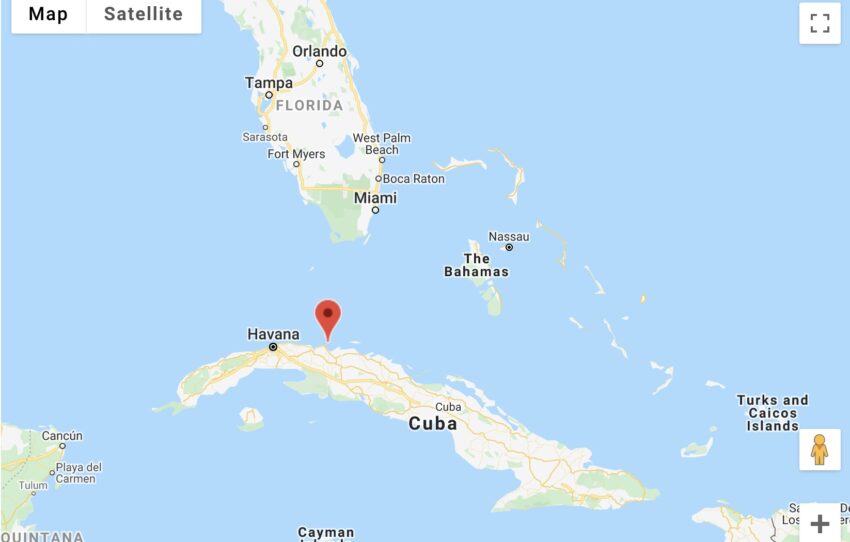
When calculating the direct distance, one must look at the Straits of Florida. At their closest point, the distance from the Florida Keys to the shores of Havana is approximately 90 to 100 miles. From the metropolitan hub of Miami, the air distance is roughly 230 miles. This narrow corridor of water has served as a bridge between cultures for centuries, despite the geopolitical challenges that have frequently constrained movement across these waves.
Aviation and Maritime Realities
While 90 miles is a short distance for a modern vessel or aircraft, the “how far” question is often answered more by duration than by mileage. A commercial flight from Miami International Airport to José Martí International Airport typically takes about 45 to 60 minutes in the air. However, because of the specific flight paths, international regulations, and terminal processing times, the journey is treated with the rigor of a long-haul flight. The short duration belies the deep transformation in environment and culture that occurs once you cross the Florida Strait.
Navigating the Travel Landscape
Travelers often inquire about the distance because they are planning a trip that bridges two distinct worlds. While the map shows a short stretch of water, the regulatory path is a journey of its own.
Legal Considerations for the Modern Explorer
Because Cuba remains a unique destination for travelers originating from the United States, the distance is measured in bureaucratic steps as much as miles. Visitors must ensure they fall into one of the authorized travel categories. Understanding these requirements is essential before looking at flight schedules or ferry routes. The proximity has encouraged a deep, cross-pollination of Cuban and American cultures, visible everywhere from the streets of Little Havana to the historic architecture of Old Havana.
The Evolution of Routes
In years past, various ferry services and charter programs were proposed to link the two regions more fluidly. While air travel remains the primary method for most international visitors, the maritime route remains a dream for many. The distance is short enough that, in optimal conditions, a private vessel could traverse the gap in a single day. However, maritime law and international maritime borders dictate that such crossings must be carefully planned, documented, and executed with strict adherence to Coast Guard regulations.
Experiences Beyond the Horizon
Once the distance is overcome, the visitor is met with a landscape vastly different from the neon lights and modern skyscrapers of South Beach.
Cultural Disparities and Connections
Moving from the urban sprawl of Florida to the Malecón in Havana feels like a leap back in time and across a cultural chasm. The architecture, which reflects colonial Spanish influences, stands in stark contrast to the Art Deco movement prevalent in Miami Beach. Despite these differences, the proximity has ensured that the two cultures are inextricably linked through music, food, and family history.
What Awaits the Traveler
When planning a journey, it is helpful to shift the focus from the 90-mile physical gap to the depth of experience awaiting on the other side.
- The Climate: Both regions share a tropical Atlantic climate, yet the seasons in Cuba offer a more rugged, preserved natural beauty.
- The Culinary Scene: While Miami offers a global fusion of cuisines, traditional Cuban fare—such as Ropa Vieja—is experienced in its most authentic, slow-cooked form within the island’s many family-run paladares.
- The Atmosphere: Havana presents an atmosphere of preserved history, where classic cars and century-old buildings create a sensory experience that is impossible to replicate in modern North America.
Planning Your Journey
For those curious about the proximity, the question “How far?” is an invitation to explore. Whether you are traveling for research, history, or the sheer allure of the Caribbean, the trip is one of the most accessible international adventures available to those in Florida.
Tips for a Seamless Crossing
If you are planning to travel from Miami to Cuba, keep the following logistics in mind:
- Documentation: Always verify the latest U.S. Department of State travel advisories and entry requirements for Cuba.
- Currency and Finance: Be aware that U.S. credit and debit cards often do not function within Cuba, requiring travelers to carry sufficient cash.
- Booking: Use authorized travel providers that specialize in the Florida-to-Cuba corridor to ensure your documentation is handled correctly.
- Timing: The best time to travel is generally during the dry season, which spans from November to April, offering mild temperatures and lower humidity for exploring the vibrant streets of Havana.
The Lasting Bond
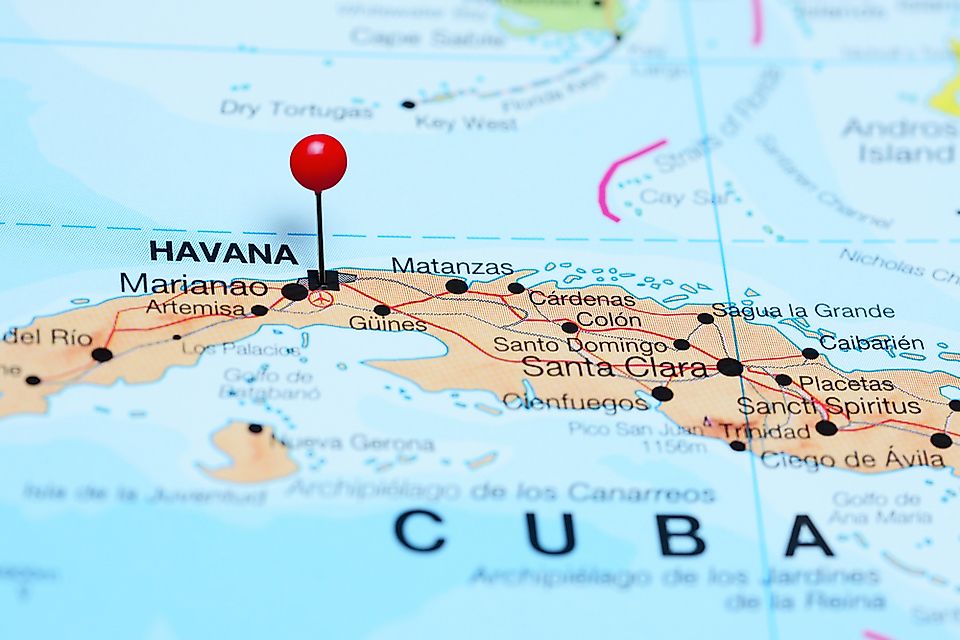
The distance between Miami and Cuba may be geographically small, but it represents a bridge between two worlds that remain eternally curious about one another. Whether you are viewing it from the shores of Key West or landing at José Martí International Airport, the journey is a poignant reminder of how geography shapes politics, culture, and personal discovery. The proximity ensures that even when relations are distant, the two shores remain within sight of one another, separated by a sea that has carried dreams, stories, and people for generations. While you prepare for your travels, remember that the true distance is not measured in miles, but in the experiences you collect once you arrive in a land that has captivated travelers for decades. As you look across the Florida Strait, you are not just looking at a neighboring country, but at a destination that offers a profound reflection of the human spirit.
LifeOutOfTheBox is a participant in the Amazon Services LLC Associates Program, an affiliate advertising program designed to provide a means for sites to earn advertising fees by advertising and linking to Amazon.com. Amazon, the Amazon logo, AmazonSupply, and the AmazonSupply logo are trademarks of Amazon.com, Inc. or its affiliates. As an Amazon Associate we earn affiliate commissions from qualifying purchases.