
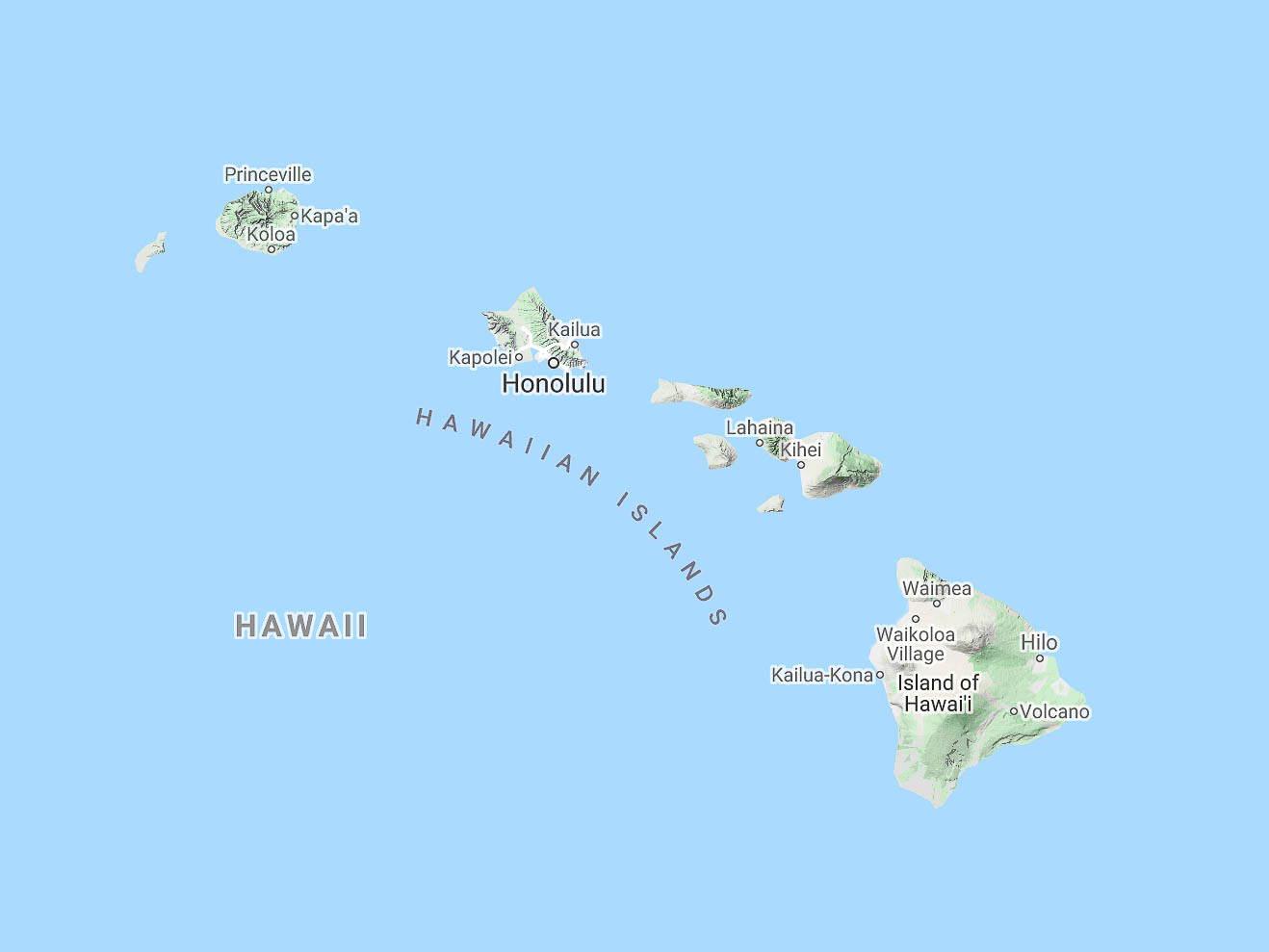
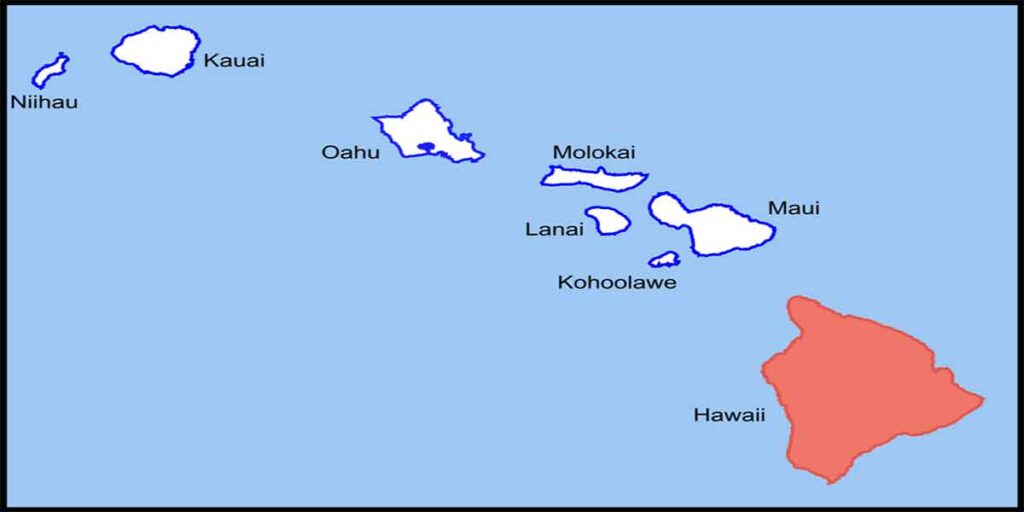
When travelers first begin planning a trip to the Hawaiian Islands, the terminology can often lead to mild confusion. Many visitors search for the “Big Island” on a map, only to find that the official name is actually Hawaii. This naming convention is the source of frequent misunderstandings, as the entire state shares the name of its largest island. To avoid confusion with the state of Hawaii, residents and tourism boards almost exclusively refer to it as the “Big Island.”
Understanding the geography and the distinction between the island and the state is the first step toward appreciating the sheer scale and diversity of this unique destination. As the largest island in the United States archipelago, it encompasses a land area larger than all the other islands in the chain combined.
The Geography of the Big Island
The Big Island is a place of geological superlatives. It is geologically the youngest island in the chain, yet it offers a landscape that feels as though it has been crafted over eons. Its formation is driven by the Hawaiian Hotspot, a volcanic chimney that has birthed this massive landmass from the depths of the Pacific Ocean.
Volcanic Origins and Modern Growth
The island is composed of five separate shield volcanoes: Kohala, Mauna Kea, Hualalai, Mauna Loa, and Kilauea. Each of these peaks tells a different story of the earth’s raw power. While Kohala is the oldest and long extinct, Kilauea remains one of the most active volcanoes on the planet, constantly reshaping the coastline with molten lava. This perpetual growth is what makes the Big Island a premier destination for those interested in the primal forces of nature.
Diverse Climate Zones
Because of its massive elevation and the way the mountains block trade winds, the Big Island boasts a remarkable variety of climates. Within a few hours of driving, a visitor can traverse through eleven of the thirteen world-recognized climate zones. You might start your morning in the tropical heat of the Kona Coast, drive through the temperate pastures of Waimea, and finish your day trekking through the high-altitude, sub-arctic conditions near the summit of Mauna Kea.
Navigating the Two Main Districts: Kona and Hilo
The island is broadly divided into two major regions, each offering a distinct experience for visitors. Choosing which side to visit—or deciding to split your time between both—is a fundamental part of the trip-planning process.
The Sunny Kona Coast
The western side of the island, Kona, is where most travelers begin their journey. Known for its consistent sunshine and dry weather, this is the hub for water-based activities. The coastline here is dotted with historic fishing villages and high-end resorts. The waters of Kailua-Kona are legendary for big-game fishing and vibrant coral reefs, making it an ideal spot for snorkeling and scuba diving. The Kona Coffee belt, located on the slopes of the mountains, is world-renowned for producing some of the highest-quality beans on the planet, cultivated in the rich, volcanic soil.

The Lush Windward Side of Hilo
In contrast, Hilo lies on the eastern side of the island and is defined by its dramatic rainforests, cascading waterfalls, and botanical gardens. While Hilo experiences significantly more rainfall, this precipitation creates the lush, verdant landscapes that many visitors associate with a tropical paradise. Akaka Falls and Rainbow Falls are iconic natural landmarks that showcase the power of the island’s water systems. This side of the island feels more grounded in local culture and traditional Polynesian heritage.
Key Landmarks and Cultural Significance
Beyond the climate and geography, the Big Island is a repository of deep historical and cultural importance. The island was the birthplace of Kamehameha the Great, the monarch who unified the islands under one kingdom.
Puuhonua o Honaunau National Historical Park
Perhaps the most significant cultural site is Puuhonua o Honaunau National Historical Park. In ancient times, this site served as a “place of refuge.” Those who had broken the sacred laws known as Kapu could flee to this sanctuary to receive absolution from a priest. Today, visitors can walk the grounds, view the preserved wooden carvings, and gain a profound understanding of the complex social and spiritual structures of early Hawaiian society.
Hawaii Volcanoes National Park
No trip to the island is complete without spending time in Hawaii Volcanoes National Park. This UNESCO World Heritage site is the centerpiece of the island’s tourism. It offers an unparalleled opportunity to walk across solidified lava lakes, explore the Thurston Lava Tube, and witness the ongoing dialogue between the land and the Pacific Plate. The park serves as a reminder that the Big Island is not a static object but a living, breathing entity that continues to evolve.
Travel Tips for the Big Island
Because of its massive size, the Big Island requires more travel time than the other islands in the archipelago. It is essential to approach your itinerary with a realistic sense of scale.
Renting a Vehicle
Renting a car is not just a recommendation; it is an absolute necessity. Public transportation is extremely limited, and the distance between major attractions—such as the drive from Kona to the Volcanoes National Park—can take several hours. A 4×4 vehicle is often recommended if you plan on exploring more rugged terrain, such as the Saddle Road or accessing remote beach parks.
Respecting the Land
The spirit of the island is deeply rooted in Malama Aina, or “caring for the land.” As a visitor, it is crucial to remain on marked trails, refrain from removing lava rocks or sand, and practice reef-safe sunscreen habits to protect the delicate marine ecosystems. The Big Island is not merely a backdrop for a vacation; it is a sacred home to those who live there. By respecting the local customs and the environmental fragility of the region, visitors ensure that the island remains as pristine and powerful for future generations as it is today.
As you prepare for your journey to this incredible landmass, remember that the “Big Island” is more than just a name. It is a destination that demands curiosity, a spirit of adventure, and an appreciation for the vast, diverse, and untamed beauty of the natural world. Whether you are seeking the thrill of volcanic exploration or the quietude of a remote beach, this island offers a profound experience that stays with you long after your return flight departs.
LifeOutOfTheBox is a participant in the Amazon Services LLC Associates Program, an affiliate advertising program designed to provide a means for sites to earn advertising fees by advertising and linking to Amazon.com. Amazon, the Amazon logo, AmazonSupply, and the AmazonSupply logo are trademarks of Amazon.com, Inc. or its affiliates. As an Amazon Associate we earn affiliate commissions from qualifying purchases.