
Crossing the Atlantic from the West Coast of the United States to the heart of the United Kingdom is a journey that bridges two of the most influential cultural hubs in the world. For travelers departing from Los Angeles, the prospect of flying to London is exciting, yet it requires significant logistical planning due to the sheer distance involved. Understanding the duration, variables, and nuances of this long-haul flight is essential for ensuring a comfortable and well-prepared journey.
Understanding Flight Duration and Variables
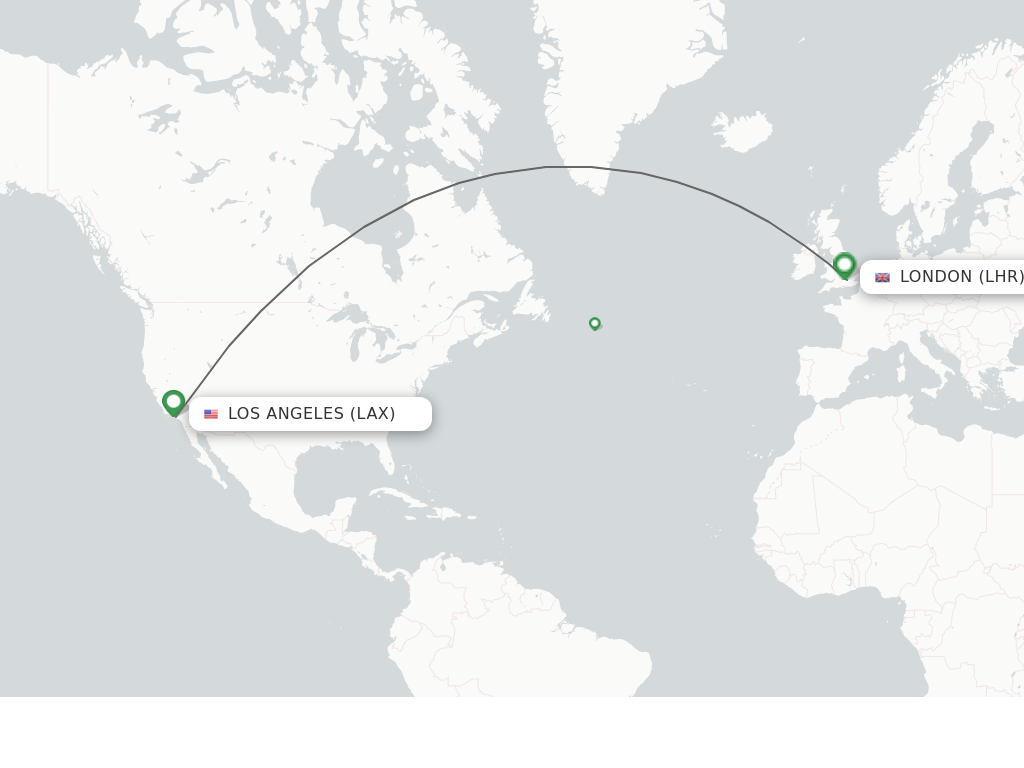
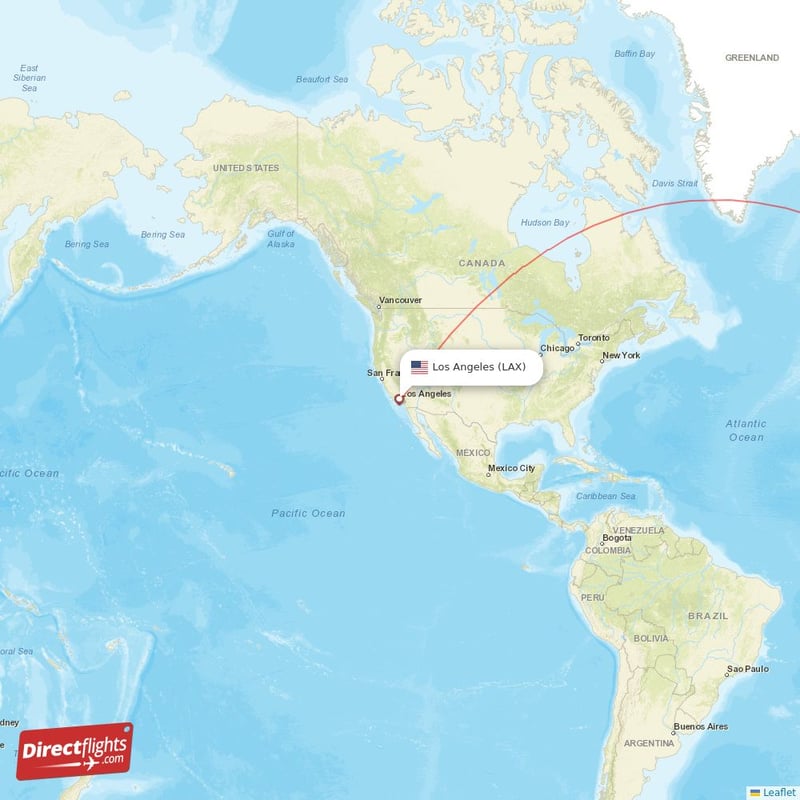
The distance between Los Angeles International Airport and London Heathrow Airport is approximately 5,450 miles. On average, a direct flight takes anywhere from 10 to 11 hours heading eastbound. However, flight times are rarely static. Several technical and environmental factors dictate exactly how long you will spend in the air.
The Impact of the Jet Stream
The primary reason for the variation in flight time is the jet stream—a high-altitude, fast-moving band of air that generally flows from west to east. When flying from Los Angeles to London, the plane benefits from a tailwind, which can significantly reduce the travel time, sometimes shortening the flight to just under 10 hours. Conversely, the return journey from London to Los Angeles typically takes longer—often 11 to 12 hours—as the aircraft must battle the prevailing headwinds.
Direct vs. Connecting Flights
While direct flights are the gold standard for efficiency, they are not the only option. Many travelers opt for connecting flights to take advantage of lower fares or specific airline loyalty programs. Common layover hubs include New York City, Chicago, or Reykjavik. Choosing a flight with a layover can extend the total travel time from 10 hours to anywhere between 14 and 20 hours, depending on the duration of the stopover. It is vital to consider whether the cost savings of a connecting flight justify the added fatigue of spending extra time in transit.
Preparing for Long-Haul Travel
Surviving a 10-hour flight across multiple time zones requires more than just showing up at the gate. Preparation begins days before your departure from California and continues until you touch down in the United Kingdom.
Managing Jet Lag
One of the most significant challenges of the trip is the eight-hour time difference. When you leave the Pacific Time Zone, you are essentially skipping a large portion of your night. To mitigate jet lag, it is recommended to adjust your sleep schedule by an hour or two in the days leading up to your departure. On the plane, try to align your sleep with the time in London. If you arrive in the morning, do your best to stay awake until the evening to help your internal clock acclimate to British Summer Time or Greenwich Mean Time.
Comfort and Cabin Strategy
Inflight comfort is paramount for long-haul routes. Whether you are flying in economy, premium economy, or business class, having a strategy for the flight is essential.
- Hydration: The cabin environment is notoriously dry. Drink plenty of water and limit caffeine and alcohol to avoid dehydration and headaches.
- Movement: Every few hours, walk the aisles or perform seated stretches to promote circulation.
- Entertainment: Even with modern inflight entertainment systems, having your own noise-canceling headphones, downloaded podcasts, or a book can make the time pass more quickly.
Airline Options and Aircraft Types
The experience of flying from Los Angeles to London varies significantly depending on the airline and the aircraft. Major carriers such as British Airways, Virgin Atlantic, United Airlines, and American Airlines operate this route frequently.
Modern Aircraft Technology
Newer, fuel-efficient aircraft like the Airbus A350 and the Boeing 787 Dreamliner have revolutionized long-haul travel. These planes feature lower cabin altitudes and better air filtration systems, which can significantly reduce the feeling of jet lag and dehydration upon arrival. When booking your ticket, checking the aircraft type can be a useful way to gauge your comfort level during the long journey.
Service Class Considerations
The duration of the flight often influences a traveler’s decision on cabin class. For those flying for business or looking to arrive in London fully rested, business class options provide lie-flat seats and dedicated dining, which can make a 10-hour flight feel remarkably short. However, premium economy has become a popular middle-ground, offering extra legroom and improved amenities at a more accessible price point than traditional business class.
Navigating Arrival in the UK
Once your flight touches down at London Heathrow Airport, the journey is not quite over. Navigating immigration and customs is a standard part of the international arrival process.
Immigration and Customs
As a major global entry point, Heathrow is busy year-round. It is advisable to have your passport and any necessary visa documentation easily accessible. The United Kingdom utilizes automated e-passport gates for citizens of many countries, which can significantly speed up the entry process. Always check the current entry requirements on official UK Government websites before you depart from Los Angeles.

Getting into the City
After exiting the terminal, you have several options for reaching central London. The Heathrow Express is the fastest option, connecting the airport to Paddington Station in about 15 minutes. Alternatively, the Elizabeth Line and the London Underground provide comprehensive, cost-effective transport to various parts of the city. Taxis and private transfers are also available if you prefer a direct door-to-door service to your London Hotel.
By understanding the flight duration, the impact of weather patterns, and the best practices for air travel, you can turn a long flight from Los Angeles to London into a manageable and even pleasant experience. With the right preparation, you will step off the plane refreshed and ready to explore the historic streets, vibrant culture, and iconic landmarks of the British capital.
LifeOutOfTheBox is a participant in the Amazon Services LLC Associates Program, an affiliate advertising program designed to provide a means for sites to earn advertising fees by advertising and linking to Amazon.com. Amazon, the Amazon logo, AmazonSupply, and the AmazonSupply logo are trademarks of Amazon.com, Inc. or its affiliates. As an Amazon Associate we earn affiliate commissions from qualifying purchases.