
The journey to the Magic City is as much about the anticipation as it is about the destination. Nestled at the southeastern tip of the Florida peninsula, Miami stands as a beacon of vibrant energy, architectural brilliance, and cultural fusion. Determining how far you are from this tropical metropolis depends heavily on your point of origin, your preferred mode of transit, and your sense of adventure. Whether you are driving down the Atlantic coastline, flying from an international hub, or cruising through the Caribbean, understanding the geography of your arrival is the first step in planning an unforgettable excursion.
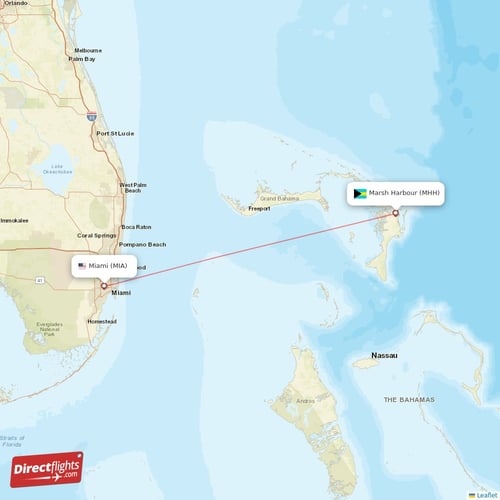
Calculating the Miles: Navigating the Map to Miami
Geography plays a significant role in how visitors perceive their journey. For those traveling from within the United States, the distance is often measured in highway miles and scenic pit stops. For international travelers, the journey is defined by flight paths across the Atlantic Ocean or the Caribbean Sea.
Driving Distances and Major Arteries
If you are starting your journey from the Northeast, such as New York City, you are looking at a drive of approximately 1,280 miles. Taking Interstate 95 is the most direct route, turning the trip into a multi-day road trip that allows travelers to experience the changing landscapes of the eastern seaboard.
From neighboring states like Georgia, specifically Atlanta, the distance drops to roughly 660 miles—a manageable day’s drive for the dedicated traveler. Those coming from the Midwest, such as Chicago, must prepare for a haul of nearly 1,400 miles. Each mile covered brings you closer to the humid, sea-salted air that defines the Sunshine State.
Flight Paths and Air Travel Logistics
For the majority of visitors, the “distance” to Miami International Airport is measured in hours spent at cruising altitude. From major European capitals like London, the distance is roughly 4,400 miles, translating to a non-stop flight of about nine hours. From South America, such as Bogota or Sao Paulo, Miami serves as the primary gateway, making these cities surprisingly “close” in terms of flight connectivity despite the physical distance of several thousand miles.
The Regional Perspective: Proximity and Connectivity
The distance to Miami is not just about the miles; it is about the accessibility of the region. As the unofficial capital of the Americas, the city’s strategic location makes it a nexus for travel across the Western Hemisphere.

Short-Haul Travel from Florida Cities
Residents living in nearby Florida hubs often view the trip to Miami as a quick weekend getaway. From Orlando, the drive is approximately 235 miles, or a brisk four-hour trek down the Florida Turnpike. Even closer are the coastal gems like Fort Lauderdale and West Palm Beach, which are essentially part of the greater metropolitan sprawl, making the distance feel negligible—often just a thirty-minute commute for those working or playing in the city center.
The Maritime Connection
Historically, Miami has functioned as a port city. The distance is frequently measured by nautical miles for those arriving via cruise ship. Ships departing from the Bahamas or Nassau are a mere 180 miles away. This short distance has cemented the city’s reputation as the “Cruise Capital of the World,” where the journey across the Straits of Florida is a routine part of the travel experience for thousands of vacationers weekly.
Planning Your Journey Based on Distance
Knowing how far you are from your destination allows for better logistical planning. Whether your journey takes you across continents or just across the county line, the strategy for arriving in style remains the same.
The Road Trip Strategy
For those driving over 500 miles, it is essential to factor in rest stops in cities like Savannah or Jacksonville. These stops not only break up the monotony of the highway but allow you to acclimate to the southern climate. As you travel further south, the scenery shifts from deciduous forests to the lush, subtropical flora of South Florida. By the time you reach the Everglades, you know you are within striking distance of the Miami skyline.
Maximizing Efficiency for Long-Haul Travelers
For international visitors, the perceived distance to Miami can be mitigated by choosing the right flight times and entry points. Because the Miami International Airport is centrally located, once you land, you are only a short taxi or ride-share away from iconic neighborhoods like South Beach or Brickell. Reducing the “last mile” stress is crucial, especially after a long journey spanning thousands of miles. Utilizing the local Metrorail or Brightline train service can help bridge the final gap between the airport and your final destination without the hassle of navigating traffic on the Palmetto Expressway.

The Cultural Reward at the End of the Miles
Regardless of the distance traveled, the reward upon arrival remains consistent. The aesthetic shift as you enter Miami-Dade County is palpable. The Art Deco architecture of Ocean Drive, the mural-clad walls of Wynwood, and the serene, turquoise waters of Biscayne Bay serve as the ultimate payoff for your journey.
Whether you are traveling for business, leisure, or a mix of both, the distance to Miami is a subjective metric. To a local, it is just around the corner; to a traveler from Europe or Asia, it is a major expedition. Yet, once you step onto the warm sands of Crandon Park or walk the vibrant streets of Little Havana, the miles fall away. The question of “how far” becomes irrelevant, replaced by the immediate, sensory experience of one of the world’s most dynamic travel destinations. The journey is never just about reaching a coordinate on a map; it is about arriving at a place where the world meets, mingles, and celebrates under the Florida sun.
LifeOutOfTheBox is a participant in the Amazon Services LLC Associates Program, an affiliate advertising program designed to provide a means for sites to earn advertising fees by advertising and linking to Amazon.com. Amazon, the Amazon logo, AmazonSupply, and the AmazonSupply logo are trademarks of Amazon.com, Inc. or its affiliates. As an Amazon Associate we earn affiliate commissions from qualifying purchases.