
Planning a trip to the breathtaking archipelago of Hawaii is a dream for many, but the logistical reality often begins with a single, daunting question: what is the actual cost of getting there? Airfare to these isolated islands is rarely a flat rate. It is a fluctuating variable shaped by seasons, departure points, airline competition, and the level of flexibility you bring to your travel planning. Understanding the mechanics of pricing is the first step toward securing a seat on a flight to the Pacific.
The Variables of Seasonal Pricing
The cost of a ticket to Honolulu or Maui is almost entirely dictated by the calendar. Because Hawaii remains one of the most desirable vacation spots on the planet, airlines capitalize on peak demand cycles.
Understanding Peak Travel Windows
Peak season refers to the periods when families and travelers congregate in the islands, typically coinciding with school holidays. If you are looking to fly during the weeks surrounding Christmas and New Year’s, or during the height of summer in July and August, you should expect to pay a premium. During these times, seat inventory diminishes quickly, and airlines have no incentive to offer promotional fares. Prices can easily soar to double or triple their off-peak rates, making advanced booking essential.
Navigating the Off-Season
Conversely, the “shoulder” seasons—generally late spring (April to early June) and the late autumn months (September to early November)—offer the best balance between decent weather and lower airfare. Because the demand is softer during these months, carriers often lower their prices to ensure planes are full. For the budget-conscious traveler, these windows are the absolute best time to hunt for deals.
Geographical Factors and Departure Hubs
Where you depart from significantly alters the price tag of your ticket. Geography is destiny in the aviation world, and the distance between your home airport and the central hub of Oahu dictates the baseline cost.
West Coast Advantages
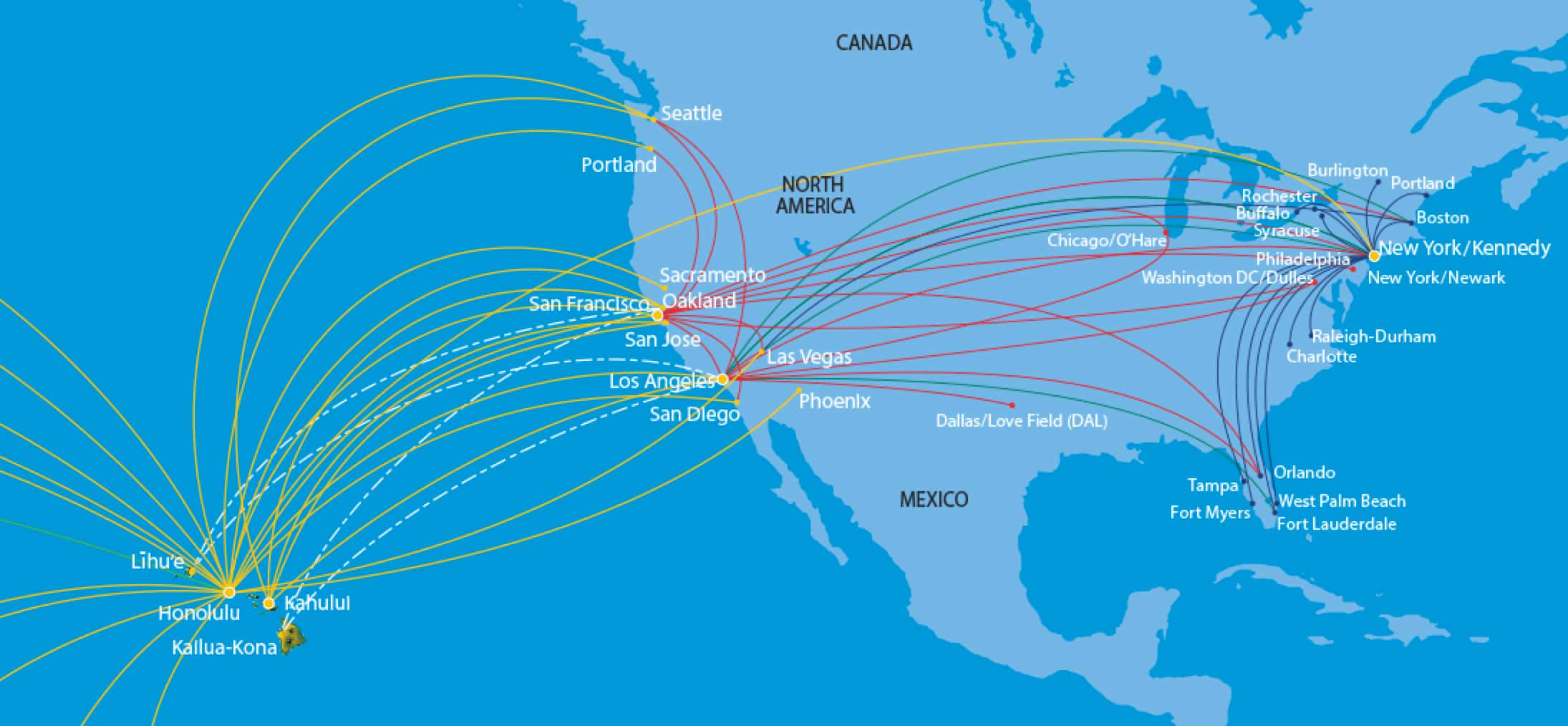
Travelers departing from major West Coast hubs like Los Angeles, San Francisco, or Seattle generally enjoy lower ticket prices. This is due to several factors: shorter flight times, higher frequency of direct flights, and intense competition among major carriers. When multiple airlines fight for market share on a specific route, ticket prices remain suppressed.
The Challenge of the East Coast
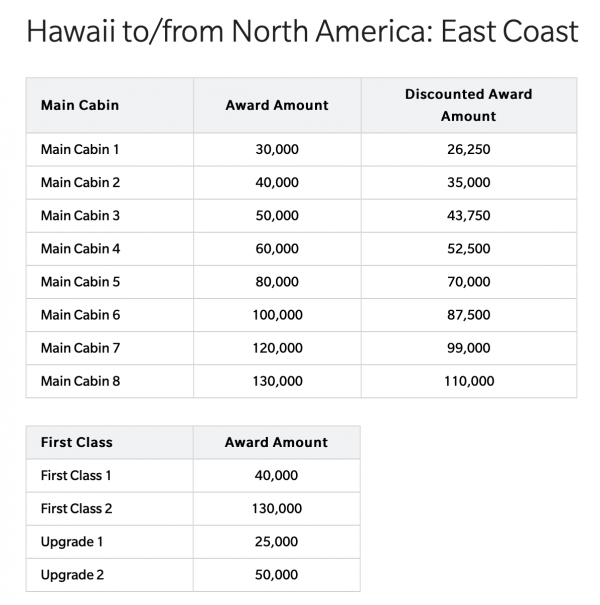
If you are flying from New York or other East Coast cities, the ticket price will naturally be higher. Not only is the distance vastly greater, but you are also more likely to require a connection, which complicates the pricing structure. In these cases, it often pays to look for “hub-to-hub” routes where you can catch a long-haul flight out of a major airport to minimize total costs.
Strategies for Securing Lower Fares
Securing an affordable ticket is less about luck and more about disciplined research and strategic timing. The modern landscape of travel booking has shifted, and those who know how to navigate it can save hundreds of dollars.
The Art of Price Tracking
Never book the first price you see. Utilizing digital tools to track fare fluctuations over several weeks is the gold standard for savvy travelers. Set up price alerts on your preferred travel aggregators. By observing the trends, you will gain an intuitive sense of what constitutes a “good deal” from your specific city, allowing you to strike the moment the price dips.
Flexibility and Secondary Airports
Rigidity is the enemy of budget travel. If you are determined to fly on a specific Saturday morning, you are at the mercy of the airline’s pricing algorithms. By shifting your departure or return dates by just two or three days, you can often save significant amounts of money. Furthermore, consider which island you are visiting. While Kahului Airport is the primary gateway to Maui, checking fares to Kona or Hilo on the Big Island might reveal surprising discrepancies that make a domestic hop worth the effort.
Booking Windows
There is a sweet spot for booking international and long-haul domestic flights. Historically, booking between one to three months in advance provides the best intersection of availability and price. Booking too late leads to “last-minute anxiety” pricing, where business travelers and those with no other choice are charged a massive premium. Conversely, booking six months out is not always cheaper, as airlines may not have finalized their capacity or inventory strategies for that date.
Ancillary Costs and Hidden Fees
When calculating the cost of your ticket, remember that the initial quote is rarely the final cost of transportation. Budget airlines have mastered the art of “unbundling,” where the base fare is low, but every essential service is an add-on.
Baggage and Seat Selection
If you are planning an extended stay in Kauai or Molokai, you will likely have checked luggage. Always factor in the cost of baggage fees when comparing prices between a full-service carrier and a budget airline. A budget fare might look attractive, but once you add a checked bag, a carry-on, and seat selection fees, it can easily surpass the price of a standard airline ticket that includes these amenities.
In-Flight Considerations
For a flight spanning several thousand miles, comfort is a commodity. Evaluate whether the cost of a “Basic Economy” ticket is truly worth the loss of amenities. Some travelers find that the stress and physical toll of a long-haul flight in a restrictive seat are not worth the fifty-dollar savings. Look at the total value of the travel experience, rather than just the lowest numerical digit.

Final Preparations for Departure
Ultimately, the cost of flying to Hawaii is an investment in an experience that few other destinations can rival. From the volcanic landscapes of Volcanoes National Park to the historic serenity of Pearl Harbor, the islands offer a wealth of memories that justify the price of admission.
By prioritizing flexibility, tracking price trends, and understanding the seasonal rhythms of the Pacific, you can effectively manage the cost of your travel. Remember that the goal is to reach your destination with your budget intact so that you can fully enjoy the luxury, adventure, and culture that await you upon arrival. Whether you are seeking a peaceful retreat in a secluded resort or an action-packed journey across the islands, your trip begins with a smart, well-researched booking that sets the tone for your entire vacation. Keep your eyes on the horizon, your alerts active, and your travel dates fluid, and you will find the path to the islands is well within reach.
LifeOutOfTheBox is a participant in the Amazon Services LLC Associates Program, an affiliate advertising program designed to provide a means for sites to earn advertising fees by advertising and linking to Amazon.com. Amazon, the Amazon logo, AmazonSupply, and the AmazonSupply logo are trademarks of Amazon.com, Inc. or its affiliates. As an Amazon Associate we earn affiliate commissions from qualifying purchases.