
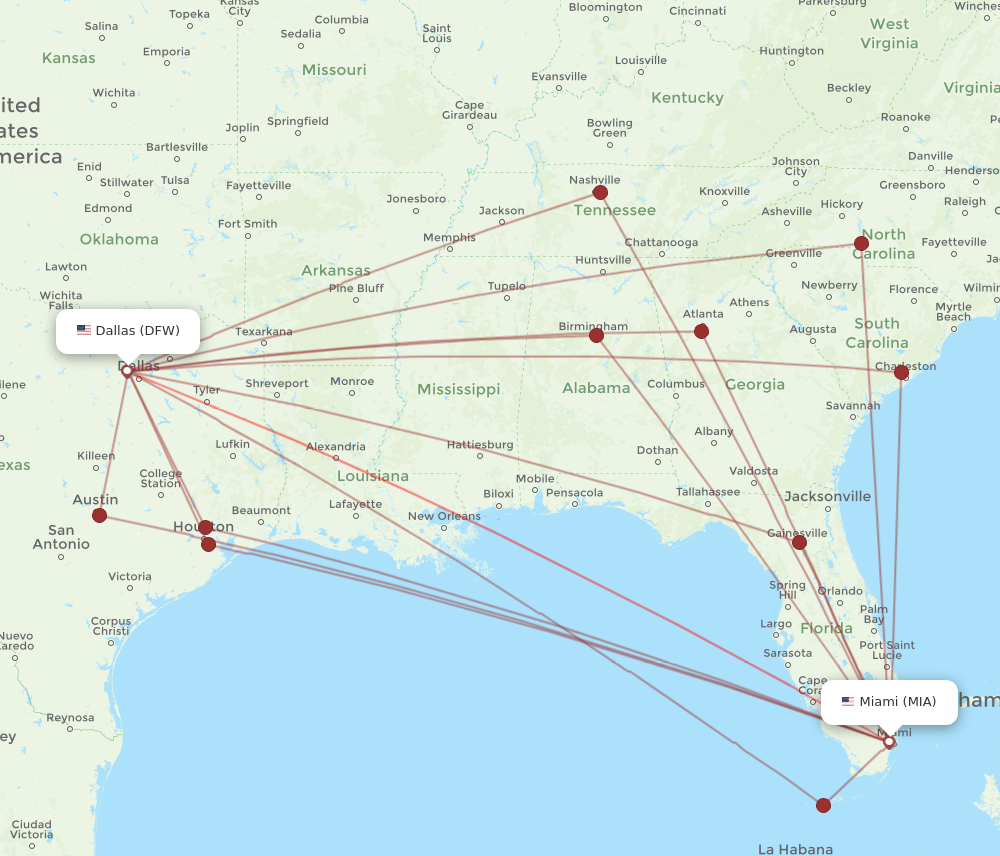
Planning a trip between Miami and Dallas is a common endeavor for both business professionals and leisure travelers looking to bridge the gap between the vibrant coast of Florida and the expansive spirit of Texas. Understanding the logistics of your air travel is the first step in ensuring a seamless journey. While the distance might seem significant across the southern United States, modern aviation makes the trek remarkably efficient.
Average Flight Duration and What to Expect
When booking a nonstop flight from Miami International Airport to Dallas Love Field or Dallas Fort Worth International Airport, travelers can generally expect a flight time of approximately 2 hours and 45 minutes to 3 hours.

Factors Influencing In-Flight Time
While the mathematical distance between these two major hubs remains constant, several variables can influence the time spent in the air:
- Wind Patterns: The jet stream plays a significant role in flight duration. Heading west toward Texas, aircraft often face headwinds that can slightly extend the duration compared to the return leg heading east toward Florida.
- Air Traffic Control: Both Miami and Dallas are home to some of the busiest airports in the country. During peak travel times, flights may experience ground delays or extended “taxi-to-gate” times, which are often factored into the total “gate-to-gate” time published by airlines.
- Aircraft Type: Regional jets and larger narrow-body aircraft have different cruising speeds, though the variation for this specific route is typically negligible, usually only a matter of five to ten minutes.
Gate-to-Gate vs. Airborne Time
It is important for travelers to distinguish between the time the aircraft is actually in the sky and the total travel time listed on their itinerary. A flight listed as 3 hours and 15 minutes may only spend 2 hours and 40 minutes in the air. The remainder covers the taxi time, which can be significant at massive hubs like Dallas Fort Worth International Airport.
Choosing the Right Airport in Dallas
Dallas serves travelers through two primary gateways, and your choice of destination airport can influence your overall travel experience.
Dallas Fort Worth International Airport (DFW)
As one of the busiest and largest airports globally, DFW is a massive international hub. If you are connecting to a further destination or prefer the extensive lounge options and amenities associated with major international carriers, this is likely your best bet. It is centrally located between the cities of Dallas and Fort Worth, offering excellent connectivity to the greater North Texas region.

Dallas Love Field (DAL)
Dallas Love Field offers a different, often more intimate experience. It is located closer to downtown Dallas, making it a preferred choice for business travelers who want to minimize their commute time upon arrival. Since it serves as a primary hub for Southwest Airlines, it is often the go-to for domestic travelers seeking efficiency and convenient scheduling.
Optimizing Your Travel Strategy
To make the most of your trip from the Sunshine State to the Lone Star State, consider these strategic tips for a smoother experience.
Timing Your Departure
Early morning flights are statistically more likely to arrive on time. As the day progresses, the ripple effect of air traffic delays in other parts of the country can accumulate. If you have an important meeting or an event in Dallas, aiming for the earliest departure from Miami International Airport significantly reduces your risk of unexpected schedule disruptions.
Managing Connectivity
Modern aviation has made being productive at 30,000 feet easier than ever. Most major carriers flying the Miami to Dallas route now offer in-flight Wi-Fi, allowing you to catch up on emails or stream entertainment during the three-hour block. If you are flying for leisure, use this time to map out your itinerary, whether you are planning to visit the Sixth Floor Museum or explore the vibrant Deep Ellum district.
The Return Journey Considerations
Remember that while the flight duration is similar, the flow of your return trip to Miami may feel different. Miami International Airport is a major gateway to the Caribbean and South America, so customs and international arrivals can sometimes impact taxiways and runway availability. Always leave ample time for your departure, especially if you are traveling during peak holiday seasons or major regional events.
Why This Route Matters
The connection between Miami and Dallas is more than just a flight path; it is a vital artery for business and culture. Miami serves as a financial and creative hub of South Florida, while Dallas represents the industrial and corporate heart of Texas.
The roughly three-hour flight duration is considered a “sweet spot” in aviation—it is long enough to settle in and get some work done or enjoy a movie, but short enough that it doesn’t leave you feeling exhausted upon arrival. By choosing your airline, airport, and time of day wisely, you can turn what is a routine transit into a stress-free transition.
Whether you are heading to Texas to visit the iconic Reunion Tower or flying back to the beautiful South Beach in Miami, understanding the nuances of your flight duration allows you to better manage your expectations and focus on the purpose of your journey. Keep these insights in mind as you plan your next trip, and you will find that the time spent in the air becomes one of the most predictable and manageable parts of your entire travel experience.
LifeOutOfTheBox is a participant in the Amazon Services LLC Associates Program, an affiliate advertising program designed to provide a means for sites to earn advertising fees by advertising and linking to Amazon.com. Amazon, the Amazon logo, AmazonSupply, and the AmazonSupply logo are trademarks of Amazon.com, Inc. or its affiliates. As an Amazon Associate we earn affiliate commissions from qualifying purchases.