
When planning a trip to the southernmost point of the United States, the romantic image of cruising down the Overseas Highway with the windows down often leads travelers to assume that a rental car is a necessity. However, Key West is a unique destination that defies the conventional wisdom of road-trip travel. While the drive from Miami through the Florida Keys is undeniably scenic, once you arrive on the island, the utility of a four-wheeled vehicle drops precipitously. In fact, for most visitors, a car becomes more of an anchor than an asset.
The Geography of Key West: Why Small is Beautiful
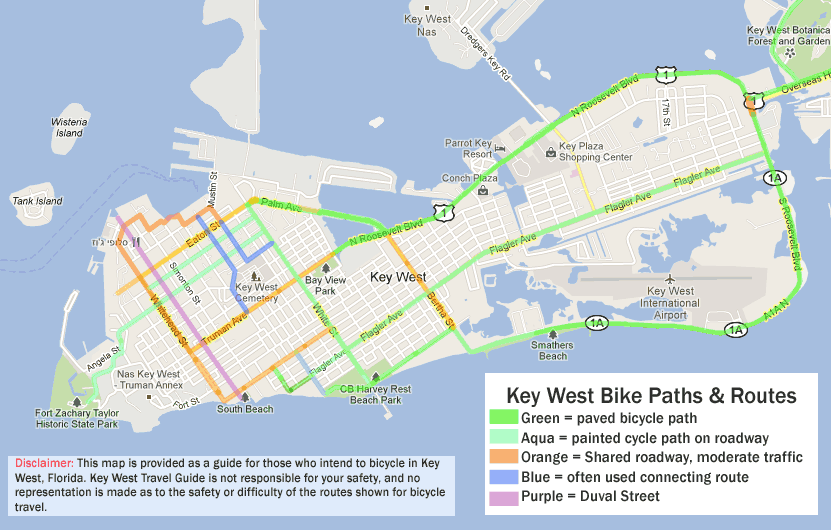
The primary reason you do not need a car in Key West is the island’s scale. Spanning roughly four miles long and two miles wide, the city is geographically compact. The historic district, where the vast majority of tourists spend their time, is almost entirely walkable.
The Walkability Factor
Navigating Old Town on foot is not just a logistical choice; it is the best way to soak in the atmosphere. The narrow, tree-lined streets are often congested with traffic, and parking is notoriously difficult and expensive. By walking, you gain access to the hidden gems—the secluded Hemingway Home and Museum gardens, the quiet residential lanes adorned with bougainvillea, and the charming local cafes that cars simply bypass.
The Hidden Costs of Parking
If you do choose to bring a vehicle, you will quickly discover that Key West is not built for parking. Public parking lots are limited, and street parking in the tourist core is strictly regulated, often requiring payment through apps or kiosks that can quickly drain your vacation budget. Most hotels in the area charge exorbitant daily valet fees, often exceeding $30 or $40 per night. When you factor in the cost of the rental itself, the gas, and the parking fees, the financial argument against bringing a car becomes overwhelming.
Alternatives to Traditional Driving
If you want to venture beyond the immediate vicinity of your hotel or if you have mobility concerns, there are much more efficient ways to traverse the island than a standard sedan or SUV. These modes of transport are not just practical; they are part of the quintessential island experience.
Renting a Bicycle or Electric Bike
The most popular way to explore Key West is by bicycle. The island is entirely flat, making it accessible for cyclists of all fitness levels. Numerous rental shops offer daily or weekly rates, allowing you to zip from Duval Street to the Key West Butterfly and Nature Conservatory in minutes without worrying about a parking space. Bicycles offer a level of spontaneity that cars cannot match, allowing you to pull over at a moment’s notice to photograph the Southernmost Point Buoy or grab a slice of key lime pie.

The Low-Speed Vehicle (LSV)
Electric golf carts or Low-Speed Vehicles (LSVs) are a staple of Florida island life. While they take up more space than a bicycle, they are permitted to park in designated spaces that a full-sized car would struggle to occupy. Many visitors prefer these for their open-air design, which allows for the salty breeze to flow through as you navigate toward the Key West Historic Seaport.
Ridesharing and Shuttles
For those arriving via Key West International Airport, a car is strictly unnecessary. Most high-end resorts, such as The Reach Key West or Casa Marina Key West, offer complimentary or affordable shuttle services to and from the airport. Once you are checked in, services like Uber and Lyft are incredibly reliable on the island. For short hops—such as returning to your hotel after a late night at Sloppy Joes Bar—these services are both economical and convenient.
When Should You Consider a Car?
While the general rule of thumb is to avoid a car, there are specific travel styles where a vehicle might be warranted. Understanding these exceptions will help you decide if you are an outlier.
The Multi-Island Road Trip
If your vacation is not limited to the city of Key West but involves exploring the entire Florida Keys archipelago, a car is necessary. Destinations like Islamorada, Marathon, and Big Pine Key are spread out, and public transportation between these islands is infrequent and slow. If you plan to visit the John Pennekamp Coral Reef State Park or other attractions in the Upper Keys, you will need the flexibility of your own vehicle.
The “Stay-Outside-The-City” Strategy
Some travelers opt for accommodations further away from the bustling downtown area to save money or to seek tranquility. If you are staying on the outskirts of the island or in Stock Island, you may find that the distance to major landmarks like Mallory Square is too far to walk or bike consistently. In this case, a rental car or an extended golf cart rental can bridge the gap, though it is worth weighing the cost of the vehicle against the added price of staying in a more central location.

Final Verdict: Embracing the Island Rhythm
The ethos of Key West is one of relaxation, “island time,” and leaving the stresses of the mainland behind. There is no better way to signal that you have shifted into this mindset than by abandoning the keys. Driving in Key West often involves getting stuck in gridlock, searching for elusive parking, and navigating narrow, one-way streets while tourists weave through traffic.
Instead, embrace the freedom of a bicycle or the simplicity of a leisurely stroll. By shedding the car, you save money, reduce your carbon footprint, and immerse yourself in the culture of a city that was designed for people, not engines. Whether you are wandering through Fort Zachary Taylor Historic State Park or heading to the harbor for a sunset cruise, you will find that the best experiences in Key West are found on the journey between points A and B, not in the time spent behind a steering wheel. Before booking that rental, ask yourself: do I want to navigate, or do I want to arrive? On this island, the answer is almost always the latter.
LifeOutOfTheBox is a participant in the Amazon Services LLC Associates Program, an affiliate advertising program designed to provide a means for sites to earn advertising fees by advertising and linking to Amazon.com. Amazon, the Amazon logo, AmazonSupply, and the AmazonSupply logo are trademarks of Amazon.com, Inc. or its affiliates. As an Amazon Associate we earn affiliate commissions from qualifying purchases.