
When planning a visit to Coral Gables, the architectural beauty and academic prestige of the University of Miami often capture the interest of travelers. Beyond its reputation for rigorous research and iconic athletics, the institution stands as a prominent landmark in the landscape of Florida. For those mapping out their itinerary through the United States, understanding the nature of such an institution provides deeper insight into the local culture and the development of the surrounding region.
The University of Miami is indeed a private, non-sectarian research university. Unlike many massive state institutions that serve as the backbone of public education, this university operates independently. This distinction influences everything from the aesthetic character of the campus to the way visitors experience its grounds. As a private entity, the institution has cultivated a unique atmosphere that reflects the vibrant, tropical energy of Miami, offering a distinct perspective on the intellectual life of the Sunshine State.

Understanding the Private Institution Landscape
The status of the University of Miami as a private institution is a defining characteristic of its history and its physical presence in Coral Gables. Unlike public universities that rely heavily on state legislative funding and policy, private universities are characterized by independent governance and private endowments. This operational model allows for a specialized approach to campus development, which often results in more cohesive architectural styles and curated landscapes that attract tourists interested in design and history.
The Evolution of Campus Architecture
The architecture found across the university grounds serves as a testament to its private identity. Travelers wandering through the campus will notice a commitment to the Mediterranean Revival style, a design language that mirrors the aesthetic history of Coral Gables. This intentional design is not merely for utility; it represents a commitment to maintaining an atmosphere of prestige and beauty. As you explore the grounds, the influence of figures like George Merrick, the visionary behind the city’s development, becomes evident. The university was integrated into the fabric of the community to ensure it functioned as a jewel in the crown of South Florida’s development.
Influence on Local Tourism
As a private institution, the university also plays a specific role in local tourism. Many visitors who come to explore Miami are drawn to the campus not just for academic curiosity, but for its proximity to iconic landmarks. The university acts as a gateway to understanding the local academic culture, which differs significantly from the experiences one might have at large state-run institutions like the University of Florida. For the curious traveler, this private status implies that the campus is managed with a focus on specific visitor experiences, including specialized tours, athletic events at the Hard Rock Stadium, and public engagement initiatives.
Cultural Impact and Academic Prestige
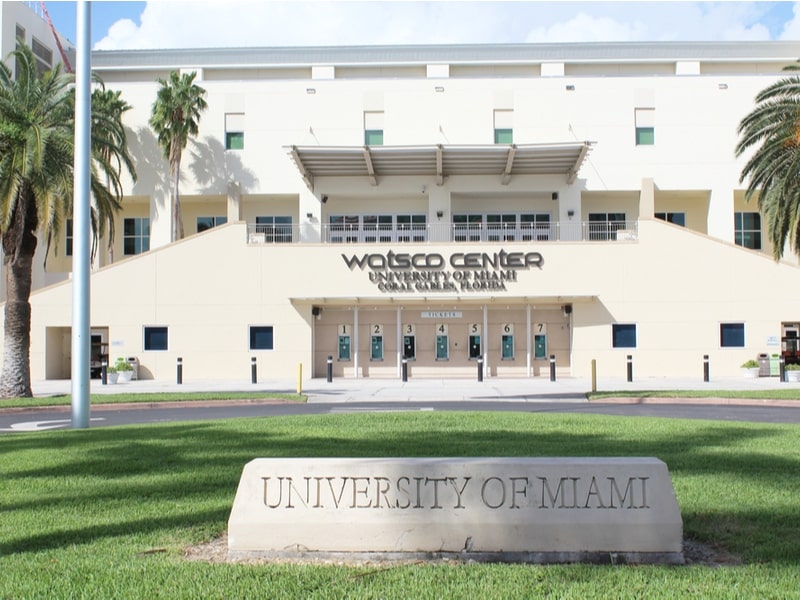
The private nature of the university has allowed it to craft a global reputation that attracts students and researchers from across the globe. This, in turn, influences the cultural demographic of Coral Gables and the broader Miami-Dade County area. The institution acts as a cultural hub, hosting international guests, art exhibits, and public lectures that are often accessible to the interested traveler.
A Hub for Global Exchange
Because the University of Miami is private, it holds the autonomy to foster international partnerships more readily than some public entities. This openness has resulted in a diverse campus population that contributes to the unique social flavor of the region. For a tourist, this means finding a surrounding neighborhood filled with authentic international cuisine, cosmopolitan bookshops, and a generally sophisticated atmosphere that stems from a high concentration of global talent.
The Role of Athletics and Public Events
One cannot discuss the university without mentioning its role in the cultural life of Miami. While the campus is private, the events surrounding the Miami Hurricanes are very much a public spectacle. The enthusiasm surrounding these athletic events bridges the gap between the private campus life and the public life of the city. For those visiting Florida, catching a game is often recommended as a primary way to understand the local obsession with community pride. The university’s ability to leverage its private status to build high-profile athletic programs has cemented its place as a cornerstone of the regional identity.
Navigating the Campus as a Visitor
When organizing a trip that includes the University of Miami, it is helpful to approach the campus as one would a major cultural landmark. While it remains a private institution with specific rules for access, it is generally welcoming to those who respect the academic environment and the beauty of its grounds.
Tips for Travelers
- Respect the Academic Calendar: Be mindful that during exam periods or specific academic events, certain parts of the campus may be restricted. Always check the official website before planning a visit to ensure that student spaces remain private and undisturbed.
- Explore the Surrounding Architecture: Since the university is located in Coral Gables, take the time to visit the Venetian Pool or the Biltmore Hotel. The private nature of the university complements these historical landmarks, creating a cohesive, upscale itinerary for any traveler.
- Utilize Public Transportation: Navigating the Miami area can be complex, but the university is well-connected. Utilizing the Metrorail is an excellent way to reach the campus, allowing you to avoid the challenges of parking while enjoying the scenic transition from the urban center to the lush, greener outskirts where the campus resides.
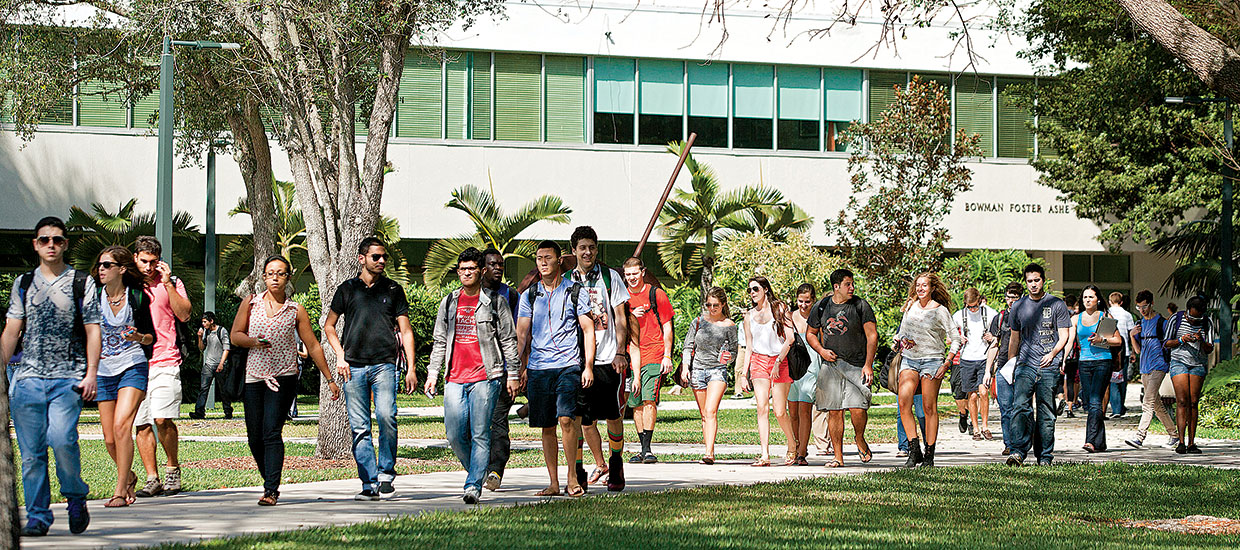
The Legacy of Private Education in the South
The University of Miami stands as a beacon of how private investment and visionary leadership can shape a region. By remaining independent, the institution has successfully curated an identity that is uniquely linked to its environment in South Florida. It serves as a reminder to tourists that the history of a city is often best told through its private, mission-driven institutions rather than just its state-run facilities.
Whether you are visiting for the architectural heritage, the proximity to the vibrant culture of Miami, or simply to explore the beautiful grounds that characterize private, high-end education, the University of Miami offers a compelling stop. It is more than just a place of learning; it is a vital contributor to the aesthetic and social fabric of Florida. As you plan your travels, remember that understanding the “private” status of this institution provides the key to unlocking the true essence of its place in the community. By engaging with the campus as a landmark of history and culture, you gain a richer, more nuanced understanding of why Coral Gables is considered one of the most intellectually and visually captivating destinations in the United States.
LifeOutOfTheBox is a participant in the Amazon Services LLC Associates Program, an affiliate advertising program designed to provide a means for sites to earn advertising fees by advertising and linking to Amazon.com. Amazon, the Amazon logo, AmazonSupply, and the AmazonSupply logo are trademarks of Amazon.com, Inc. or its affiliates. As an Amazon Associate we earn affiliate commissions from qualifying purchases.