
For the culinary traveler, few experiences in the United States rival the visceral pleasure of shucking a fresh, briny bivalve harvested from the nutrient-rich waters of the Gulf of Mexico. In Louisiana, the oyster is not merely an appetizer; it is a cultural cornerstone, a symbol of heritage, and a primary driver of the state’s world-renowned food scene. Whether you are wandering the vibrant streets of New Orleans or exploring the coastal bayous, understanding the seasonality of these delicacies is essential to planning the perfect gastronomic pilgrimage.
The Seasonal Myth and the “R” Month Rule
There is an enduring piece of folk wisdom—often repeated by seafood purists—that claims oysters should only be consumed during months containing the letter “R” (September through April). While this adage has historical roots, it is a relic of a time before modern refrigeration and advanced supply chain logistics.
Understanding the Life Cycle
In the sweltering heat of a Louisiana summer, oysters undergo a spawning process. During this reproductive cycle, the meat can become thinner and more translucent, which some culinary experts believe alters the texture. Furthermore, in the era prior to rapid ice transport, warmer waters posed a higher risk of spoilage.
Modern Refrigeration and Quality
Today, state-of-the-art harvesting techniques and strict safety regulations enforced by the Louisiana Department of Wildlife and Fisheries ensure that oysters harvested in the Gulf remain safe and delicious throughout the year. While the state does manage specific harvest seasons to ensure the sustainability of the oyster beds, the “R” month rule is no longer a strict health mandate. Instead, it serves as a nostalgic guideline for when these mollusks are at their absolute peak of fatness and flavor.
Navigating the Louisiana Oyster Season
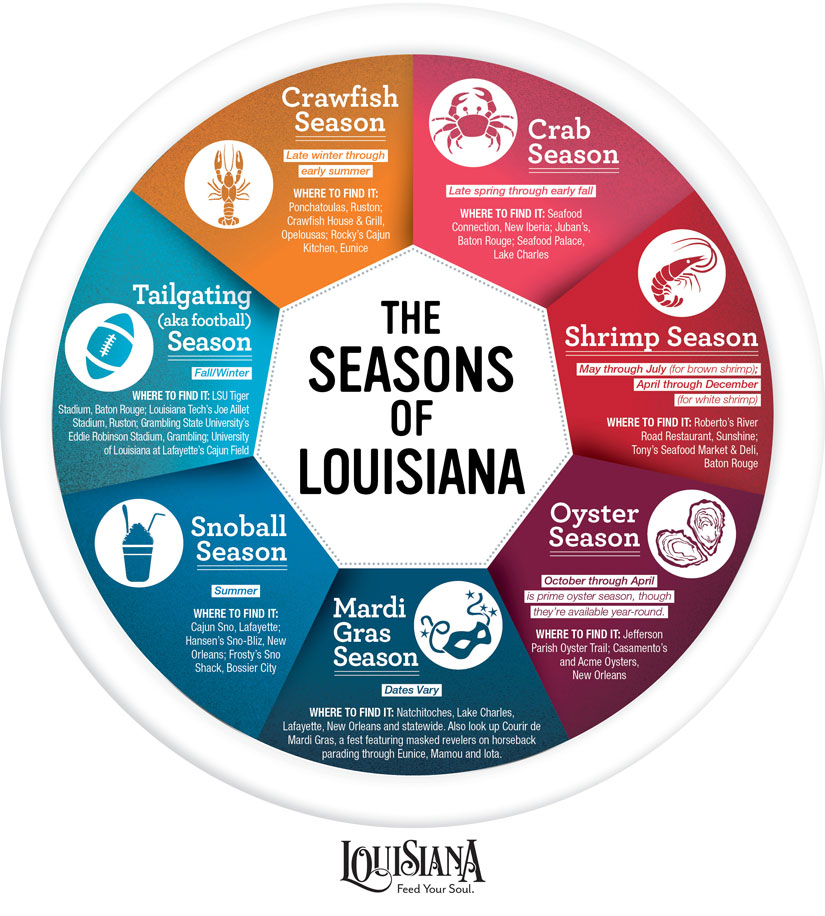
While you can technically enjoy oysters year-round due to the state’s robust aquaculture and carefully managed public and private reefs, the official harvest season is a complex dance between biology and industry regulations.
The Peak of the Season
The primary harvest season generally runs from September through the following spring. During these cooler months, the water temperatures in the bays and sounds drop, causing the oysters to store glycogen, which contributes to a fuller, creamier flavor profile. This is the time when the oyster bars in French Quarter and beyond truly come alive. Visitors seeking the quintessential experience—eating raw oysters on the half-shell with a squeeze of lemon and a dash of hot sauce—will find the quality reaches its zenith during the mid-winter months of January and February.

Sustainability and Closures
Louisiana manages its oyster beds with intense scrutiny. If environmental conditions, such as extreme salinity changes or storm-related sediment runoff, threaten the reefs, state officials may close specific zones to harvest. These closures are temporary and are designed to protect the long-term health of the ecosystem. For the traveler, this means that while the “season” is technically defined, local availability can shift. Always check local dining guides or ask your server about the source of the oysters to ensure you are enjoying the freshest possible product.
Where to Experience the Best Oysters
To truly appreciate the oyster culture of this region, one must venture to the places where the tradition is treated with reverence. The journey from the water to the plate is short, and the proximity to the source is what gives Louisiana oysters their distinct, salty finish.
Iconic Oyster Bars in New Orleans
The city of New Orleans offers a diverse array of venues to sample the harvest. From high-end dining rooms to gritty, salt-of-the-earth counters, the experience is varied. Establishments like Acme Oyster House or Casamentos Restaurant have become institutions. Each offers a different perspective on the bivalve—whether served ice-cold and raw, charbroiled with garlic butter and parmesan, or fried to golden perfection in a crispy po-boy.
Coastal Escapes and Hidden Gems
Beyond the city limits, a drive toward the coast in Jefferson Parish or St. Bernard Parish allows travelers to visit the actual dockside communities. Eating an oyster within sight of the boat that pulled it from the water is a transformative experience. These coastal towns offer a more intimate look at the trade, where the industry is not just a source of food, but a way of life that has sustained local families for generations.

Tips for the Culinary Traveler
For those planning a trip centered around this delicacy, there are several ways to enhance your experience and ensure you are getting the most authentic taste of the Gulf.
- Ask About the Origin: Oysters from different regions within the state—such as Lake Pontchartrain or Barataria Bay—offer slightly different salinity levels. Engaging your server or shucker in a conversation about the provenance of the catch can lead to a deeper appreciation of the nuances in flavor.
- Embrace Variety: Don’t settle for just one preparation. While raw is the standard for evaluating quality, Louisiana is famous for its cooked preparations. Oysters Rockefeller, Bienville, and grilled varieties showcase the versatility of the ingredient.
- Pairing Local Flavors: Pair your meal with local accompaniments. A crisp, cold beer from a Louisiana craft brewery or a classic cocktail like a Sazerac can cut through the richness of the oysters, cleansing the palate and preparing you for the next round.
- Respect the Seasonality: While you might find oysters in the dead of summer, try to time your visit between October and March. This window offers not only the best tasting oysters but also the most temperate weather for exploring the cities and landscapes of the Deep South.
Ultimately, the “oyster season” is more than a set of dates on a calendar; it is a celebration of the unique environment of Louisiana. By understanding when and where to enjoy these treasures, travelers can participate in a ritual that has defined the coastal culture of the Gulf Coast for centuries. Whether you find yourself in a historic institution or a humble roadside shack, you are participating in a culinary legacy that remains one of the greatest travel experiences in the nation. Pack your appetite, bring a sense of adventure, and prepare to discover why the Louisiana oyster is truly in a class of its own.
LifeOutOfTheBox is a participant in the Amazon Services LLC Associates Program, an affiliate advertising program designed to provide a means for sites to earn advertising fees by advertising and linking to Amazon.com. Amazon, the Amazon logo, AmazonSupply, and the AmazonSupply logo are trademarks of Amazon.com, Inc. or its affiliates. As an Amazon Associate we earn affiliate commissions from qualifying purchases.