
When travelers and newcomers begin planning their visit or relocation to the vibrant shores of South Florida, one of the most common questions revolves around the regional geography. Specifically, many wonder: what is the county for Miami? The answer is Miami-Dade County, a massive, culturally diverse administrative division that serves as the heart of the region’s tourism, economy, and unique local identity. Understanding the reach of this county is essential for anyone looking to navigate the sprawling metropolitan area that stretches from the Everglades to the turquoise waters of the Atlantic Ocean.
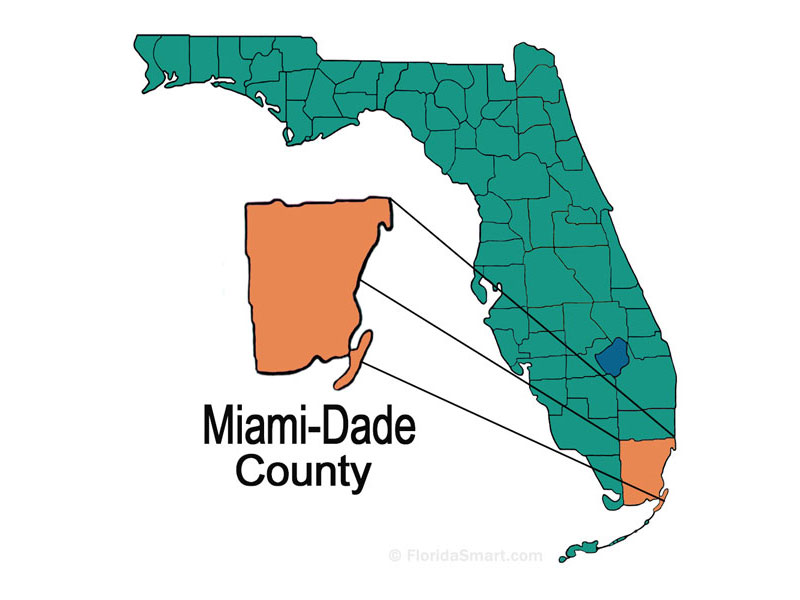
Navigating the Geography of Miami-Dade County
Miami-Dade County is not merely a political boundary; it is a tapestry of distinct neighborhoods, coastal cities, and protected natural reserves. As the most populous county in Florida, it acts as the primary hub for the entire southern portion of the state.
The Urban Core and Surrounding Municipalities
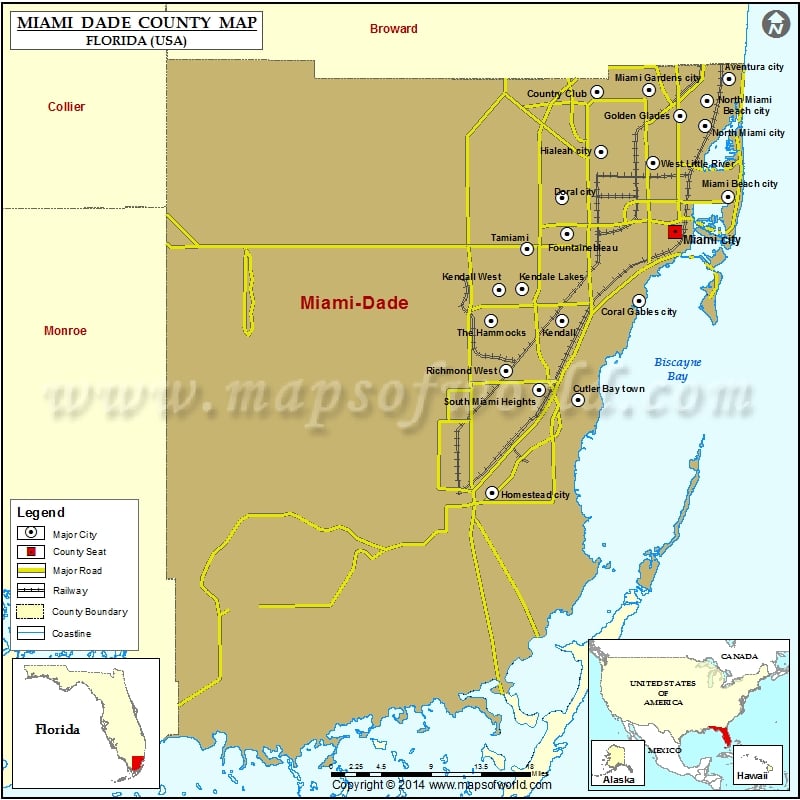
While the city of Miami serves as the namesake and central anchor, the county itself encompasses 34 incorporated municipalities. Travelers often find themselves moving seamlessly between these areas without realizing they have crossed city limits. For instance, the world-famous Miami Beach is its own city, distinct from the city of Miami, yet both reside firmly within the jurisdiction of Miami-Dade County.
Other notable areas within this vast region include Coral Gables, known for its Mediterranean Revival architecture and the historic Biltmore Hotel, and Coconut Grove, which offers a lush, bohemian atmosphere. Understanding that these neighborhoods are part of a larger county structure helps visitors plan their transport and excursions more effectively, as the county provides the unified infrastructure that connects these diverse zones.
Natural Borders and Biodiversity
The geographic footprint of the county is equally impressive. To the west, the county yields to the Everglades National Park, one of the most significant ecological preserves in the United States. This proximity highlights the unique duality of the region: residents and tourists can experience high-energy urban nightlife in Downtown Miami on a Saturday and venture into the untamed, subtropical wilderness of the Everglades on a Sunday. This combination makes the region a premier destination for those who enjoy both coastal relaxation and rugged outdoor exploration.
Cultural Significance and Local Life
Beyond its administrative role, the county acts as a melting pot of cultures that defines the “Miami experience.” The influence of Latin America and the Caribbean is pervasive, shaping everything from the culinary landscape to the linguistic rhythm of the streets.

A Culinary Journey Through the County
The food scene in Miami-Dade County is a reflection of its demographic makeup. In Little Havana, travelers can immerse themselves in the rich history of the Cuban diaspora. Walking along Calle Ocho, the air is filled with the scent of strong espresso and freshly pressed sandwiches.
Further south in the county, Homestead offers a completely different experience. As the agricultural heart of the region, this area provides access to fresh produce, u-pick farms, and the Fruit and Spice Park. This diversity in dining options—ranging from high-end, award-winning establishments in Brickell to authentic street food stalls in Wynwood—ensures that every palate is satisfied.
Arts and Festivals: The County’s Creative Pulse
The county’s commitment to arts and culture is evident in its global reputation as a creative capital. Art Basel draws international crowds to the region, highlighting the importance of Miami-Dade County in the global art market. From the colorful street art in the Wynwood Walls to the performance art stages at the Adrienne Arsht Center, the local culture is defined by innovation and a bold, colorful aesthetic.
Practical Tips for Visiting the Region
For travelers aiming to make the most of their stay in Miami-Dade County, understanding the logistical layout of the region is the first step toward a seamless vacation.
Transportation and Mobility
Navigating a county this size requires a strategic approach. While Miami is a major city, the sprawl of the region means that having a rental car is often the most convenient way to move between distant hotspots like Key Biscayne and the Design District. However, for those staying centrally, the Metrorail and Metromover offer efficient ways to navigate the urban core without the hassle of parking.
Seasonal Considerations
Understanding when to visit is just as important as knowing where to go. The county enjoys a tropical climate, but it is also subject to the nuances of the hurricane season, which typically runs from June to November. Peak tourism usually aligns with the dry, mild winter months, when visitors from colder climates flock to South Beach to escape the snow.
During the warmer months, the local lifestyle shifts toward water-based activities. Boating trips to Biscayne National Park or swimming at Crandon Park provide much-needed respite from the humidity. Regardless of the season, the local authorities work diligently to maintain the tourism infrastructure, ensuring that beaches, parks, and major landmarks remain welcoming and accessible.
Why Regional Identity Matters
Defining the county boundaries helps tourists understand that they are part of a larger ecosystem. Whether you are browsing the luxury boutiques at Bal Harbour Shops or exploring the historic Vizcaya Museum and Gardens, you are experiencing the various facets of Miami-Dade County. It is this combination of world-class urban development, protected environmental treasures, and a deeply entrenched cultural history that solidifies its status as one of the most exciting regions in the United States.
By recognizing the scope of the county, travelers can better appreciate the depth of their trip. It allows for a more comprehensive itinerary that reaches beyond the typical tourist traps and into the genuine spirit of the Sunshine State. From the bustling ports of the Port of Miami to the quiet, leafy streets of suburban Pinecrest, the county holds a variety of experiences waiting to be discovered, making it a destination that warrants return visits to fully uncover everything it has to offer.
LifeOutOfTheBox is a participant in the Amazon Services LLC Associates Program, an affiliate advertising program designed to provide a means for sites to earn advertising fees by advertising and linking to Amazon.com. Amazon, the Amazon logo, AmazonSupply, and the AmazonSupply logo are trademarks of Amazon.com, Inc. or its affiliates. As an Amazon Associate we earn affiliate commissions from qualifying purchases.