
When food enthusiasts gather to discuss the pantheon of great American culinary traditions, the conversation invariably turns to beef. Among the most revered cuts is a legendary steak that commands respect on menus from upscale steakhouses in New York City to rustic grills across the American Midwest. Understanding this cut requires more than just looking at a piece of meat on a plate; it demands an appreciation of butchery history, cattle raising, and the art of fire-cooking that defines the rich gastronomy of Kansas City.
The Anatomy of the Cut
To truly understand what makes this steak unique, one must examine its physical characteristics and where it comes from on the steer.
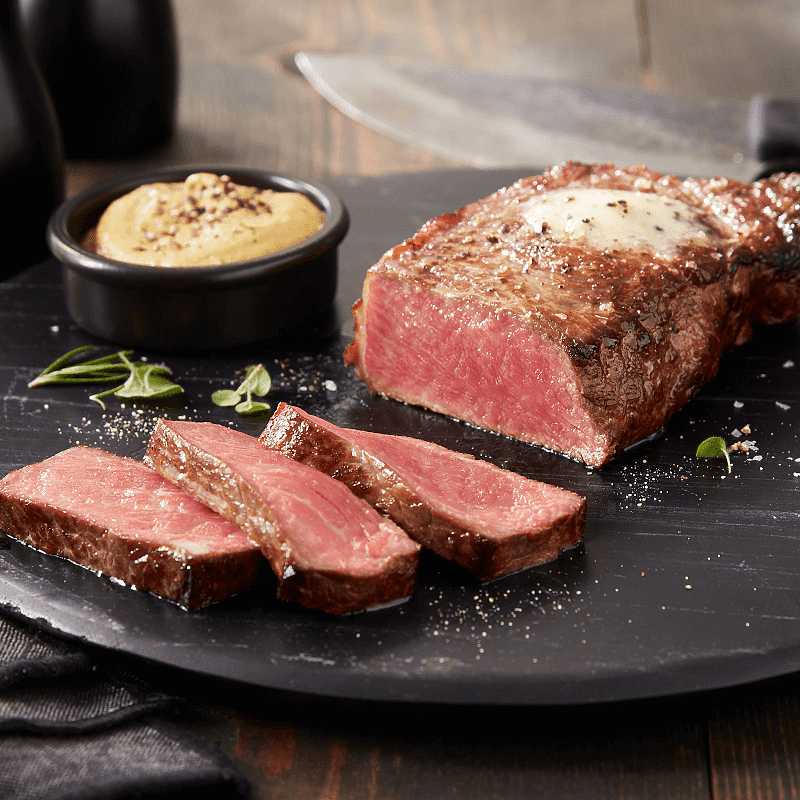
Bone-In Perfection
At its core, this iconic cut is a bone-in strip steak. Sourced from the short loin of the steer—a muscle that does very little work during the animal’s life—the meat is naturally tender and boasts a fine texture. What sets this specific preparation apart from a standard New York strip is the inclusion of the portion of the bone.
- The Strip Loin: Provides the bulk of the meat, characterized by robust beef flavor and a firm, satisfying bite.
- The Tail: A tapering end that often gets delightfully crispy during the cooking process.
- The Bone: A curved piece of the chine or rib bone that imparts deeper flavor during the searing process and helps insulate the meat, keeping it juicy.
The Kansas City Strip vs. The New York Strip
A common culinary debate centers on the difference between the Kansas City version and the New York strip. Geographically and historically, they are closely related, but the defining physical attribute is the bone. While a traditional New York strip is typically served completely boneless, the traditional version from Missouri retains the bone. Purists argue that cooking meat on the bone enhances moisture retention and infuses the surrounding tissue with rich, savory undertones that boneless cuts simply cannot replicate.
Historical Roots in the Heartland
The story of this legendary cut is deeply intertwined with the history of the American livestock industry and the rise of the Midwest as a global hub for meat processing.
The Stockyards Era
In the late 19th and early 20th centuries, Kansas City established itself as a monumental shipping and processing nexus. Cattle driven or railed in from the vast plains of Kansas, Texas, and Oklahoma arrived at the massive Kansas City Stockyards. For decades, this sprawling complex was second only to Chicago in terms of livestock volume, transforming the local economy and establishing a distinct culinary culture centered around premium beef.
Innovation in Butchery
Local butchers and packing houses developed specialized techniques for breaking down beef primals. They realized that the short loin produced exceptional cuts when aged properly and trimmed with a generous fat cap. As travelers passed through the region via major rail lines, dining at legendary local establishments like the Golden Ox or visiting upscale dining rooms across Jackson County, word spread about the exceptional quality, rich marbling, and distinctive presentation of the local strip steaks.
Characteristics of Flavor and Texture
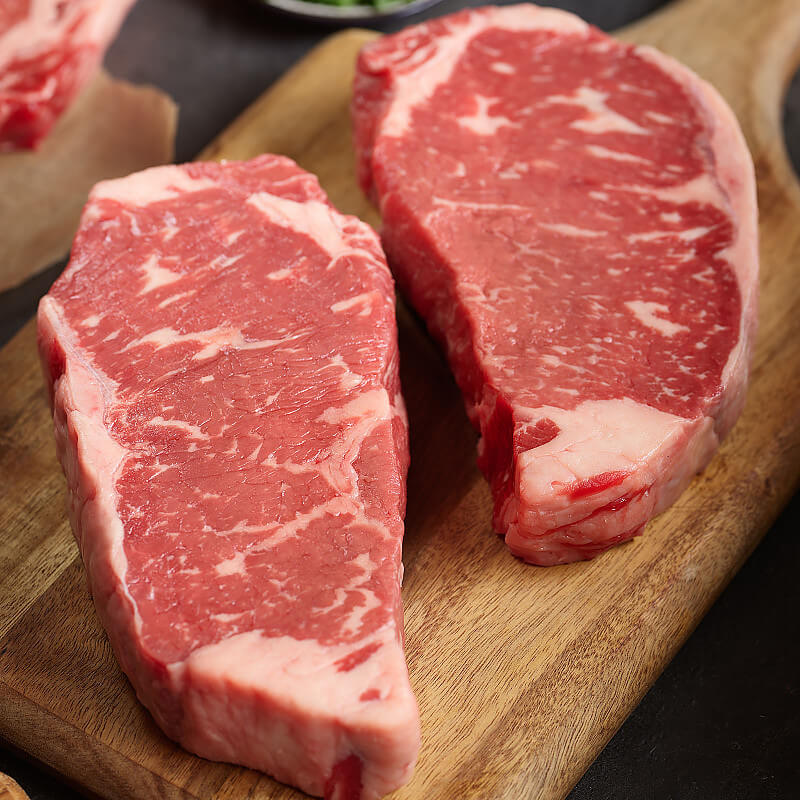
A great steak is defined by a delicate balance of tenderness, juiciness, and intense beef flavor. The cut delivers on all three fronts through specific biological and culinary factors.
Marbling and Fat Cap
Marbling refers to the flecks and webs of intramuscular fat distributed throughout the muscle. This fat is the primary vehicle for beef flavor. The strip section naturally possesses a generous amount of marbling, which melts during the cooking process to baste the meat from the inside out. Furthermore, a thick external fat cap left intact during cooking protects the interior meat from drying out while rendering down into a crisp, savory crust when exposed to high heat.
The Role of Aging
To maximize the potential of the cut, many purveyors employ wet-aging or dry-aging techniques. Dry-aging, in particular, allows moisture to evaporate from the muscle, concentrating the natural beef flavor while natural enzymes break down connective tissue, resulting in a remarkably tender bite with earthy, nutty undertones.
Preparing and Cooking the Masterpiece
Cooking a premium bone-in strip requires respect for the ingredient and an understanding of heat management. Whether preparing the meal in a home kitchen or experiencing it at a premier dining destination like Plaza III The Steakhouse on the Country Club Plaza, certain principles remain universal.
The Ideal Cooking Techniques
Because of the bone and the thickness of a properly cut steak—often ranging from one and a half to two inches thick—standard pan-frying or quick grilling over direct heat can leave the exterior burnt before the center reaches the desired temperature.
- High-Heat Searing: Creating a flavorful crust (often referred to as the Maillard reaction) requires intense heat from a cast-iron skillet or a charcoal grill.
- The Reverse Sear Method: For thick cuts, smoking or baking the meat at a low temperature first, followed by a blazing-hot sear at the end, ensures edge-to-edge pink perfection.
- Basting: Adding butter, garlic cloves, and fresh herbs like rosemary or thyme toward the end of the cooking process elevates the richness of the fat cap.
Seasoning Simplicity
Master grill masters in the Midwest generally keep seasonings simple to let the natural flavor of the beef shine. A generous application of coarse Kosher salt and freshly cracked black pepper just before cooking is often all that is required. Some chefs incorporate a dusting of garlic powder or onion powder, but heavy marinades are typically avoided so as not to mask the distinct taste of the aged beef.

Pairing and Presentation
A steak of this magnitude deserves thoughtful accompaniment. The robust, beef-forward profile pairs exceptionally well with bold, structured red wines such as Cabernet Sauvignon, Malbec, or a spicy Zinfandel.
On the plate, traditional accompaniments highlight the richness of the meat without overwhelming it. Baked potatoes loaded with butter, sour cream, and chives, seasonal roasted asparagus, or crisp wedge salads with blue cheese dressing remain timeless classics. For those dining out in Missouri’s largest metropolitan hub, pairing the meal with a side of burnt ends or locally brewed craft beer from Boulevard Brewing Company rounds out an authentic regional dining experience.
Ultimately, this iconic cut is far more than just a piece of beef. It is a testament to the culinary heritage of the American heartland, a celebration of expert butchery, and a perennial favorite for anyone who appreciates the art of a perfectly cooked steak.
LifeOutOfTheBox is a participant in the Amazon Services LLC Associates Program, an affiliate advertising program designed to provide a means for sites to earn advertising fees by advertising and linking to Amazon.com. Amazon, the Amazon logo, AmazonSupply, and the AmazonSupply logo are trademarks of Amazon.com, Inc. or its affiliates. As an Amazon Associate we earn affiliate commissions from qualifying purchases.