
When planning a getaway to the vibrant shores of Miami, the first question on every traveler’s mind is invariably about the weather. As a premier destination in Florida, this coastal metropolis is defined by its tropical climate, which dictates the rhythm of daily life, the best times for outdoor excursions, and the optimal seasons to explore its iconic neighborhoods. Understanding the current temperature is more than just checking a digital gauge; it is about grasping the essence of a city that lives outdoors.
The Dynamics of Miami’s Tropical Climate
Miami operates under a tropical monsoon climate, characterized by two distinct seasons: a hot, humid summer and a warm, dry winter. This unique positioning makes it one of the few places in the United States where outdoor activities are viable year-round, provided you understand the nuances of the local atmospheric patterns.
Understanding Seasonal Shifts
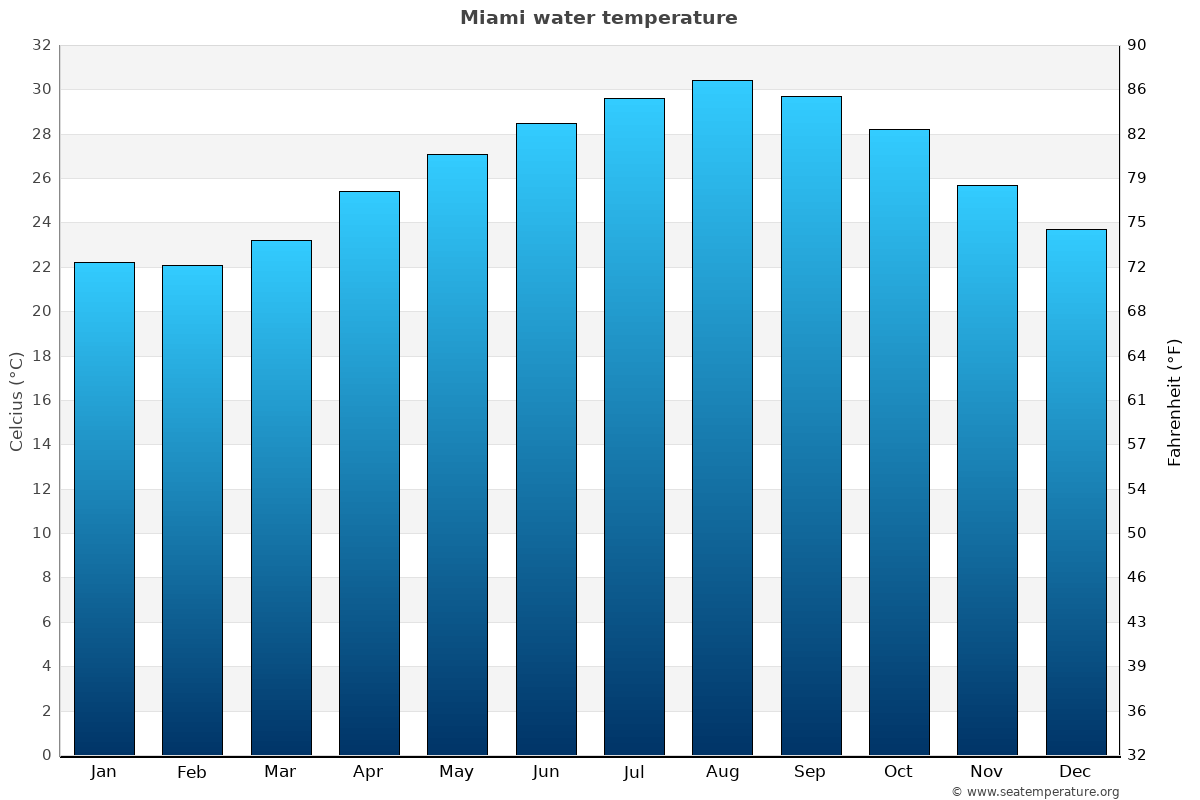
The temperature in Miami rarely dips into extreme cold, but the humidity levels fluctuate significantly throughout the calendar year. During the winter months—typically from December through February—the city enjoys a respite from the sweltering heat, with average daytime highs settling into the comfortable mid-70s Fahrenheit (23-25°C). This is widely considered the peak season for tourism, as the cooling trade winds from the Atlantic Ocean make strolling through the Art Deco District a delight.
Conversely, the summer months, spanning from June to September, see temperatures climb into the high 80s and low 90s Fahrenheit (30-34°C). While the heat is undeniable, it is the dew point that truly dictates how the “real feel” temperature impacts your day. Evenings during this period often bring sudden, refreshing tropical thunderstorms, which are a quintessential element of the Florida experience, usually passing as quickly as they arrive.
The Impact of Ocean Currents
Proximity to the Gulf Stream plays a critical role in tempering the city’s climate. The Atlantic Ocean acts as a thermal regulator, preventing the dramatic temperature swings seen in more northern latitudes. This marine influence ensures that even when the air temperature feels hot, the breeze coming off the water provides a necessary cooling effect, particularly for those enjoying the sandy expanse of South Beach.
Seasonal Travel Strategies for Every Visitor
Knowing the temperature is only the first step in crafting the perfect itinerary. Whether you are traveling for leisure, business, or adventure, aligning your plans with the expected weather patterns will significantly enhance your experience.
Planning for the Peak Season
If you prefer a moderate climate, the period between November and April is ideal. During these months, you can enjoy walking tours of Little Havana or visit the Vizcaya Museum and Gardens without the intensity of the midday sun. The lower temperatures make this the perfect time for high-energy activities such as kayaking in Biscayne National Park or exploring the vibrant street art in Wynwood Walls.
Navigating the Summer Heat
Visiting during the summer months offers its own unique advantages, such as fewer crowds and lower hotel rates at major establishments like the Fontainebleau Miami Beach. However, visitors should prioritize indoor activities during the hottest parts of the day. Consider spending the afternoon browsing the Pérez Art Museum Miami or enjoying the air-conditioned luxury of the Brickell City Centre. Hydration is key, and dressing in breathable, lightweight fabrics is essential for anyone traversing the bustling streets of Downtown Miami.
Expert Tips for Monitoring Local Conditions
In a city where weather can shift from brilliant sunshine to a heavy, brief downpour in minutes, local knowledge is an asset. Relying on transient weather apps can sometimes be misleading, as microclimates can exist between Miami Beach and the inland districts.
Look Beyond the Digital Thermometer
When you check the temperature, always look at the “feels like” temperature, which accounts for the humidity index. In South Florida, a reading of 88°F can often feel like 98°F due to the high moisture content in the air. Furthermore, check the wind speed. On days with higher winds, the temperature may feel significantly cooler while you are standing on the Rickenbacker Causeway or near the PortMiami waterfront.
The Best Time of Day for Exploration
For those seeking the most comfortable temperatures, the early morning hours—between 7:00 AM and 10:00 AM—are often the most pleasant. This is the prime window for active exploration, such as cycling along the Ocean Drive or enjoying a coffee at a cafe in Coral Gables. By mid-afternoon, when the temperatures reach their daily peak, transitioning to water-based activities or indoor culinary experiences becomes the most sustainable way to enjoy the city.
Preparing Your Wardrobe for a Tropical Escape
Packing for Miami requires a balance between style and functionality. Because the city has a reputation for being fashion-forward, your attire should be versatile enough to transition from a beachside lounge to a high-end restaurant in the Design District.
- Breathable Fabrics: Prioritize linen, light cotton, and performance fabrics that wick away moisture.
- Sun Protection: Regardless of the temperature, the Florida sun is powerful. Sunglasses, hats, and SPF are non-negotiable accessories.
- Layering: If you are visiting during the cooler winter months, a light jacket or a stylish sweater is essential, especially for evenings when the temperature can drop unexpectedly once the sun sets over the Everglades.

Conclusion: Embracing the Rhythm of the Sun
The temperature in Miami is not just a statistic; it is the heartbeat of the city. From the golden warmth of a winter morning to the electric heat of a summer night, the weather defines the atmosphere of this global hub. By staying informed about the local conditions and adjusting your expectations accordingly, you allow yourself the freedom to fully immerse in the culture, beauty, and excitement that Miami offers. Whether you are seeking a retreat to the InterContinental Miami or planning a day of discovery in Coconut Grove, knowing how to navigate the climate is your key to an unforgettable journey. Keep your plans fluid, stay hydrated, and let the sun be your guide through one of the most dynamic cities in the world.
LifeOutOfTheBox is a participant in the Amazon Services LLC Associates Program, an affiliate advertising program designed to provide a means for sites to earn advertising fees by advertising and linking to Amazon.com. Amazon, the Amazon logo, AmazonSupply, and the AmazonSupply logo are trademarks of Amazon.com, Inc. or its affiliates. As an Amazon Associate we earn affiliate commissions from qualifying purchases.