
For healthcare professionals, the allure of relocating often involves balancing a desire for career growth with the practicalities of maintaining a medical license. If you are currently licensed in Montana and are planning to practice elsewhere, the process of transferring your credentials—often referred to as licensure by endorsement or reciprocity—is a standard but highly structured administrative journey. Understanding how to transition your professional standing from the “Treasure State” to a new jurisdiction is essential for maintaining a seamless career trajectory.
Understanding Licensure by Endorsement
When you move your practice from Montana to another state, you rarely have to start your medical training from scratch. Instead, most state medical boards utilize a process called “licensure by endorsement.” This process recognizes that your initial training, examinations, and licensure in Montana meet the fundamental standards required for practice elsewhere.
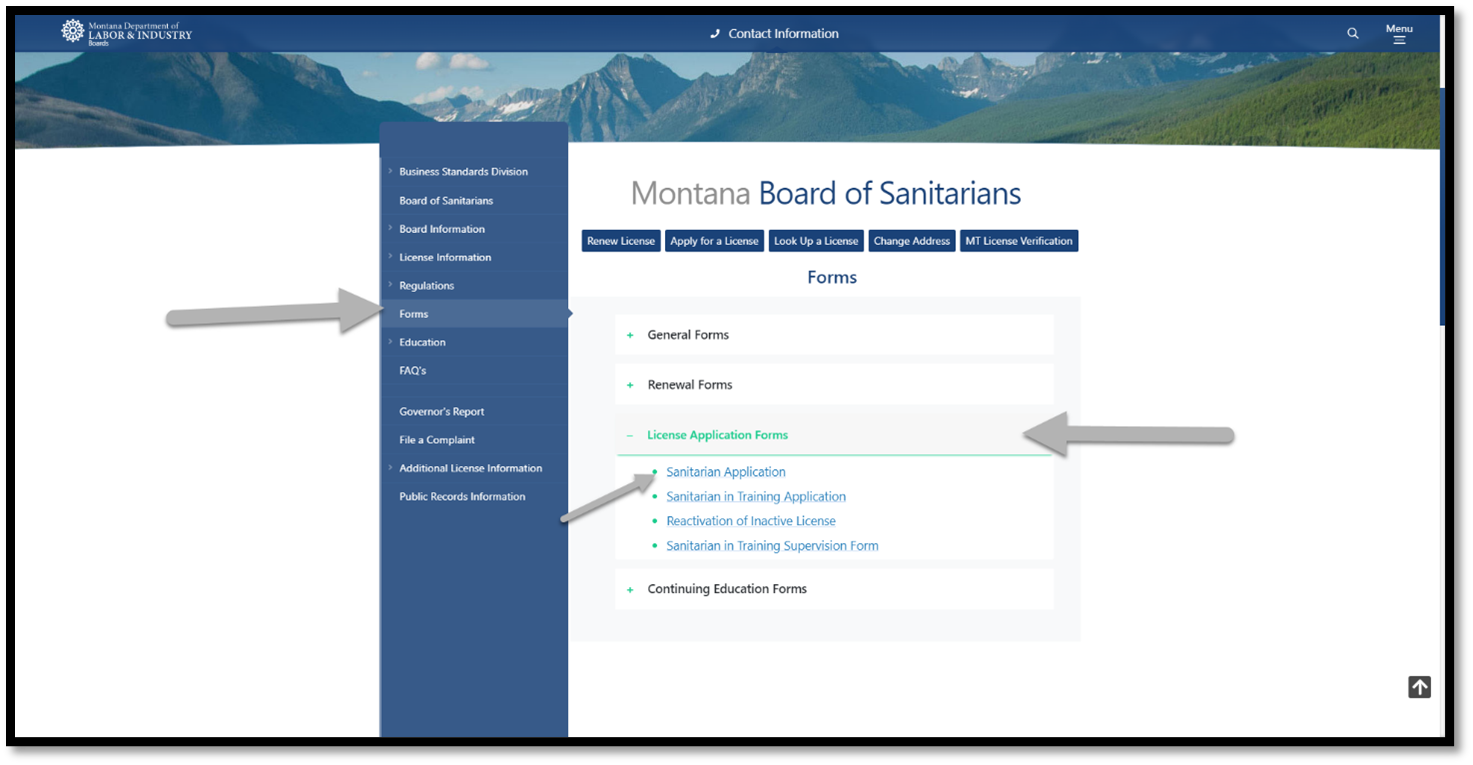
The Verification Process
The core of this transfer is the verification of your status. You must request that the Montana Board of Medical Examiners formally provide your licensure history to the board in your destination state. This history includes your current license status, any disciplinary actions (or the lack thereof), and the details of your initial certification.
The Role of the Federation of State Medical Boards
In many cases, you will utilize the Federation of State Medical Boards (FSMB) to centralize this process. Their Uniform Application and the Federation Credentials Verification Service (FCVS) act as a primary source repository for your credentials. By having your medical school transcripts, exam scores, and postgraduate training records verified once through the Federation of State Medical Boards, you avoid the need to repeat document verification every time you move or apply for an additional state license.
Step-by-Step Guide to Relocation Logistics
Transferring your license is a task that requires early planning. The bureaucracy involved in state-level licensing can take anywhere from a few weeks to several months depending on the volume of applications and the efficiency of the receiving state board.
Phase 1: Selecting Your Destination and Research
Before you initiate any paperwork, identify the specific requirements of the state where you intend to practice. Even if you are moving to a bustling metropolis like New York City or a growing hub like Austin, each state board maintains its own set of statutes. Visit the official website of the medical board in the state you are relocating to and review their “Licensure by Endorsement” or “Reciprocity” requirements.
Phase 2: Gathering Primary Source Documentation
You will likely need to provide:
- Official medical school transcripts sent directly from the institution to the new board.
- Verification of your United States Medical Licensing Examination scores.
- Proof of postgraduate training (residency/fellowship).
- A formal “Letter of Good Standing” or “License Verification” from the Montana Board of Medical Examiners.
Phase 3: Utilizing Digital Portals
Most states have transitioned to online application portals. Creating an account on the destination board’s website allows you to track the progress of your application in real-time. Ensure that all fees are paid promptly, as boards will not begin the review process until the administrative fee is cleared.

Navigating the Interstate Medical Licensure Compact
One of the most significant advancements for physicians moving between states is the Interstate Medical Licensure Compact. This agreement provides an expedited pathway for physicians to obtain licenses in multiple states.
Is Your Destination a Compact State?
Montana is a member of the Interstate Medical Licensure Compact. If the state you are moving to is also a member, you may qualify for a much faster licensing process. This compact allows physicians to apply for multiple licenses through a single application, significantly reducing the redundant paperwork usually required when moving across state lines.
Qualifications for the Compact
To qualify, you must:
- Hold a full, unrestricted medical license in a principal state (in this case, Montana).
- Have graduated from an accredited medical school.
- Have completed an accredited graduate medical education program.
- Have no history of disciplinary actions against your medical license in any jurisdiction.
- Not currently be under investigation by any state board.
By participating in the Interstate Medical Licensure Compact, you effectively streamline what was once a highly fragmented process, allowing you to focus more on your patients and less on administrative hurdles.
Maintaining Your Professional Standards During Transition
Even while you are in the midst of a move, it is crucial to remain in good standing in both your current and future jurisdictions. Your professional reputation is your most valuable asset, and the way you handle your licensure transfer reflects your commitment to the medical profession.
Continuing Medical Education (CME)
Be aware that different states have different Continuing Medical Education requirements. Just because you have met the requirements for Montana does not automatically mean you are compliant with the requirements of your new home state. Keep a meticulous log of your hours and ensure that your credits meet the specific mandates—such as ethics training or opioid prescribing education—that your new board may require.
Background Checks and Renewals
Almost every state will require a new fingerprint-based criminal background check as part of the endorsement process. Ensure that you follow the specific guidelines provided by the state board, as using an incorrect facility or form can result in significant delays. Additionally, consider whether you wish to maintain your Montana license as an inactive or “retired” status, or if you intend to let it lapse. Deciding this early on will help you avoid unnecessary renewal fees in the future.

Seeking Professional Assistance
If you find the process overwhelming, or if you have a complex disciplinary or training history that requires additional documentation, consider consulting with a healthcare attorney or a professional licensing service. These experts are well-versed in the nuances of state boards and can ensure that your application is submitted accurately the first time, preventing common pitfalls that lead to denials or lengthy administrative delays.
Transitioning your medical practice is a significant life event. By leveraging resources like the Federation of State Medical Boards and the Interstate Medical Licensure Compact, and by staying organized during the documentation phase, you can ensure that your transition from Montana is as professional and efficient as the care you provide to your patients. Whether your next chapter takes you to California, Florida, or beyond, a methodical approach to your credentials will ensure that you are ready to practice on day one.
LifeOutOfTheBox is a participant in the Amazon Services LLC Associates Program, an affiliate advertising program designed to provide a means for sites to earn advertising fees by advertising and linking to Amazon.com. Amazon, the Amazon logo, AmazonSupply, and the AmazonSupply logo are trademarks of Amazon.com, Inc. or its affiliates. As an Amazon Associate we earn affiliate commissions from qualifying purchases.