
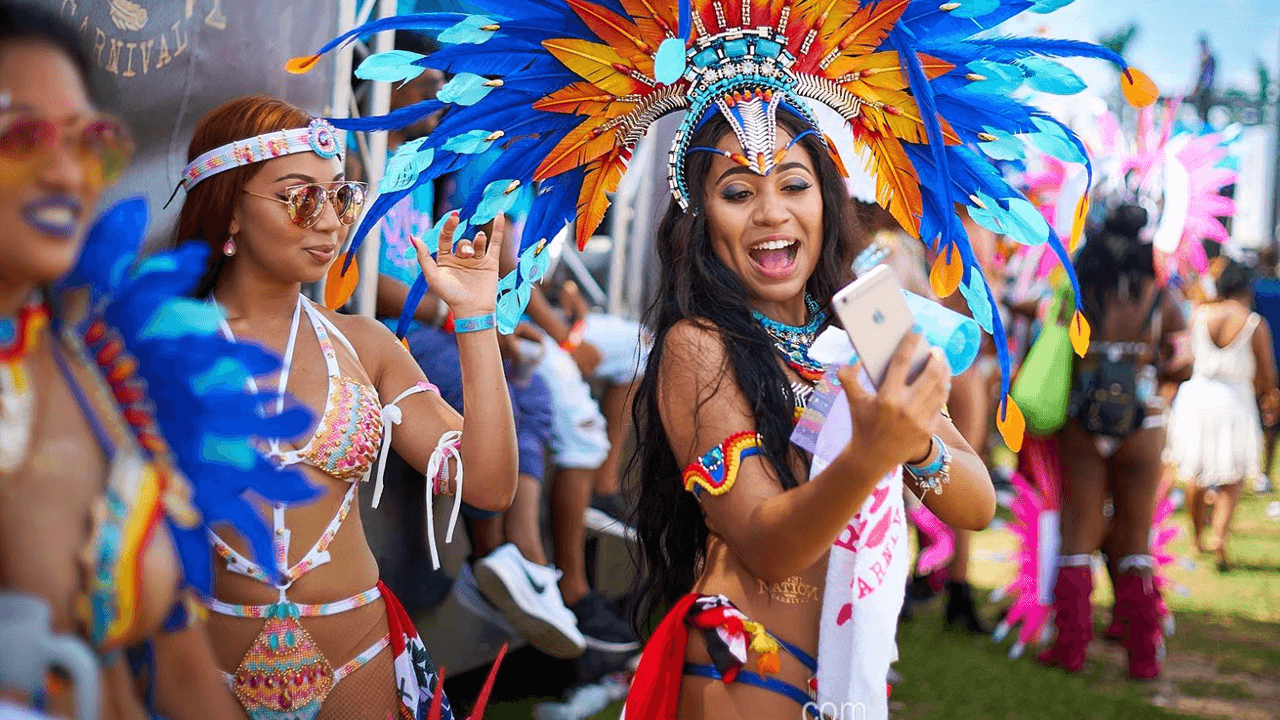
The energy of Miami is palpable year-round, but there is a specific time of year when the city vibrates with a rhythm that transcends its usual coastal charm. If you are planning a trip to this iconic Florida destination, timing your visit to coincide with the vibrant festivities of the annual carnival is an experience that transforms a standard vacation into a cultural immersion.
The primary event, widely recognized as Carnival Miami, typically takes place in the late winter and early spring, culminating in a grand street festival that captures the spirit of the city’s diverse Latin American and Caribbean populations. For travelers eager to witness the heart of the city’s local culture, understanding the timing and significance of these events is paramount.

Understanding the Carnival Miami Calendar
The celebration of carnival in this city is not a single-day affair. Unlike traditional pre-Lenten festivals held in Rio de Janeiro or New Orleans, the festivities in this region are spread over several weeks. This extended duration, known as the Carnival Miami festival, generally unfolds from late February through mid-March.
The Peak of the Festivities
The crowning jewel of this season is undoubtedly the Calle Ocho Music Festival. Held in the historic Little Havana neighborhood, this event traditionally takes place on a Sunday in mid-March. It represents the largest street festival of its kind in the entire United States. Travelers should plan their accommodations and itinerary to ensure they are present for this specific weekend, as it serves as the ultimate showcase for local music, food, and dance.
Planning Around Key Dates
Because the festival dates shift slightly every year, it is crucial to consult the official programming provided by the Kiwanis Club of Little Havana, the organization that orchestrates the event. While the street festival is the most visible component, the season also includes a series of culinary events, art showcases, and youth-oriented competitions that begin in February. By visiting early in the season, tourists can experience a more intimate side of the local culture before the massive crowds descend for the main event on Calle Ocho.
Immersing Yourself in Local Culture
Attending carnival is about more than just watching a parade; it is about engaging with the soul of the community. South Florida culture is a unique tapestry woven from strands of Cuba, Puerto Rico, Colombia, and other nations. During the carnival season, these influences become the centerpiece of the urban experience.
Culinary Journeys
Food is the lifeblood of this city. During carnival, visitors should move beyond the typical tourist fare found at the Bayside Marketplace and head directly into the heart of the festival. Here, you will find authentic street vendors serving croquetas, pastelitos, and café cubano. The carnival environment provides a unique opportunity to sample regional delicacies that are otherwise hard to find outside of home kitchens. It is a sensory experience where the aroma of roasting pork and sizzling spices fills the air, providing a genuine taste of the Caribbean influence that defines the region.

The Rhythms of the Streets
Music is the omnipresent soundtrack to the carnival season. Whether it is the syncopated beat of salsa, the high-energy pulse of reggaeton, or the classic sounds of bolero, the atmosphere is electric. Stages are erected along the thoroughfares, featuring both world-renowned artists and local talent. Engaging with this music is essential to understanding the identity of the city. For those unfamiliar with the dance styles, the festival atmosphere is remarkably welcoming, often offering spontaneous opportunities to learn a few steps from locals who treat the street as their private dance floor.
Essential Tips for the Carnival Traveler
Navigating a festival of this magnitude requires a mix of enthusiasm and practical planning. As Miami is a sprawling metropolis, logistics can play a significant role in how much you enjoy your stay.
Transportation and Navigation
During the peak of the carnival, certain streets, particularly the historic corridor of Southwest 8th Street, are closed to vehicular traffic. Relying on rental cars during this weekend is rarely recommended. Instead, utilize the public transit systems or rideshare services, keeping in mind that demand will be exceptionally high. If you are staying in Downtown Miami or near Brickell, proximity to public transit lines is a major advantage.
What to Pack and Prepare
The weather during the carnival season is arguably the best of the year, with mild temperatures and clear skies. However, you will be spending the vast majority of your time outdoors.
- Footwear: Wear comfortable, durable shoes, as you will be walking several miles to navigate the different stages and food kiosks.
- Sun Protection: The sun can be deceptively strong. Hats, sunglasses, and high-SPF sunscreen are non-negotiable for anyone planning to spend the afternoon in the open streets.
- Hydration: Always carry water. The combination of heat, dancing, and high-energy activity means that staying hydrated is the most important factor in sustaining your energy throughout the day.
- Local Currency: While most major vendors accept digital payments, carrying small denominations of cash is helpful for smaller vendors, artists, and spontaneous tips for street performers.
Choosing Where to Stay
If your primary goal is to participate in the carnival festivities, location matters. Staying in neighborhoods like Coral Gables or Coconut Grove offers a slightly quieter retreat while remaining within a reasonable distance of the events. However, for those who want to be in the middle of the action, finding a boutique hotel in Little Havana or the nearby Design District allows you to step out of your door and directly into the heart of the celebration.
Beyond the Main Event: Why Timing Matters
While the festival itself is the main attraction, the surrounding weeks offer a much broader view of the city. By timing your trip to span a full week or ten days, you can balance the intensity of the festival with the more tranquil side of Florida.
You might dedicate your mornings to visiting the Vizcaya Museum and Gardens, a stunning historic estate, or perhaps taking a short drive to the Everglades National Park to witness the unique ecosystem of the region. The beauty of this specific time of year is the sheer variety of experiences available. You can spend your Saturday afternoon dancing in a crowded street in Little Havana and your Sunday morning observing wildlife in the quiet solitude of the wetlands.
This balance is what makes a trip during the carnival season so compelling. You aren’t just visiting a destination; you are engaging with a living, breathing community that is proud to share its heritage with the world. The carnival is the city’s way of celebrating its past while looking toward its future, and by being there, you become a part of that ongoing narrative.
Whether you are a seasoned traveler or visiting for the first time, seeing the city during its most colorful and loud period is a must. Just remember to check the dates for the current year well in advance, pack your most comfortable walking shoes, and arrive with an open mind ready to embrace the rhythm of the streets.
LifeOutOfTheBox is a participant in the Amazon Services LLC Associates Program, an affiliate advertising program designed to provide a means for sites to earn advertising fees by advertising and linking to Amazon.com. Amazon, the Amazon logo, AmazonSupply, and the AmazonSupply logo are trademarks of Amazon.com, Inc. or its affiliates. As an Amazon Associate we earn affiliate commissions from qualifying purchases.