
For travelers and seasonal residents alike, Miami stands as a crown jewel of Florida. Its turquoise waters, vibrant art scene, and iconic skyline make it a bucket-list destination. However, the region’s tropical climate comes with a seasonal caveat that every visitor should understand: the Atlantic hurricane season. Planning a trip to this paradise requires a level of awareness regarding weather patterns to ensure your vacation remains focused on relaxation rather than disruption.
Understanding the Hurricane Season Timeline
The official Atlantic hurricane season spans from June 1st through November 30th. During this six-month window, atmospheric conditions—such as warm ocean temperatures and low wind shear—create the potential for tropical cyclone development. While these dates represent the official period monitored by the National Hurricane Center, it is essential to look closer at the nuance of these months to manage your travel expectations.

The Early Season: June and July
June and July are typically characterized by a lower frequency of major storm activity. While the season has officially begun, the Atlantic basin often remains relatively quiet during these early weeks. Travelers who prefer the shoulder season can often find excellent deals on luxury resorts in South Beach during this time. The weather is hot and humid, but the risk of a significant weather event remains statistically lower compared to the height of the season.
The Peak of the Season: August through October
The most active period for hurricane activity in the Atlantic typically occurs from mid-August through mid-October. This window coincides with the peak of the African Easterly Jet, which often serves as a catalyst for tropical waves moving off the coast of Africa. For travelers, this is the time when vigilance is most important. While major storms are not a daily occurrence, the probability of weather-related travel interruptions increases. If you are planning a trip to Biscayne Bay or the Florida Keys during these months, it is highly recommended to monitor regional forecasts closely.
The Winding Down: November
By November, the intensity of the hurricane season begins to wane. While rare, late-season storms can occasionally develop in the Caribbean Sea. However, for most travelers, November marks the return of milder temperatures and more predictable weather, making it an increasingly popular time to visit.
Navigating Travel Logistics During Hurricane Season
Traveling during the hurricane season does not mean your trip will be affected, but it does require a more strategic approach to logistics. The modern travel industry in The United States is well-equipped to handle these events, provided that guests remain informed and proactive.
Flexibility and Travel Insurance
The most valuable tool in a traveler’s arsenal during the summer and fall is flexibility. When booking flights or accommodations in Miami Beach, look for flexible cancellation policies. Many hotels now offer “hurricane guarantees,” which allow guests to modify or cancel their reservations without penalty if a storm watch or warning is issued for the area.
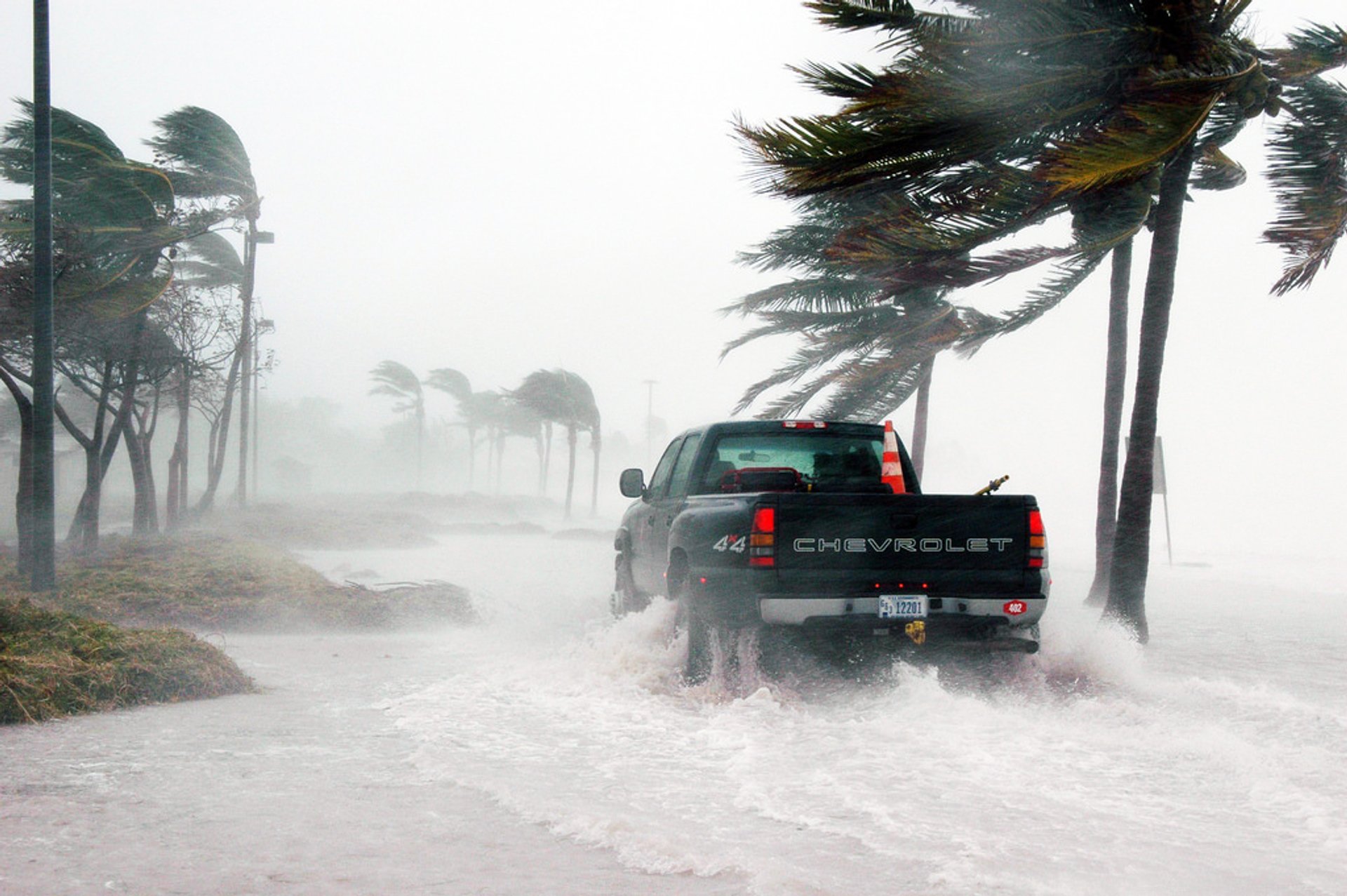
Furthermore, purchasing comprehensive travel insurance is a prudent investment. Ensure that your policy specifically covers “trip cancellation” and “trip interruption” due to weather-related events. Understanding the fine print of your policy can be the difference between a stressful ordeal and a manageable change of plans.
Monitoring Official Channels
Stay connected with reputable sources for updates. The National Oceanic and Atmospheric Administration provides real-time data and tracking maps that are invaluable for those currently in or traveling to the region. Checking these resources daily during your stay allows you to enjoy the vibrant culture of Little Havana or the pristine sands of Crandon Park with peace of mind.
Enjoying the City Despite the Tropical Climate
It is a common misconception that hurricane season results in six months of continuous rain. In reality, the climate in this part of North America often features brief, intense afternoon thunderstorms followed by bright, beautiful sunshine. This pattern is normal for the tropical climate and is rarely a deterrent for those looking to experience the best of the city.
Indoor Attractions for Rainy Days
If the weather turns less than ideal, Miami offers a wealth of indoor activities that ensure your itinerary stays packed. You can spend an afternoon exploring the world-class collections at the Pérez Art Museum Miami or take a deep dive into the history of the Vizcaya Museum and Gardens. These cultural hubs provide a sophisticated escape from the elements.
Additionally, the culinary scene in Brickell and the Design District offers endless opportunities for discovery. Whether you are exploring the upscale shops or indulging in the city’s fusion cuisine, the urban energy remains high regardless of what is happening in the atmosphere.
Embracing the “Slow” Season
Traveling during the middle of the hurricane season—specifically September and early October—often results in smaller crowds at major landmarks like the Art Deco Historic District. You can enjoy shorter wait times at popular restaurants and more personalized service at high-end resorts. As long as you remain aware of the meteorological outlook, you can take advantage of the quietest time of year to visit this bustling metropolis.

Final Recommendations for Your Trip
Ultimately, the goal of any vacation is to create lasting memories. A proactive approach to hurricane season allows you to enjoy the beauty of South Florida with the confidence that you are prepared for any outcome.
- Check the Forecast: Monitor the National Hurricane Center for updates before and during your trip.
- Review Policies: Confirm that your lodging and transportation providers have clear policies regarding severe weather.
- Pack Wisely: Bring light, breathable clothing for the humidity, but keep an eye on weather forecasts for any sudden shifts.
- Have an Alternative Plan: Keep a list of indoor activities—museums, galleries, and malls—ready in case of a rainy afternoon.
By understanding the nature of the hurricane season and planning accordingly, you can experience the unmatched allure of Miami throughout the entire year. The city is resilient, vibrant, and always welcoming to those who take the time to respect the rhythms of the tropics. Enjoy the warmth, the culture, and the unforgettable atmosphere of this coastal paradise, knowing that your adventure is backed by careful preparation.
LifeOutOfTheBox is a participant in the Amazon Services LLC Associates Program, an affiliate advertising program designed to provide a means for sites to earn advertising fees by advertising and linking to Amazon.com. Amazon, the Amazon logo, AmazonSupply, and the AmazonSupply logo are trademarks of Amazon.com, Inc. or its affiliates. As an Amazon Associate we earn affiliate commissions from qualifying purchases.