
For professionals and digital nomads considering a long-term relocation to the vibrant culture of Louisiana, understanding the legal landscape of the workplace is essential. While the state is famous for its unique culinary landscape, jazz history, and the festive atmosphere of New Orleans, it also operates under specific employment laws that impact how businesses and residents interact. Whether you are moving to Baton Rouge for a corporate role or setting up a boutique venture in Lafayette, the question of employment status is foundational to your professional lifestyle.
Understanding At-Will Employment in the Pelican State
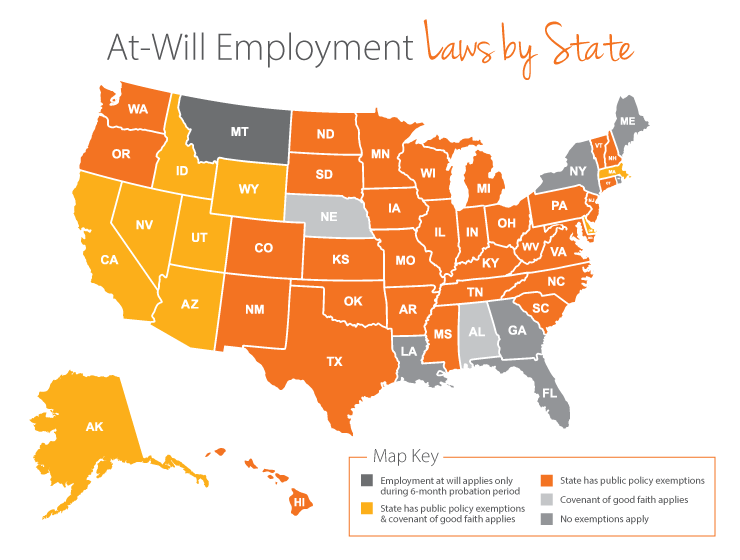
Louisiana is indeed an “at-will” state. This legal doctrine is the default standard for private-sector employment across the United States, and it holds significant weight within the Louisiana jurisdiction. In practical terms, “at-will” means that an employer can terminate an employee at any time, for any reason—or even for no reason at all—provided that the reason is not illegal, such as discrimination based on race, gender, religion, age, or disability.
The Dynamics of Professional Freedom
For the workforce, this policy creates a flexible, albeit sometimes precarious, environment. Because employers have the autonomy to end an employment relationship without the requirement of “just cause,” the local job market often values adaptability and high-level networking. This is particularly noticeable in major hubs like New Orleans, where the service, hospitality, and energy sectors thrive on shifting demands. Employees, in turn, are free to resign from their positions at any time, for any reason, without providing a specific notice period—though professional courtesy and contractual agreements often dictate otherwise.
Protections Beyond At-Will Status
While the at-will designation might sound absolute, it is subject to both state and federal constraints. Employers in Louisiana cannot bypass statutes that protect workers from retaliatory discharge or harassment. If a termination is perceived as a violation of civil rights, the at-will status does not shield the employer from legal scrutiny. This nuanced balance is vital for those relocating to cities like Shreveport or Lake Charles, as it shapes the expectations for career stability and worker rights.
The Role of Contracts and Agreements
Despite the prevalence of at-will employment, many professional arrangements in Louisiana are modified by written contracts. For high-level executives, specialized consultants, or those working in the burgeoning tech scenes of New Orleans, an employment contract can effectively override the traditional at-will presumption.
Negotiating Terms for Long-Term Stays
When moving to Louisiana, it is prudent to review any offer letter or employment agreement to see if it specifies a term of employment. If a contract explicitly states that an individual is employed for a fixed duration—such as one year or two years—the employer generally cannot terminate the relationship at will without triggering breach-of-contract liabilities. This offers a layer of security for those choosing to settle in historic districts or neighborhoods across Baton Rouge.

Explicit Policies and Handbooks
Many companies provide an employee handbook that outlines specific disciplinary procedures, such as a “three-strike” policy or mandatory performance improvement plans. While these policies do not always legally negate at-will status, courts in Louisiana may consider whether an employer failed to follow their own written procedures when defending a wrongful termination suit. For the modern professional, reading the fine print is just as important as choosing the right neighborhood in Lafayette.
Impact on Business and Lifestyle in Louisiana
The at-will employment landscape plays a surprising role in the overall “vibe” and economic activity of the state. It allows for a dynamic labor market, which facilitates the rapid growth of industries such as film production, tourism, and offshore energy.
Encouraging Entrepreneurship
Because the barrier to adjusting staffing levels is lower, Louisiana remains a competitive space for startups and small business owners. Entrepreneurs can scale their teams quickly to meet seasonal demands—which are frequent in tourist-heavy locations like the French Quarter—without being locked into rigid, long-term labor commitments. This fluidity allows businesses to remain profitable during the slower months, ensuring that the local economy continues to support the unique cultural attractions that draw people to the region.
The Human Element of the Workforce
For those working in the hospitality sector—ranging from staff at the The Roosevelt New Orleans to boutique art galleries in Covington—the at-will nature of the job implies that interpersonal relationships and reputation are paramount. In a state that prizes personal connection and community engagement, many employment relationships are built on mutual respect rather than just legal enforcement. Professional networks in places like Alexandria often rely on strong recommendations and long-standing professional ties, which serve as an informal, secondary layer of protection against the volatility of at-will employment.
Navigating Employment Risks as a New Resident
Moving to a new state involves more than just finding a home; it involves acclimating to the local professional culture. For those relocating to Louisiana, it is vital to approach employment with a clear understanding of your rights and responsibilities.
Preparing for Transitions
Given the at-will nature of the state, it is always wise to maintain an “emergency fund” and to keep your resume and networking profiles updated, regardless of your industry. Whether you are living in a modern loft in New Orleans or a quiet residence in Monroe, taking a proactive approach to your professional path is the hallmark of a successful long-term stay.

Seeking Professional Guidance
If you find yourself in a situation where you believe your rights have been violated, or if you are negotiating a complex contract for a position in Baton Rouge, consulting with a local labor attorney can provide clarity. Louisiana law—influenced by its unique Napoleonic Code origins—can sometimes differ from the Common Law systems found elsewhere in the United-States. Understanding these subtle nuances is essential for protecting your interests.
Ultimately, while the at-will status defines the legal framework of employment in Louisiana, it exists within a larger, vibrant ecosystem of professional growth and cultural opportunity. By understanding the balance of power, negotiating terms where possible, and staying informed about your rights, you can thrive in the Pelican State’s unique and rewarding professional environment. Whether you are arriving for a short-term project or planning to plant permanent roots, the state offers a wealth of potential for those who are prepared and informed.
LifeOutOfTheBox is a participant in the Amazon Services LLC Associates Program, an affiliate advertising program designed to provide a means for sites to earn advertising fees by advertising and linking to Amazon.com. Amazon, the Amazon logo, AmazonSupply, and the AmazonSupply logo are trademarks of Amazon.com, Inc. or its affiliates. As an Amazon Associate we earn affiliate commissions from qualifying purchases.