
Planning a trip from the bustling streets of New York to the expansive landscapes of Texas requires a clear understanding of flight logistics. Whether you are traveling for business, visiting family, or embarking on a Southern adventure, the duration of your flight is one of the most critical factors in your itinerary planning. While both states are located in the United States, the sheer distance between the East Coast and the South means that flight times can vary significantly based on your specific departure airport and your destination city.
Understanding Flight Durations Between Major Hubs
The time spent in the air depends heavily on which city you depart from and which city you land in. New York City is served by three primary airports: John F Kennedy International Airport, LaGuardia Airport, and Newark Liberty International Airport. Conversely, Texas is a massive state with several major aviation gateways, most notably Dallas Fort Worth International Airport, George Bush Intercontinental Airport, and Austin Bergstrom International Airport.

Flights to North Texas
When flying from New York to Dallas, you can generally expect a flight time of approximately 3 hours and 30 minutes to 4 hours. This route is highly frequented by business travelers, leading to a high volume of non-stop options. Because the flight path cuts across the midsection of the country, it is often straightforward and efficient. Factors such as headwind strength—which can be more pronounced moving from east to west—often dictate whether the flight lands slightly ahead of or behind the scheduled arrival time.
Flights to South and Central Texas
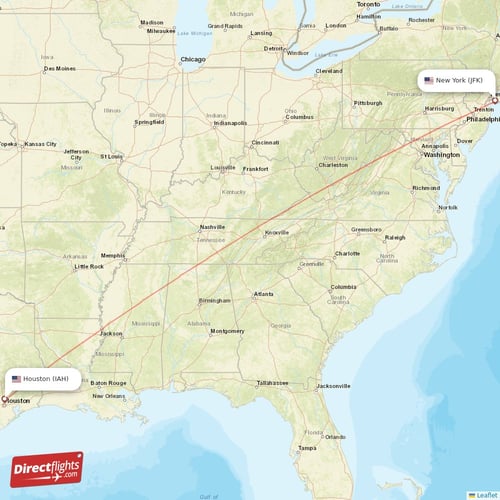
If your destination is Houston or Austin, the flight duration remains relatively similar to that of Dallas, typically clocking in between 3 hours and 45 minutes to 4 hours and 15 minutes. Houston is a major international hub, and travelers often find that flights to George Bush Intercontinental Airport are frequent and well-timed. The slightly longer flight time compared to Dallas is due to the additional distance south, but in the context of modern commercial aviation, this difference is marginal.
Variables That Impact Your Time in the Sky
While the average flight time provides a helpful baseline, several variables can alter your actual time in the air. Understanding these nuances can help you manage your expectations and plan your travel schedule with greater precision.
Air Traffic Congestion
One of the most significant factors influencing your arrival time is airport congestion. John F Kennedy International Airport and Newark Liberty International Airport are among the busiest in the country. During peak hours, it is not uncommon for flights to wait on the tarmac before departure or be placed in a holding pattern upon arrival. Even if your flight plan estimates a 3-hour and 45-minute flight, you should always buffer an extra 30 to 45 minutes for potential ground delays during takeoff and taxiing.
Weather Patterns
The Northeast and the Southern Plains experience vastly different weather patterns. In the winter months, snow and ice in New York can lead to de-icing procedures, which add time to the boarding process and overall departure sequence. Similarly, the Texas region is prone to sudden, severe thunderstorms during the spring and summer. These meteorological events can force pilots to adjust their flight paths to avoid turbulence, which may add minutes to your journey or necessitate a delay before takeoff.

Aircraft Type and Airline Efficiency
The type of aircraft used for the route also plays a role in speed and comfort. Larger wide-body aircraft used on some high-capacity routes between New York and Houston may offer a more stable flight, while smaller regional jets might be more susceptible to wind resistance. Generally, major carriers prioritize punctuality on these high-traffic routes to maintain their gate slots, which often results in a more consistent and reliable flight experience.
Navigating Airport Transfers and Total Travel Time
It is essential to distinguish between “flight time” and “travel time.” While you may spend four hours in the air, your door-to-door journey is significantly longer.
Departure and Arrival Logistics
When flying out of New York City, consider the time required to navigate the airport. LaGuardia Airport is closer to Manhattan but can be subject to intense traffic, while John F Kennedy International Airport and Newark Liberty International Airport require more significant transit time via train or car. Arriving two hours before a domestic flight is the standard recommendation, meaning your airport experience will likely last longer than the actual flight itself.
Connecting Flights
If you are flying to a smaller regional airport in Texas, such as El Paso or Lubbock, you may need a connecting flight. A direct flight is almost always preferable, but if a connection is necessary, you should factor in an additional two to three hours for the layover. A journey that takes 4 hours on a direct flight can quickly become a 7-to-8-hour ordeal once a connection at a hub like Dallas Fort Worth International Airport is included.
Tips for a Smoother Flight Experience
To ensure your trip from New York to Texas is as pleasant as possible, preparation is key. Regardless of the flight duration, being equipped for the journey makes all the difference.
Choose Your Departure Time Wisely
Early morning flights are historically more likely to depart on time. As the day progresses, the ripple effect of delays from earlier flights tends to compound, making afternoon and evening departures riskier in terms of schedule reliability. If your goal is to land in Texas by midday, book the earliest available flight.
Optimize Your Carry-On Strategy
Given that you will be traveling between two major regions with different climates, dressing in layers is the best approach. New York may be cold while Texas is warm, or vice versa. Keep essentials in your carry-on that will allow you to adjust comfortably to the temperature change upon landing. Additionally, since the flight is around four hours, having a portable charger and pre-downloaded entertainment ensures that you remain productive or entertained without relying solely on aircraft Wi-Fi, which can be inconsistent.
Monitor Flight Status Real-Time
Most major airlines provide mobile apps that offer real-time updates. By enabling push notifications, you will be the first to know about gate changes, arrival delays, or potential cancellations. Staying informed allows you to adjust your plans on the fly, whether it means staying an extra hour at a lounge in New York or notifying your pickup driver in Texas of an updated arrival time.
Ultimately, while the flight from New York to Texas is not an exceptionally long journey compared to transcontinental or international travel, it requires careful consideration of the logistics involved. By anticipating potential delays and focusing on efficient travel habits, you can ensure that your time in the air is merely a seamless transition between two of the most vibrant regions in the United States. Whether your destination is the urban landscape of Dallas or the cultural heartbeat of Austin, understanding the nuances of your flight path will make your travel experience significantly more rewarding.
LifeOutOfTheBox is a participant in the Amazon Services LLC Associates Program, an affiliate advertising program designed to provide a means for sites to earn advertising fees by advertising and linking to Amazon.com. Amazon, the Amazon logo, AmazonSupply, and the AmazonSupply logo are trademarks of Amazon.com, Inc. or its affiliates. As an Amazon Associate we earn affiliate commissions from qualifying purchases.