
When travelers, prospective students, or history enthusiasts first encounter the name Miami University, a common point of confusion arises. How does a prestigious public institution bearing the name of a tropical coastal city in Florida find itself nestled in the rolling, temperate hills of Oxford, Ohio? To understand this geographic anomaly, one must delve into the rich history of the United States frontier and the legacy of the Miami people, the Indigenous inhabitants who defined the region long before the state lines were drawn.
The Linguistic and Historical Roots of the Name
The name “Miami” does not originate from the famous vacation destination in the south; rather, it is a tribute to the Myaamia people, an Algonquian-speaking tribe that occupied much of the Ohio Valley. The term itself is derived from the word Myaamiaki, which signifies “the people who live downstream.”
Establishing the Institution
Founded in 1809, the university was established by the Ohio State Legislature with the intent of creating a “Miami University” in the Miami Valley, a region named after the Great Miami River and the Little Miami River. At the time of its founding, the university was intended to serve the frontier population as they moved westward. By the time the namesake city of Miami in Dade County was incorporated in 1896, the Ohio institution had already been educating scholars for nearly nine decades.
A Legacy of Indigenous Stewardship
The university maintains a unique, ongoing relationship with the Miami Tribe of Oklahoma. While the university is located in Ohio, the forced removal of the Myaamia people in the 19th century scattered the tribe to the Indian Territory, which later became part of Oklahoma. Today, the university works in close partnership with the tribe to revitalize the Myaamia language and preserve their cultural heritage, effectively bridging the gap between historical displacement and modern academic reconciliation.
Exploring the Campus: A National Landmark
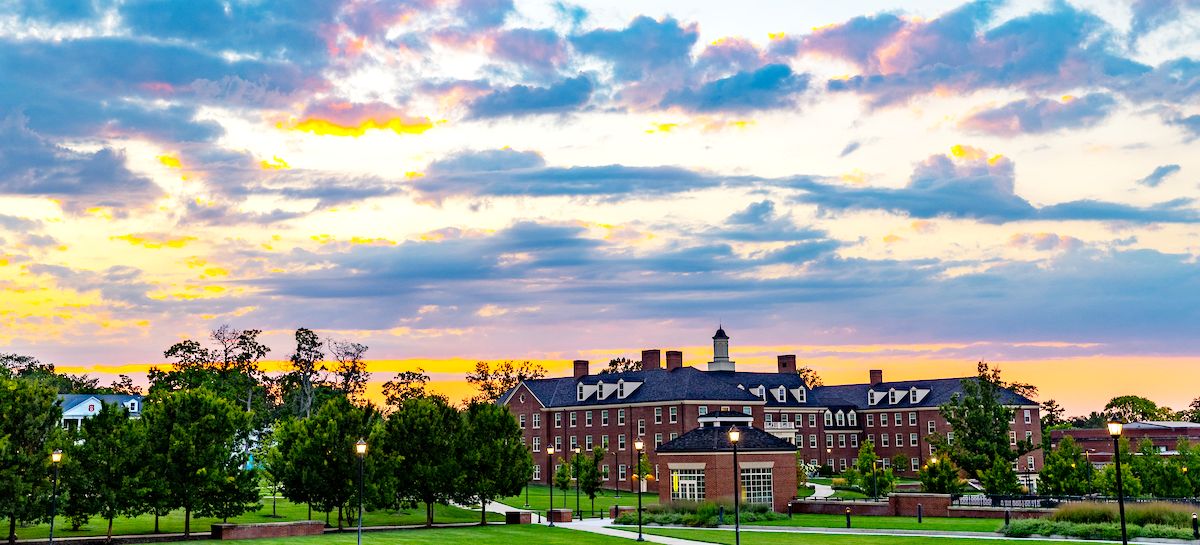
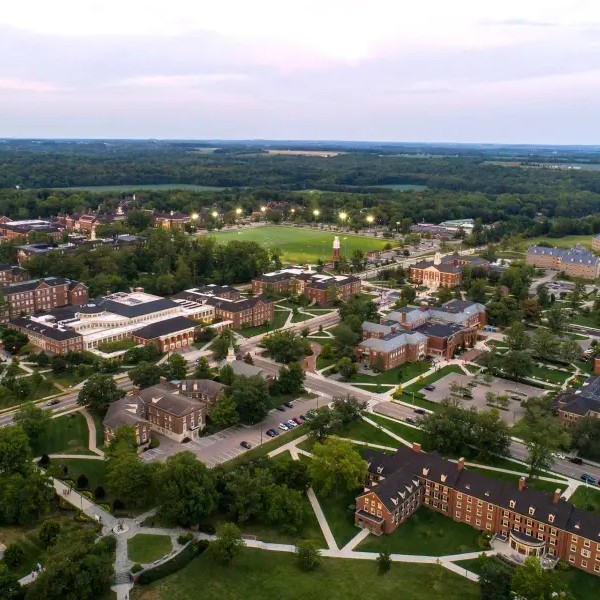
Beyond the mystery of its name, Miami University is widely regarded as one of the most beautiful “Public Ivies” in the nation. Its architecture and grounds serve as a testament to the classic American collegiate aesthetic, drawing thousands of tourists annually who come to admire the limestone facades and meticulously maintained landscapes.
The Beauty of the “Cradle of Coaches”
Often called the “Cradle of Coaches,” the university has a storied history in American athletics, particularly football. Visitors often traverse the campus to visit Yager Stadium, where the legends of collegiate coaching once cut their teeth. The campus architecture, characterized by its Georgian style, evokes a sense of traditional refinement that feels worlds away from the urban bustle of its Sunshine State namesake.
The Uptown Oxford Experience
The Uptown district, adjacent to the university, offers a classic small-town Midwest experience. For those visiting the area, the walkability of the town center creates a charming atmosphere filled with local eateries, independent bookstores, and historic brick buildings. It is a quintessential Butler County experience, capturing the essence of a region that relies on community ties and historical pride.

Distinguishing the Two Miamis
It is nearly impossible to discuss the Ohio institution without addressing the confusion it causes for global travelers. The discrepancy between the humid, subtropical, palm-tree-lined landscape of South Florida and the seasonal, four-climate reality of the Midwest is vast.
Cultural and Atmospheric Differences
While the city of Miami Beach is known for Art Deco architecture, nightlife, and maritime culture, Oxford offers a serene, academic, and rural charm. The former is a hub of international commerce and tourism; the latter is a center for research, liberal arts, and Midwestern heritage. Travelers looking to visit the university often find themselves pleasantly surprised by the peaceful environment, which stands in stark contrast to the high-energy, international tourism hub found in the Caribbean coastal regions.
Clarifying Travel Plans
For those attempting to book travel, it is vital to note the difference between the two destinations. A traveler flying into Miami International Airport will find themselves over 1,000 miles away from the university. Visitors seeking the campus should instead look toward Cincinnati/Northern Kentucky International Airport, which serves as the gateway to the Oxford region. Misunderstandings between these two locations are common, yet the distinction is crucial for a successful trip.
Cultural Preservation and Modern Tourism
Today, Miami University has evolved into a significant cultural landmark. It represents more than just an academic institution; it is a repository for regional history and a steward of Indigenous heritage.
Engaging with the Myaamia Center
The Myaamia Center stands as a focal point for researchers and cultural tourists interested in learning about the deep history of the land. The center functions as an educational hub, highlighting how modern academia can support the preservation of Indigenous languages and traditions. This makes the university a fascinating stop for those interested in the cultural history of the United States.
Preserving Architectural Integrity
The campus itself, featuring landmarks like Upham Hall and The Hub, is a treasure trove of architectural history. Visitors are encouraged to take walking tours to understand the evolution of the university from its 19th-century origins to its modern identity. The preservation of these structures ensures that the history of the Ohio Valley remains tangible for future generations.
The Role of Tourism in Oxford
Tourism in this part of Ohio is intimately tied to the university’s presence. Whether it is parents visiting students, sports fans attending games, or history buffs exploring the Miami Valley, the region relies on the university as a foundational pillar of its identity. By understanding the historical context—that the name was a respectful acknowledgement of the Miami people who originally inhabited the valley long before the southern city was settled—travelers gain a deeper appreciation for the geographical name they once found so confusing.
Ultimately, Miami University is exactly where it is supposed to be: at the heart of the region it was built to serve. Its existence is a testament to the complex layers of history that define the American landscape, offering a unique destination that blends academic rigor, natural beauty, and a commitment to preserving the memory of the Indigenous people for whom it is named.
LifeOutOfTheBox is a participant in the Amazon Services LLC Associates Program, an affiliate advertising program designed to provide a means for sites to earn advertising fees by advertising and linking to Amazon.com. Amazon, the Amazon logo, AmazonSupply, and the AmazonSupply logo are trademarks of Amazon.com, Inc. or its affiliates. As an Amazon Associate we earn affiliate commissions from qualifying purchases.