
The dream of exchanging vows amidst the gentle rustle of palm fronds and the rhythmic pulse of the Pacific Ocean is a powerful draw for couples worldwide. Hawaii, a volcanic archipelago located in the central United States, offers some of the most breathtaking landscapes on Earth, making it a premier destination for nuptials. However, transitioning from a dream to a reality requires navigating specific legal requirements, understanding the unique geography of each island, and selecting a destination that aligns with your personal travel style. Whether you envision a grand affair in Honolulu or a secluded ceremony on the Na Pali Coast, this guide provides a comprehensive overview of how to plan your wedding in the Aloha State.
Navigating the Legal Essentials and Logistics
Before you can focus on the aesthetics of your ceremony, you must adhere to the legal framework established by the state of Hawaii. The process is notably straightforward compared to many other international destinations, which is a significant factor in the islands’ popularity for destination weddings.
The License Process
To legally marry in Hawaii, both parties must appear together in person before a marriage license agent to apply for a license. While you can start the application process online through the Hawaii Department of Health website, the physical meeting is mandatory. There are no residency or citizenship requirements, meaning travelers from across the globe are welcome. Once issued, the license is valid throughout the state for 30 days.
It is important to note that a marriage license is not the same as a marriage certificate. The license gives you the legal permission to marry, while the certificate is the document issued after the ceremony has been performed and the officiant has filed the necessary paperwork. Most couples choose to meet with an agent shortly after arriving at Daniel K. Inouye International Airport or other major island hubs to ensure the legalities are handled before the festivities begin.
Important Documentation
Couples must provide legal proof of age, typically through a certified birth certificate or a valid government-issued photo ID, such as a passport or driver’s license. If either party has been previously married, you must provide the date the previous marriage ended, though physical divorce decrees are generally only required if the divorce was finalized within the last 30 days. Ensuring these documents are organized before you depart for the islands will prevent any logistical hurdles in the days leading up to your ceremony.
Choosing Your Island: A Guide to the Archipelagos
The most critical decision in your travel planning is selecting which island will serve as your backdrop. Each of the major islands offers a distinct personality, climate, and variety of experiences.
Oahu: The Heart of the Islands
Oahu is often the first stop for many travelers. Known as “The Gathering Place,” it offers a seamless blend of metropolitan energy and natural beauty. For couples who want the convenience of high-end shopping, world-class dining, and iconic landmarks, Honolulu is the ideal choice.
A ceremony in Waikiki allows guests to stay at historic properties like the Royal Hawaiian Hotel, while the nearby Diamond Head provides a dramatic volcanic silhouette for photography. Beyond the city, the North Shore offers a more rugged, surf-centric atmosphere, perfect for those who want to escape the bustle. Oahu also provides rich historical context, with sites such as Iolani Palace and Pearl Harbor offering profound depth to your travel itinerary.
Maui: The Romance Capital
Maui is frequently cited as the most romantic island in the chain. It strikes a balance between the developed luxury of Oahu and the raw nature of the outer islands. Most wedding travel is centered around the sunny western and southern shores. Wailea is home to prestigious resorts like the Four Seasons Resort Maui at Wailea, offering manicured beachfronts and exceptional service.
For more adventurous couples, the Road to Hana offers a journey through rainforests and past waterfalls, leading to the serene town of Hana. Alternatively, a sunrise ceremony at the summit of Haleakala National Park provides an ethereal setting above the clouds, though it requires careful planning regarding altitude and temperature.
Kauai: The Garden Isle
Kauai is the destination for those seeking lush, emerald landscapes and a slower pace of life. As the oldest island in the chain, its geography is deeply carved by time. The Na Pali Coast, with its towering sea cliffs, is one of the most spectacular sights in the world, often accessed by boat or helicopter for truly private elopements.
The north shore town of Hanalei Bay provides a quintessential tropical backdrop, while the southern Poipu region offers more consistent sunshine and proximity to Waimea Canyon, often called the “Grand Canyon of the Pacific.” Kauai is less about nightlife and more about the profound connection to the land.
Hawaii Island: The Land of Fire and Ice
Hawaii Island, commonly referred to as the Big Island, is a land of extremes. From the black sand beaches of Punaluu to the snow-capped peak of Mauna Kea, the diversity of terrain is unmatched. Couples can marry near the active craters of Hawaii Volcanoes National Park or choose the sunny, coffee-growing regions of Kailua-Kona.

The island’s vast size means travel between the rainy, tropical side of Hilo and the arid, volcanic side of Kona can take several hours, so it is best to choose a home base that fits your desired aesthetic.
Exceptional Venues and Scenic Landscapes
The beauty of Hawaii lies in its versatility. The “venue” for your wedding can range from a five-star ballroom to a hidden waterfall deep in the jungle.
Coastal Grandeur and Sandy Shores
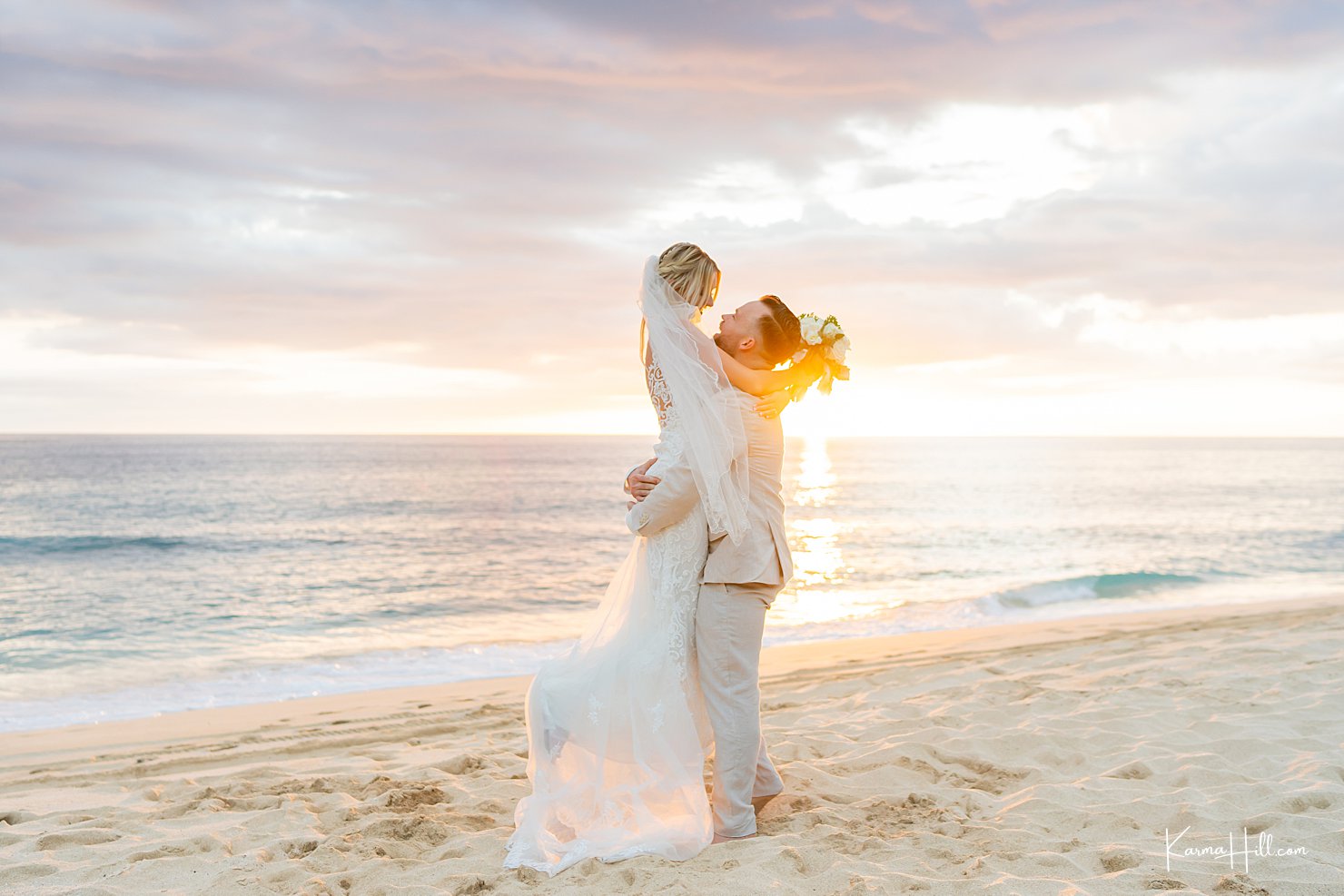
For many, a Hawaiian wedding is synonymous with a beach ceremony. Each island has specific regulations regarding beach permits (often referred to as Wiki Permits) to ensure the protection of the coastline. Famous stretches like Kaanapali in Maui or Lanikai Beach on Oahu offer turquoise waters and powdery sand.
If you prefer a more structured environment with the same views, resorts such as the Grand Hyatt Kauai Resort and Spa or Turtle Bay Resort provide oceanfront lawns. These venues offer the benefit of private property, meaning you have more control over the guest list and setup while still enjoying the sea breeze.
The Enchantment of the Interior
Beyond the sand, Hawaii offers inland venues that are equally captivating. Botanical gardens, such as the Foster Botanical Garden in Honolulu or the Allerton Garden on Kauai, showcase rare tropical flora and towering banyan trees. For a more rustic or “Upcountry” feel, the rolling hills of Waimea on Hawaii Island or the lavender farms of Kula on Maui offer a cooler climate and sweeping panoramic views of the coastline below.
Practical Travel Advice for Your Wedding Party
Planning a wedding in Hawaii is as much about the travel experience as it is about the ceremony itself. Managing the expectations and logistics for your guests is paramount to a successful trip.
Best Times to Visit
While Hawaii is a year-round destination, there are seasonal nuances to consider. The “dry” season generally runs from April to October, offering the most consistent sunshine for outdoor ceremonies. The “winter” months, from November to March, bring more rain, particularly to the windward (north and east) sides of the islands. However, this is also the time for whale watching and witnessing the massive swells on the North Shore of Oahu.
Travelers should also be mindful of peak seasons. The weeks around Christmas, New Year, and summer break see a significant influx of tourists, which can lead to higher prices for flights into Kahului Airport or Lihue Airport and limited availability for top-tier venues.
Local Etiquette and Cultural Respect
Getting married in Hawaii comes with a responsibility to respect the local culture and environment. The islands are home to many “heiau” (sacred temples) and ecologically sensitive areas. When traveling for your wedding, it is essential to follow “Leave No Trace” principles, especially during beach or trail ceremonies.
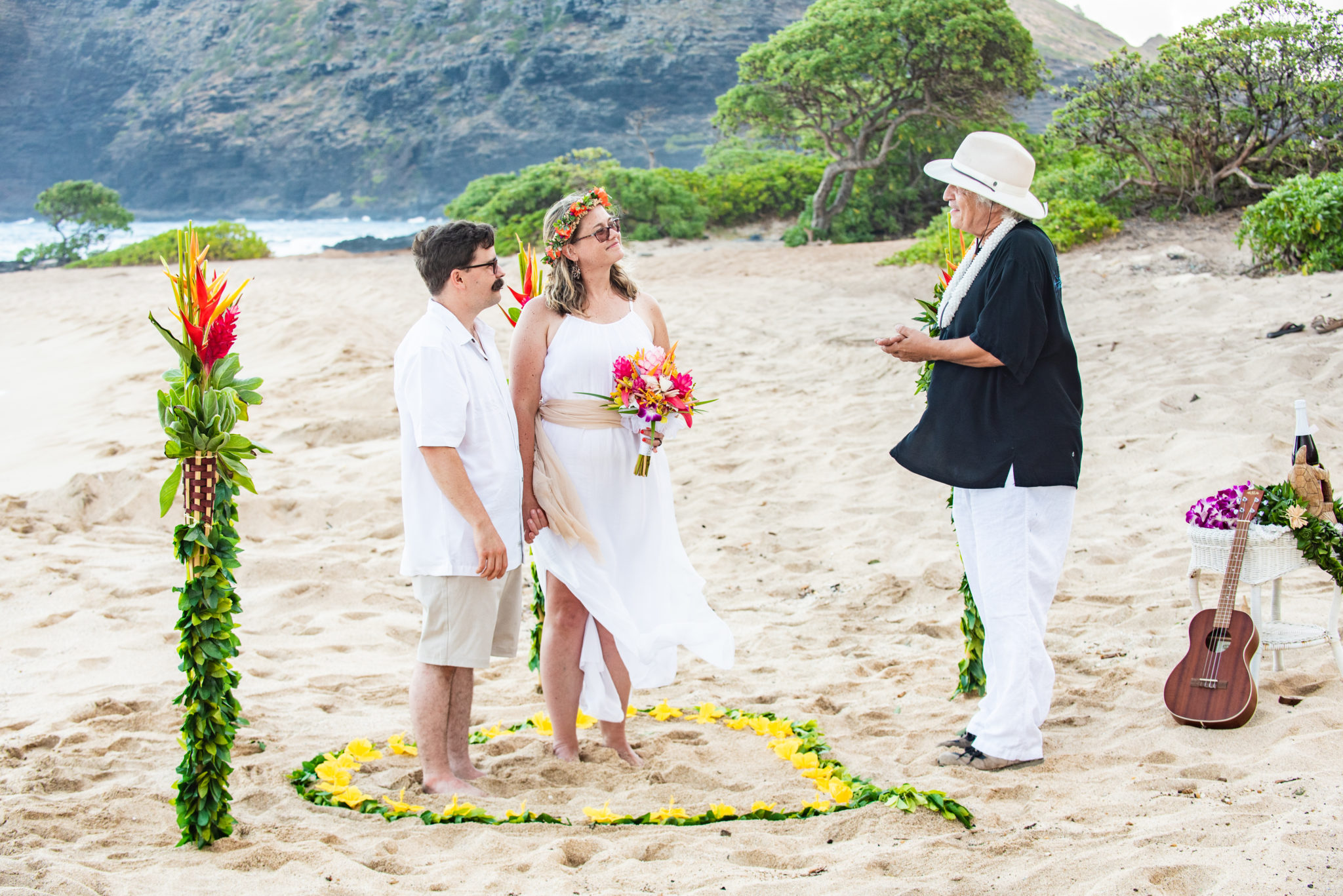
Incorporating local traditions, such as the exchange of leis or the blowing of the “pu” (conch shell), can add profound meaning to your ceremony. Many couples choose to work with local practitioners who can provide insight into the spiritual significance of the land, ensuring that the union is celebrated in harmony with the spirit of Aloha.
Exploring the Lesser-Known Islands
For those who have already explored the main hubs or seek even greater seclusion, Lanai and Molokai offer a glimpse into an older, quieter version of Hawaii.
Lanai: Private Luxury
Lanai was once a massive pineapple plantation and is now a sanctuary for luxury travelers. With only a few resorts, including the stunning properties at Manele Bay, it is the ultimate destination for a high-end, private wedding. The island’s unique landscapes, like the Garden of the Gods, provide otherworldly backdrops for photography.
Molokai: The Friendly Isle
Molokai remains the least developed of the visited islands. There are no traffic lights and no high-rise hotels. For the couple whose travel philosophy centers on authenticity and minimalist beauty, Molokai offers a raw, untouched experience. A ceremony here is a commitment to the simplicity of the islands and a deep respect for the traditional Hawaiian lifestyle.
From the bustling streets of Honolulu to the silent valleys of Kauai, Hawaii provides a diverse canvas for one of life’s most significant milestones. By understanding the legal requirements, choosing the island that reflects your spirit, and respecting the natural beauty of the archipelago, you ensure that your wedding is not just an event, but a transformational travel experience.
LifeOutOfTheBox is a participant in the Amazon Services LLC Associates Program, an affiliate advertising program designed to provide a means for sites to earn advertising fees by advertising and linking to Amazon.com. Amazon, the Amazon logo, AmazonSupply, and the AmazonSupply logo are trademarks of Amazon.com, Inc. or its affiliates. As an Amazon Associate we earn affiliate commissions from qualifying purchases.