
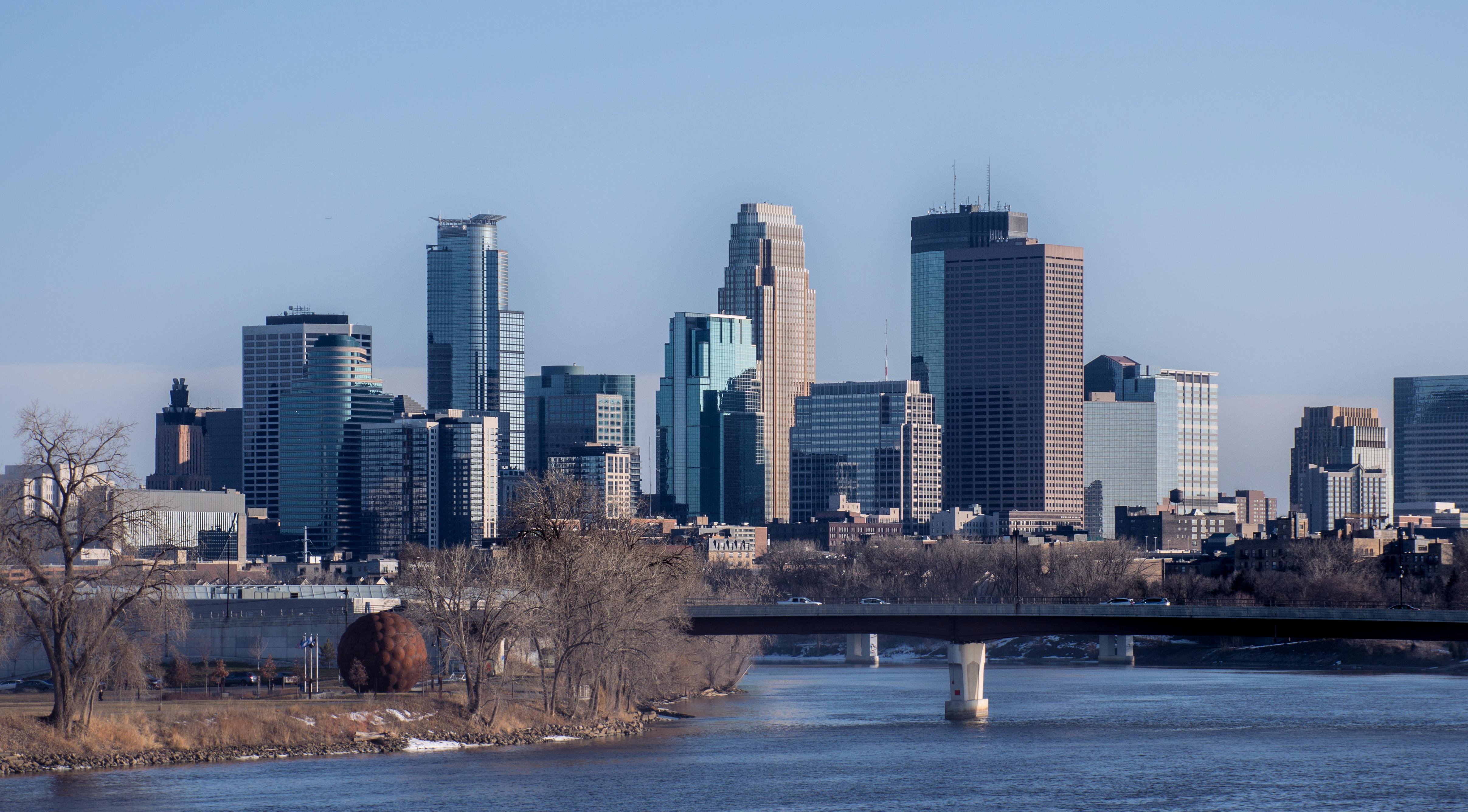
Minneapolis, the vibrant core of the Twin Cities metropolitan area, serves as a testament to Minnesota urban growth and cultural resilience. As the most populous city in the state, understanding its population dynamics requires looking beyond just the raw numbers. Current estimates place the city’s population at approximately 425,000 residents, a figure that anchors the larger seven-county Minneapolis-Saint Paul statistical area, which boasts a total population exceeding 3.7 million people. This density makes the region a critical hub for commerce, education, and social development in the United States.
The Demographic Fabric of the City
The population of Minneapolis is characterized by a rich tapestry of cultural backgrounds and socioeconomic diversity. Over the past few decades, the city has evolved into a global gateway, attracting individuals from across the globe.
A Multicultural Landscape
The city is home to significant immigrant communities, including the largest Somali population in the nation, as well as robust Hmong, Latino, and Southeast Asian communities. This diversity is not merely a statistical footnote; it shapes the very identity of neighborhoods such as Cedar-Riverside, where the intersection of global cultures creates a unique culinary and social atmosphere. These communities contribute significantly to the workforce and the cultural vitality of the city.
Generational Trends and Migration
Recent years have seen a shift in the age demographics of the city. Young professionals and students are increasingly drawn to the urban core, attracted by the burgeoning tech sector and the proximity to the University of Minnesota. While some families have historically migrated toward the suburban reaches of Hennepin County, the revitalization of downtown residential spaces has successfully retained a significant portion of the younger demographic. This influx of residents keeps the median age relatively young compared to other major Midwest cities.
Understanding the Growth Trajectory
The population of a city is never static; it is a breathing entity influenced by economic health, housing availability, and regional infrastructure. The growth of Minneapolis is intrinsically linked to the economic performance of Minnesota.
Economic Drivers of Migration
The presence of major corporate headquarters in the Twin Cities—such as those in the retail, healthcare, and financial sectors—serves as a primary magnet for talent. As companies expand, they draw specialized workers, contributing to a consistent demand for housing. The stability of the regional job market has historically acted as a buffer during economic downturns, ensuring that even when growth slows, the core population remains steady.

Housing and Urban Development
Population growth is often constrained by land use and housing density. Minneapolis has undergone significant zoning reforms designed to increase residential capacity. By focusing on multi-family housing and transit-oriented development near the METRO Light Rail, the city has positioned itself to accommodate a growing number of residents without sacrificing the green spaces and park systems that define the area. The balance between density and livability is a key factor that differentiates the city from other major North American urban centers.
Regional Significance within the Twin Cities
To truly grasp the scale of Minneapolis, one must view it in relation to its sister city, Saint Paul. Together, they form a unified metropolitan region that functions as a single labor and housing market.
The Dynamics of Twin Cities Connectivity
The relationship between the two cities is symbiotic. While Minneapolis is known for its soaring skyscrapers and fast-paced urban environment, Saint Paul offers a more traditional, historic approach to Midwestern living. Commuters flow freely between the two, facilitated by efficient public transit and highway systems. This synergy allows the region to punch above its weight class in terms of economic output and cultural influence, drawing from a shared population base that identifies strongly with the regional identity.
Impact of Suburban Integration
The broader population density of the Minneapolis-Saint Paul area is bolstered by suburbs like Bloomington and Minnetonka. These areas provide the residential infrastructure that supports the daytime workforce of the city. As Minneapolis continues to see a rise in luxury apartments and high-density condos, the urban-suburban divide is becoming increasingly porous, with many residents seeking the convenience of city life while remaining within reach of the quieter, sprawling suburban neighborhoods.
Future Outlook: Planning for 2030 and Beyond
As Minneapolis moves toward the next decade, urban planners are focused on sustainable growth and inclusivity. The goal is not merely to increase the head count, but to ensure that the city remains accessible to all.
Infrastructure and Sustainability
Sustainability is at the forefront of the city’s growth strategy. With the Mississippi River acting as a natural geographic boundary, development has been carefully managed to protect natural resources. Future population growth will likely be concentrated in areas that favor walking, biking, and public transit, reducing the overall carbon footprint of the average resident. This commitment to green living is a significant draw for a new generation of climate-conscious residents.

Cultural Preservation and Inclusivity
Maintaining the diversity that defines Minneapolis is a core pillar of the city’s long-term vision. Initiatives to support affordable housing in historically significant neighborhoods, such as the North Side, ensure that as the city grows in population, it does not lose its character or displace its long-term residents. The synergy between economic development and social equity will be the defining challenge for the city’s leadership as the population continues to climb toward projected peaks.
Ultimately, the population of Minneapolis is a reflection of its values. It is a city that balances the high energy of an urban hub with the neighborly warmth of the Midwest. Whether it is the influx of new students, the expansion of global corporate headquarters, or the integration of diverse cultural populations, the city remains a dynamic destination. As one explores the neighborhoods, from the historic districts to the newly developed riverside lofts, the vitality of the local population is evident. Minneapolis continues to prove that it is not just a city of numbers, but a community of people shaping the future of the American landscape. With a steady trajectory and a clear vision for sustainable urban living, the city is set to remain a pillar of the region for generations to come.
LifeOutOfTheBox is a participant in the Amazon Services LLC Associates Program, an affiliate advertising program designed to provide a means for sites to earn advertising fees by advertising and linking to Amazon.com. Amazon, the Amazon logo, AmazonSupply, and the AmazonSupply logo are trademarks of Amazon.com, Inc. or its affiliates. As an Amazon Associate we earn affiliate commissions from qualifying purchases.