
The Big Island of Hawaii, officially known as the Island of Hawaii, is a place of dramatic contrasts. From the snow-capped peaks of towering volcanoes to the black sand beaches kissed by the Pacific Ocean, this destination offers an unparalleled diversity of ecosystems. Unlike its more urbanized neighbors, the Big Island invites travelers to slow down, explore raw volcanic landscapes, and immerse themselves in a culture deeply rooted in the concept of malama aina—caring for the land. Whether you are a thrill-seeker, a history buff, or someone looking to reconnect with nature, the island provides a vast canvas for exploration.
Explore the Volcanic Wonders of Hawaii Volcanoes National Park
No trip to the Big Island is complete without visiting Hawaii Volcanoes National Park. As a UNESCO World Heritage site, it serves as the beating heart of the island’s geology. The park is home to two of the world’s most active volcanoes: Kilauea and Mauna Loa.
Hiking Across Ancient Lava Fields
Walking through the Thurston Lava Tube (Nāhuku) is a surreal experience that transports you into a subterranean world formed by cooling magma. After emerging from the forest canopy, take the Kilauea Iki Trail, a rigorous hike that descends into a solidified lake of lava. The contrast between the steam vents hissing around you and the stark, cratered landscape provides a humbling perspective on the power of the earth.
Driving the Chain of Craters Road
The Chain of Craters Road is a spectacular drive that descends thousands of feet from the summit area down to the rugged coastline. Along the route, travelers encounter vast, hardened lava flows that have swallowed sections of the old road, offering a visible timeline of the island’s constant expansion. The drive concludes at the Holei Sea Arch, a breathtaking natural formation carved by the relentless waves of the ocean.
Discover the Diverse Coastal Experiences
With over 260 miles of coastline, the Big Island offers beaches that defy expectations. Because of the island’s volcanic nature, the color of the sand can range from pure white and golden hues to pitch black and even rare green olivine crystals.
Punalu’u Black Sand Beach
Punalu’u Black Sand Beach is perhaps the most famous of the island’s dark-shored stretches. The sand is formed by rapidly cooled basaltic lava shattering into fine fragments upon contact with the sea. It is a favored basking spot for the endangered Hawksbill sea turtle and the Green sea turtle. While the sight is mesmerizing, it is vital to keep a respectful distance from these ancient creatures as they soak up the warmth of the black sand.
Hapuna Beach State Park
For those seeking the quintessential Hawaiian beach experience, Hapuna Beach State Park offers a massive half-mile expanse of soft, white sand. Located on the sun-drenched Kohala Coast, the waters here are generally calm and clear, making it an ideal location for swimming, bodyboarding, and sunbathing. The beach is expansive enough to never feel truly crowded, providing a serene backdrop for a day of relaxation under the tropical sun.
Papakolea Green Sand Beach
For the more adventurous, Papakolea Green Sand Beach is a geological marvel. Located near South Point, the southernmost point in the United States, this beach gets its distinct olive-green tint from the presence of olivine crystals eroded from the surrounding cinder cone. The trek to reach the beach is challenging but rewards visitors with a view of one of only four green sand beaches in the world.

Stargazing and Cultural Exploration at Mauna Kea
Rising 13,803 feet above sea level, Mauna Kea is not only the highest point in Hawaii but also home to the world’s most advanced astronomical observatories. The mountain’s summit is often above the cloud layer, providing incredibly stable and clear atmospheric conditions that are perfect for viewing the cosmos.
The Visitor Information Station
While the summit is restricted to specialized tours and research personnel, the Onizuka Center for International Astronomy (Visitor Information Station) provides an excellent opportunity for amateur astronomers. Each night, volunteers and staff set up telescopes, allowing visitors to see distant galaxies, nebulae, and the craters of the moon with remarkable clarity. The frigid mountain air is a stark reminder of the island’s vertical extremes, so dressing in layers is essential for any excursion to the mountain.
Hilo and Historic Culture
On the windward side of the island lies Hilo, a lush town known for its tropical gardens and historic charm. Visit the Lyman Museum and Mission House to gain a deeper understanding of the Polynesian voyagers who first settled these shores, or walk through the Rainbow Falls park to witness the powerful, mist-shrouded cascades that define the Hilo landscape. The town serves as a gateway to the Hamakua Coast, where dramatic cliffs and waterfalls meet the deep blue Pacific.
Marine Life and Underwater Adventures
The waters surrounding the Big Island are teeming with life, making it a world-class destination for snorkeling and scuba diving. The clarity of the ocean, combined with a healthy coral reef system, allows for incredible encounters with marine biodiversity.
Manta Ray Night Snorkeling in Kona
One of the most life-changing activities to do in Kona is joining a nighttime manta ray snorkel tour. These gentle giants, some with wingspans reaching twelve feet, feed on plankton in the nutrient-rich coastal waters. Snorkelers hold onto a floating board equipped with blue lights, which attract the plankton and lure the rays to swim inches beneath them. It is an ethereal experience that highlights the unique marine conservation efforts active across the Hawaiian Islands.
Snorkeling at Kealakekua Bay
Kealakekua Bay is a protected marine life conservation district that offers some of the best snorkeling in the state. Accessible by boat or a strenuous hike, the bay is the site of the Captain Cook Monument. The waters are exceptionally calm, showcasing vibrant coral reefs and schools of tropical fish, including the bright yellow tang and the humuhumunukunukuapua’a, Hawaii’s state fish.
Tips for Visiting the Big Island
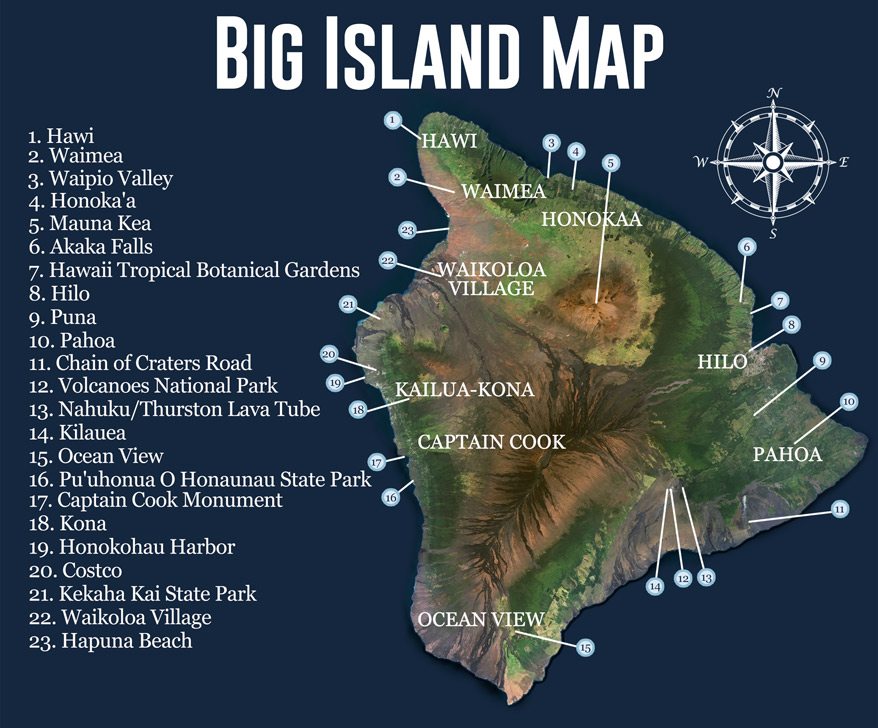
Traveling across such a large and varied island requires planning. Renting a vehicle is essential, as the island lacks a robust public transportation system. When navigating the island, keep in mind that the Saddle Road serves as the primary artery connecting the east and west sides, cutting through the high-altitude volcanic plains between Mauna Kea and Mauna Loa.
Respect for the environment is paramount; always use reef-safe sunscreen to protect the delicate coral ecosystems and never leave trash behind. Additionally, check for weather alerts if you plan on visiting the higher elevations, as conditions can change rapidly from sun-drenched beaches to freezing mist at the mountain summits. By embracing the rhythm of the island and honoring its natural beauty, your journey through the Big Island will be as enriching as it is memorable. Whether you are trekking through a rainforest or standing under the Milky Way at an observatory, the Big Island remains a testament to the raw, creative power of nature.
LifeOutOfTheBox is a participant in the Amazon Services LLC Associates Program, an affiliate advertising program designed to provide a means for sites to earn advertising fees by advertising and linking to Amazon.com. Amazon, the Amazon logo, AmazonSupply, and the AmazonSupply logo are trademarks of Amazon.com, Inc. or its affiliates. As an Amazon Associate we earn affiliate commissions from qualifying purchases.