
For travelers and business professionals coordinating across time zones, understanding the temporal heartbeat of Minneapolis is essential. Located in the Central Time Zone of the United States, this vibrant city serves as a critical nexus for commerce and culture in the Midwest. Whether you are scheduling a conference call from London, booking a flight from Tokyo, or planning your itinerary for a weekend getaway to the Twin Cities, knowing the current time is the first step in successful trip logistics.
Navigating Time Zones in the Midwest
Minneapolis operates primarily on Central Standard Time (CST) during the winter months and transitions to Central Daylight Time (CDT) from mid-March through early November. This shift is a standard practice across the North American continent, designed to optimize daylight hours during the warmer seasons.

The Impact of Daylight Saving Time
When you are looking at the clock in Minnesota, it is important to remember that the state observes the shift forward in the spring and back in the fall. For visitors arriving from regions that do not observe Daylight Saving Time, or from countries in the Southern Hemisphere where seasons are reversed, this can cause significant confusion during the transition weeks. Always double-check your digital devices, which generally handle this transition automatically, but rely on localized web servers for the most accurate, real-time conversion.
Coordinating Across Borders
If you are planning a journey from Europe or Asia, keep in mind that the United States often adjusts its clocks on different dates than other nations. A gap of one or two weeks can exist where your home time may be an hour off from what you might expect based on year-round calculations. Always verify the specific UTC offset for Minneapolis relative to your departure point before confirming your travel schedule.
Planning Your Arrival in the Twin Cities
Time management is a pillar of a successful travel experience. Whether you are flying into Minneapolis-Saint Paul International Airport, the city offers a plethora of activities that require strategic planning to fully enjoy. Knowing the local time helps you synchronize with the opening and closing hours of major cultural institutions and dining establishments.
The Importance of Local Business Hours
Most retail outlets in the Mall of America and cultural sites like the Minneapolis Institute of Art operate on strict schedules aligned with local time. If you arrive late in the afternoon, you may find that some specialized tours or boutique shops have already ceased operations for the day. Understanding the time difference allows you to maximize your morning, which is often when the city is most energetic and accessible.
Dining and Nightlife Schedules
The culinary scene in Minneapolis is highly active, but it follows the typical Midwestern rhythm. Lunch service generally peaks between 11:30 AM and 1:30 PM local time. Dinner reservations at high-end restaurants in the North Loop district are best made for the 7:00 PM block. If you are arriving from a vastly different time zone, consider a “soft landing” day where you allow your internal clock to adjust to the Central Time zone before diving into a jam-packed schedule of sightseeing.
Optimizing Your Itinerary for Local Time
To truly experience the character of this Minnesota hub, you must align your pace with the city. The Mississippi River waterfront, for instance, offers a much different atmosphere at dawn than it does at dusk. By understanding exactly what time it is in the city, you can better time your visits to natural landmarks.
Maximizing Daylight for Sightseeing
During the summer months, the Central Time zone experiences long, beautiful twilights. Visitors often find that they have more hours of usable light than they anticipated. This is the perfect time to explore the Chain of Lakes or take a walking tour through the historic streets of Saint Paul.
Seasonal Adjustments
- Summer: Enjoy outdoor concerts and park activities until the late evening.
- Winter: The sun sets early, turning the city into a cozy winter landscape. This is the prime time to explore indoor attractions like the Skyway System, which allows you to navigate the downtown area without ever stepping into the freezing temperatures.
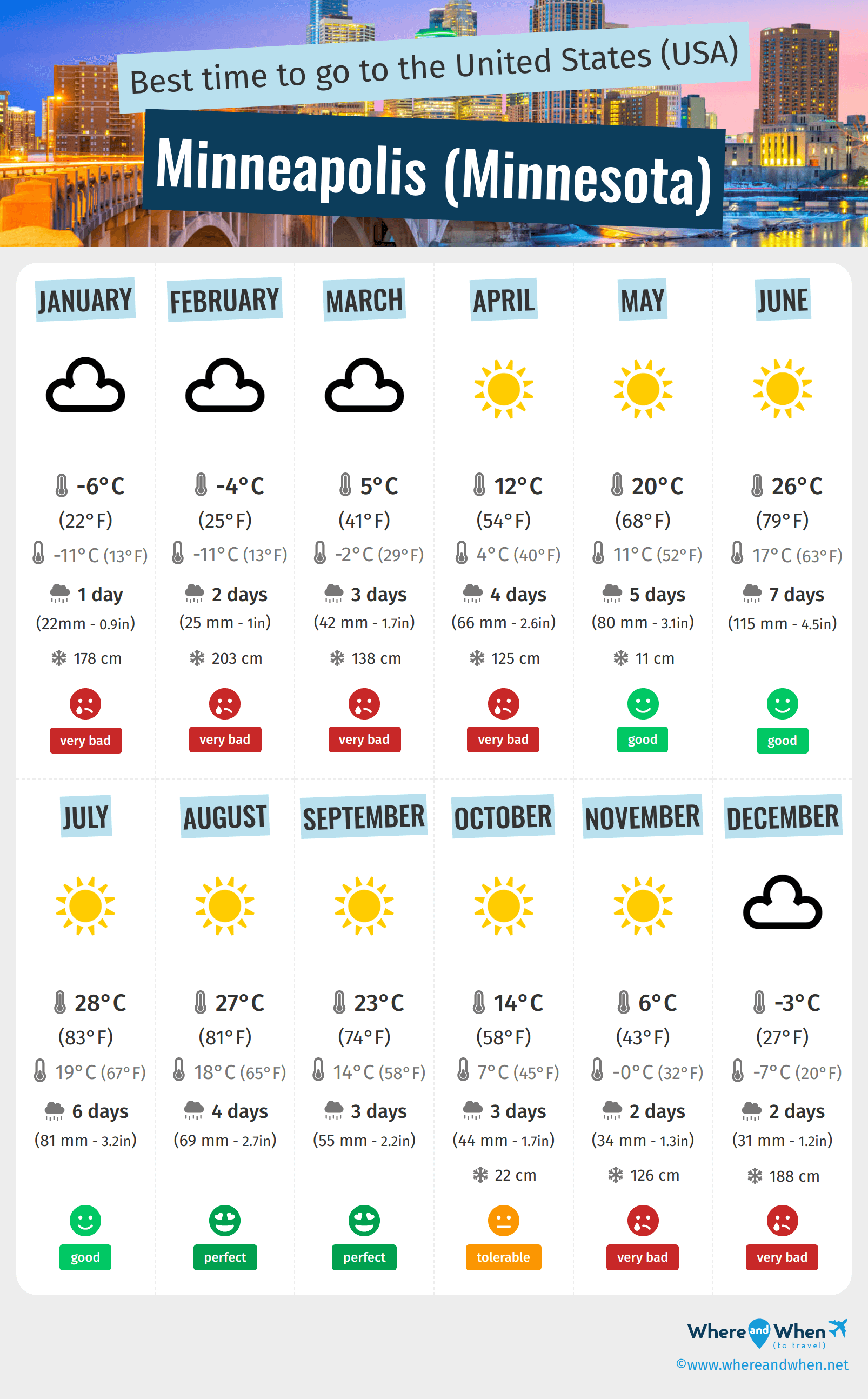
Planning your movement through the city based on the specific time of year will drastically improve the quality of your trip. While the time on your watch remains the same, the way Minneapolis functions changes significantly with the calendar.
Digital Tools for Temporal Accuracy
In the modern era, staying synced with local time is easier than ever, yet requires a disciplined approach to avoid travel fatigue.
Leveraging Technology
When traveling to Minneapolis, consider setting your smartphone to display dual clocks. This allows you to view your home time and the local Central Time simultaneously. Most modern operating systems allow you to add “world clocks” to your widget screen. This is particularly useful for international travelers who need to keep track of business hours back home in cities like New York or Los Angeles.

Managing Jet Lag
Adjusting to the local time effectively is about more than just watching the clock; it is about biology. Upon arrival in Minnesota, immediately adopt local meal times. If you arrive in the morning, resist the urge to nap. Step outside, visit a local café near the Stone Arch Bridge, and expose yourself to the natural light. This helps your circadian rhythm align with the Central Time zone much faster than staying in your hotel room.
By prioritizing an understanding of time and local habits, you transform from a mere visitor into an informed explorer. Whether you are here for the business of the Twin Cities or the natural beauty of the Midwest, success starts with being in the right place at the right time.
LifeOutOfTheBox is a participant in the Amazon Services LLC Associates Program, an affiliate advertising program designed to provide a means for sites to earn advertising fees by advertising and linking to Amazon.com. Amazon, the Amazon logo, AmazonSupply, and the AmazonSupply logo are trademarks of Amazon.com, Inc. or its affiliates. As an Amazon Associate we earn affiliate commissions from qualifying purchases.