
Nestled in the heart of the American Midwest, the University of Kansas is one of the nation’s most distinguished public research institutions. For prospective students, academic travelers, and history enthusiasts, locating this historic campus is the first step toward exploring a vibrant academic community. But where precisely is this flagship university situated, and what makes its geographic footprint so unique? Let us explore the exact positioning, regional geography, and architectural legacy of this iconic landmark.
The Geographic Heart of Lawrence, Kansas
The primary campus of the University of Kansas, affectionately known as KU, is located in Lawrence, Kansas. Situated in northeastern Kansas, Lawrence sits roughly 40 miles west of Kansas City and about 30 miles east of Topeka, the state capital.

The Famous Mount Oread
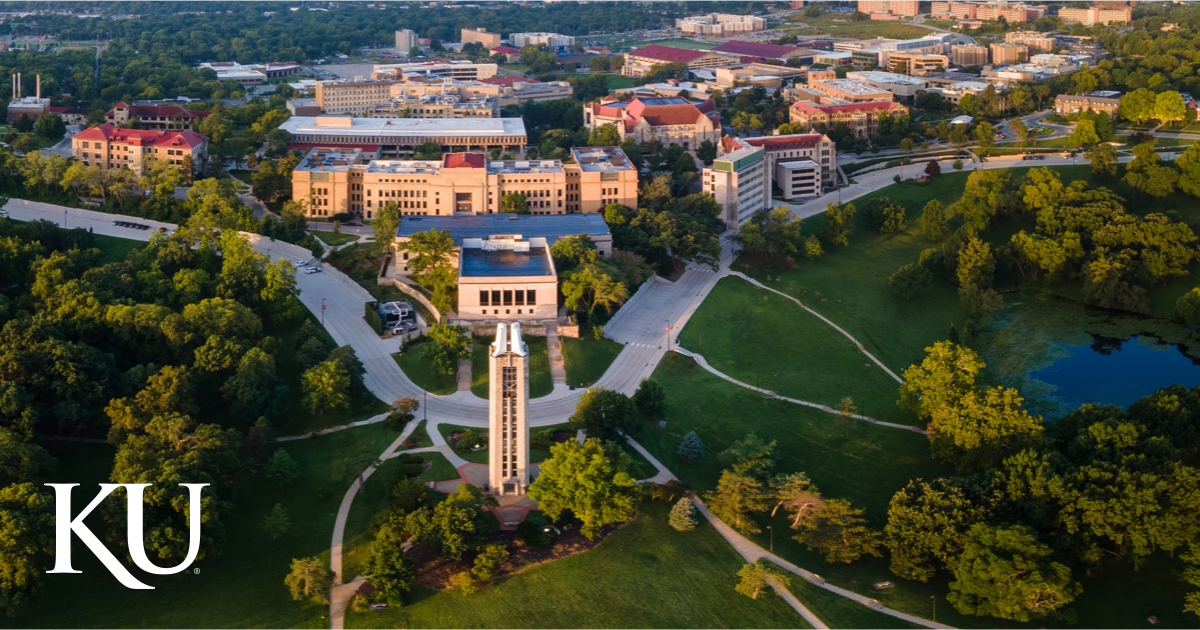
When people ask about the exact location of the university, locals will almost always point them toward Mount Oread. This prominent ridge rises above the surrounding plains and the Kansas River valley, serving as the dramatic focal point for the campus.
- Elevation and Views: Perched high on the ridge, academic buildings offer sweeping views of the surrounding rolling hills.
- The Historic Core: The highest point of the ridge, often referred to as the campus spine, is home to some of the oldest and most architecturally significant structures at the university.
Accessibility and Regional Proximity
Geographically, the university’s location places it at a major crossroads of the American Midwest.
- Air Travel: Travelers typically fly into Kansas City International Airport, located approximately an hour’s drive northeast of Lawrence.
- Highway Access: The city is easily accessible via Interstate 70, making road trips from neighboring states seamless and straightforward.
- Proximity to Urban Centers: While Lawrence maintains a distinct, independent college-town atmosphere, its proximity to Kansas City grants students and visitors access to major metropolitan amenities, professional sports teams, and cultural districts.
Exploring the Landmark Campus and Its Architecture
Beyond its coordinates on a map, the University of Kansas is defined by its stunning campus layout and rich historical landmarks. The physical location of the university is as much a visual experience as it is a geographical fact.
Iconic Buildings on Mount Oread
The architecture of the campus tells the story of more than 150 years of higher education in the Midwest. Visitors walking along the historic paths will encounter several landmark structures:
- Fraser Hall: Serving as a prominent visual anchor, this building stands on the site of the original university structure and houses various academic departments.
- Strong Hall: Recognized by its stately neoclassical columns, Strong Hall is the administrative heart of the institution and offers one of the best vantage points for viewing the surrounding landscape.
- The Campanile: Officially known as the World War II Memorial Campanile, this soaring bell tower stands at the edge of the hill, playing carillon concerts and serving as a memorial to fallen alumni.
Natural Beauty and Green Spaces
The campus spans over 1,000 acres, integrating natural beauty with academic facilities.
- Potter Lake: Tucked into the hillside below the main ridge, this scenic body of water provides a tranquil retreat for students and wildlife alike.
- Coupled Landscapes: The integration of native prairie grasses, mature shade trees, and meticulously manicured gardens makes the campus a designated arboretum.
Beyond Lawrence: Extended Campuses and Medical Centers
While the main campus in Lawrence is the most famous, the University of Kansas footprint extends well beyond a single location. To fully understand where the university is located, one must look at its multi-site educational system across the state.
The KU Medical Center in Kansas City
Healthcare education, clinical research, and patient care take place at a separate, specialized campus.
- Location: Situated in Kansas City, Kansas, specifically within the Westwood and Rosedale neighborhoods.
- Significance: This urban campus houses the School of Medicine, School of Nursing, and School of Health Professions, operating in close partnership with the University of Kansas Hospital.
Additional Regional Sites
To serve students across the state, the university maintains operations and educational facilities in other key locations:
- Overland Park: Home to the KU Edwards Campus, which caters primarily to adult learners, transfer students, and working professionals in the Kansas City metropolitan area.
- Wichita and Salina: Clinical campuses for medical students completing their third and fourth years of training in central and western Kansas.
Visiting the University of Kansas: A Traveler’s Guide
For those planning a trip to explore this historic landmark, understanding the local setting enhances the travel experience. Lawrence is widely celebrated as one of the quintessential college towns in the United States, offering a blend of academic prestige and vibrant local culture.
Points of Interest for Visitors
When navigating the university and its surrounding community, several stops are essential for any itinerary:
- Spencer Museum of Art: Located right on the main campus, housing a world-class collection of visual art spanning centuries and continents.
- Natural History Museum: Housed in Dyche Hall, showcasing biodiversity, paleontology, and the famous panorama of North American mammals.
- Memorial Stadium: One of the oldest collegiate football stadiums in the country, steeped in historic athletic traditions.
- Mass Street: Just down the hill from the campus, Massachusetts Street serves as the vibrant downtown commercial district filled with local restaurants, independent bookstores, and boutique shops.

Seasonal Considerations
The location of the university experiences all four distinct seasons of the American Midwest, each offering a unique perspective for travelers:
- Autumn: Crisp air, changing foliage along Mount Oread, and the electric energy of game days draw crowds from across the region.
- Spring: Blooming flowerbeds, mild temperatures, and outdoor campus events showcase the grounds at their finest.
- Winter: Snow-dusted limestone buildings create a picturesque, serene academic landscape.
- Summer: A quieter period on the hill, ideal for architectural tours and relaxed exploration without the bustling crowds of the academic year.
The University of Kansas is more than just a set of coordinates in the American heartland; it is a historic landmark perched high above the Kansas landscape, blending academic excellence with the warm, welcoming spirit of Lawrence. Whether you are arriving for a campus tour, a research conference, or a weekend getaway, finding your way to Mount Oread is the gateway to discovering a rich tapestry of history, culture, and Midwestern hospitality.
LifeOutOfTheBox is a participant in the Amazon Services LLC Associates Program, an affiliate advertising program designed to provide a means for sites to earn advertising fees by advertising and linking to Amazon.com. Amazon, the Amazon logo, AmazonSupply, and the AmazonSupply logo are trademarks of Amazon.com, Inc. or its affiliates. As an Amazon Associate we earn affiliate commissions from qualifying purchases.