
Understanding the local time in Minneapolis is essential for anyone planning a journey to this vibrant Midwestern hub. Whether you are coordinating a business meeting, scheduling a visit to a local museum, or simply trying to catch a flight at Minneapolis-Saint Paul International Airport, precision matters. As the largest city in Minnesota, Minneapolis operates on Central Time, adhering to standard seasonal adjustments that dictate the rhythm of life in the United States.
Understanding Central Time and Seasonal Shifts
Minneapolis is situated within the Central Time Zone, often abbreviated as CST (Central Standard Time) or CDT (Central Daylight Time). This geographical positioning places it one hour behind the Eastern Time Zone and two hours ahead of the Pacific Time Zone. For travelers arriving from New York or Los Angeles, accounting for this time difference is a critical step in ensuring a smooth transition upon arrival.

The Impact of Daylight Saving Time
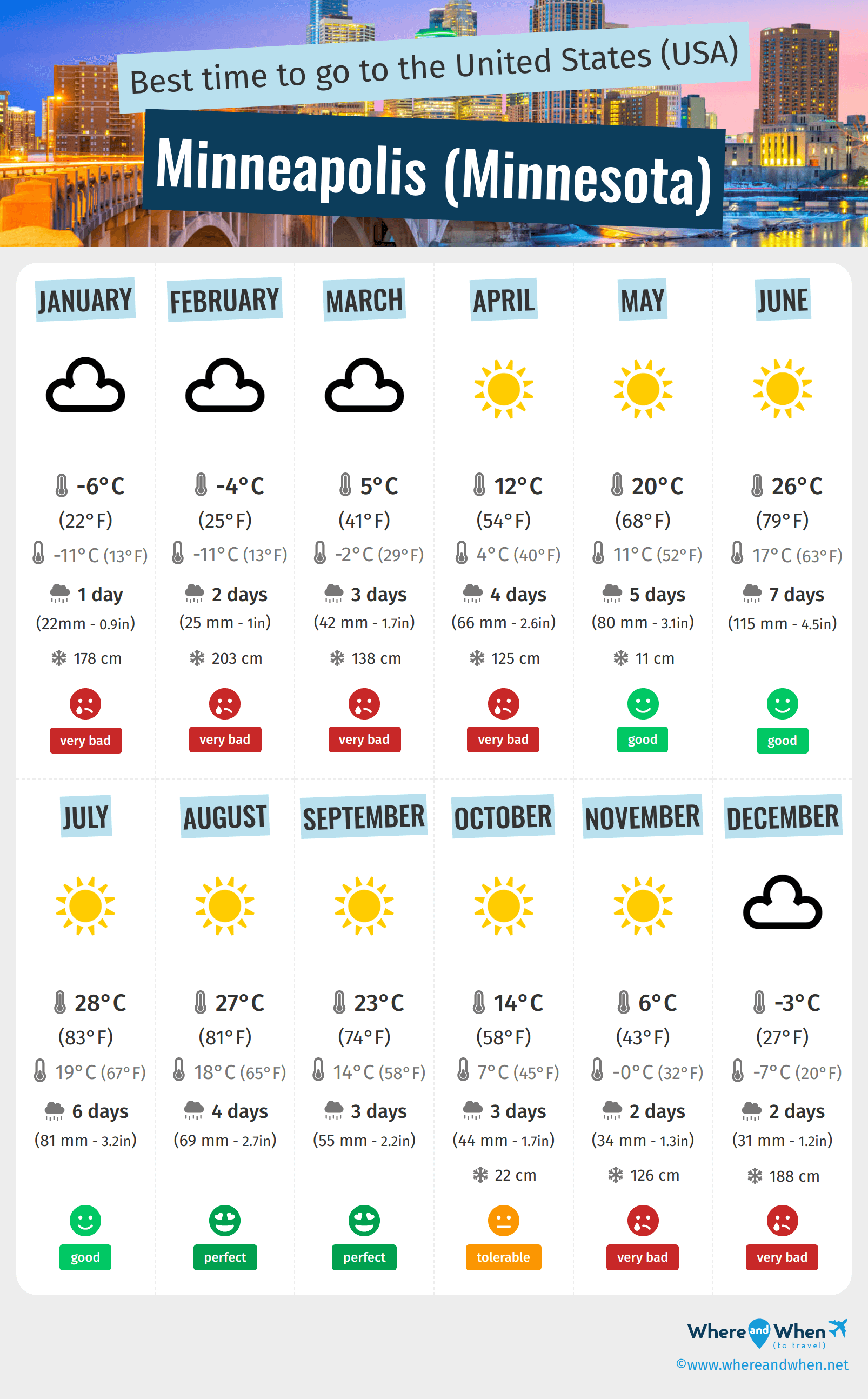
Like most regions in the United States, Minneapolis observes Daylight Saving Time. This means the clocks “spring forward” by one hour on the second Sunday of March and “fall back” by one hour on the first Sunday of November. During the warmer months, the city experiences extended daylight, which is perfect for exploring attractions like the Chain of Lakes or biking along the Mississippi River. Conversely, the winter months bring shorter days, prompting a shift in how locals and visitors alike engage with the city’s indoor cultural centers, such as the Minneapolis Institute of Art.
Coordination for Business and Travel
For those traveling for professional reasons, keeping track of the current time in Minneapolis is vital for synchronizing schedules. If you are flying in from Chicago, you will notice that the time remains the same, as both major cities exist within the same time zone. However, if you are arriving from international destinations or the West Coast, it is recommended to adjust your watch or digital devices as soon as you land to avoid missing reservations at renowned dining spots or cultural landmarks like the Walker Art Center.
Planning Your Itinerary Around Local Time
Effective trip planning requires more than just knowing what time it is; it requires understanding how that time impacts the accessibility of local attractions. Minneapolis offers a diverse array of experiences, and their operating hours are strictly governed by the local clock.
Morning Activities and Coffee Culture
The day in Minneapolis typically begins early. Local coffee shops and bakeries start serving bustling morning crowds by 7:00 AM. If you are an early riser, catching the sunrise over the Stone Arch Bridge is an experience that defines the local aesthetic. Because businesses in the downtown core often cater to commuters, keeping an eye on the clock ensures you can enjoy a quiet morning before the midday rush begins.
Afternoon Exploration and Peak Hours
Between the hours of 12:00 PM and 4:00 PM, the city truly comes alive. This is the optimal window to visit the Mall of America, located just a short distance away in Bloomington. Navigating popular tourist sites during peak afternoon hours means you should plan for potential crowds. If you prefer a more serene experience, time your visit to the Minneapolis Sculpture Garden during the mid-morning hours or late afternoon to enjoy the iconic Spoonbridge and Cherry without the bustle of midday tourists.
Evening Dining and Nightlife
The evening hours in Minneapolis bring a transformation to the city’s culinary landscape. Most restaurants begin their dinner services at 5:00 PM, with reservations becoming increasingly difficult to secure after 7:00 PM. If you are looking to explore the vibrant nightlife of the North Loop district, be aware that venues often feature live music and entertainment that run well past the standard working hours. Being mindful of the local time ensures you don’t miss out on the last call or the final curtain call at the historic State Theatre.
Seasonal Time Management Tips
The weather in Minnesota is famously dynamic, and the time of year heavily influences how one should manage their schedule.
Navigating Winter Time
During the winter months, when the sun sets much earlier, the concept of “local time” takes on a different meaning. Many outdoor attractions close or limit their hours as the temperature drops. Travelers should focus their schedules on indoor activities, such as exploring the extensive Skyway System. This climate-controlled network of bridges connects various downtown buildings, allowing you to move through the city efficiently regardless of the time or the weather outside.
Maximizing Summer Days
Conversely, summer in Minneapolis offers nearly 15 hours of daylight. This provides a unique opportunity to pack more into your itinerary. You can spend your morning at Minnehaha Falls, your afternoon at the Guthrie Theater, and still have plenty of time to enjoy a late-evening boat ride on Lake Calhoun. When the sun sets late, local life persists outdoors, and you will find that dining patios and public parks remain populated well into the evening.

Adjusting to Jet Lag
Regardless of when you arrive, shifting your internal clock to match Minneapolis time is key to enjoying your stay. For travelers arriving from Europe or Asia, the time difference can be significant. It is often helpful to align your first day’s activities with local time immediately—staying awake until a standard local bedtime and waking up at a local hour—to minimize the impact of travel fatigue. Utilizing the city’s walkability and natural beauty can act as a natural stimulant, helping you acclimate to the rhythm of this Midwestern gem more quickly.
Ultimately, whether you are visiting for the architecture, the food, or the culture, being in sync with the local time allows you to move with the flow of Minneapolis. By respecting the local schedule and planning around the seasonal nuances, you ensure that every moment spent in this city is maximized to its fullest potential. From the first morning coffee to the final evening stroll through Downtown Minneapolis, the time you spend here is defined by your ability to embrace the local pace.
LifeOutOfTheBox is a participant in the Amazon Services LLC Associates Program, an affiliate advertising program designed to provide a means for sites to earn advertising fees by advertising and linking to Amazon.com. Amazon, the Amazon logo, AmazonSupply, and the AmazonSupply logo are trademarks of Amazon.com, Inc. or its affiliates. As an Amazon Associate we earn affiliate commissions from qualifying purchases.