
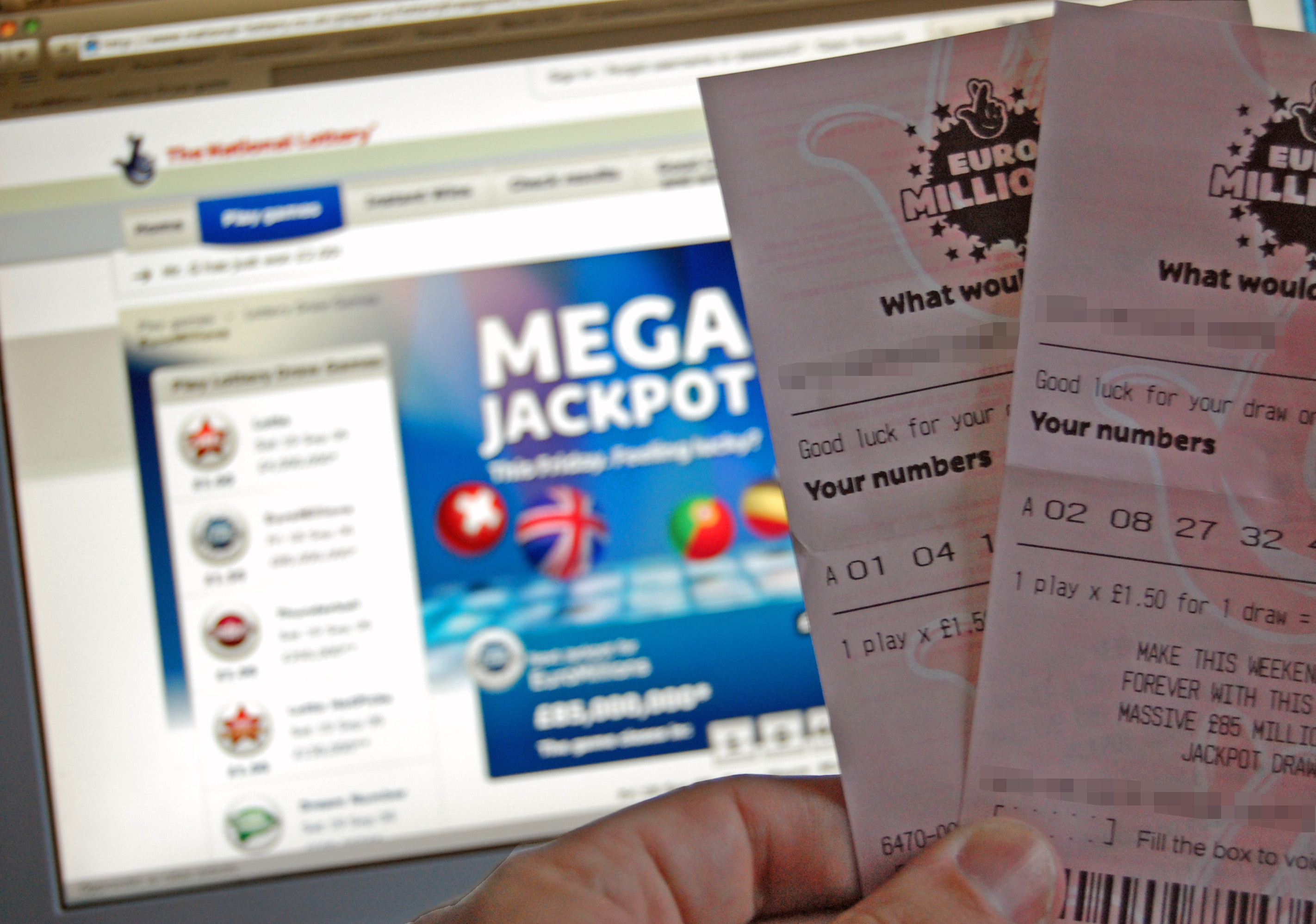
When travelers prepare for a vacation to the United States most isolated archipelago, they often imagine pristine beaches, swaying palm trees, and the rhythmic beat of a traditional luau. However, for those who enjoy the thrill of a scratch-off ticket or the anticipation of a multi-state jackpot drawing, a common question arises: Does Hawaii have a lottery? The short and definitive answer is no. Hawaii is one of only five states in the country that does not operate a government-sanctioned lottery, joining the ranks of Utah, Alabama, Alaska, and Nevada.
For tourists visiting Honolulu or the lush valleys of Kauai, this absence of gambling is often a surprising discovery. While many destinations use lottery revenue to fund public education or infrastructure, the cultural and legal landscape of the islands has remained steadfastly opposed to the practice. Understanding why this is the case—and how it shapes the local tourism experience—offers a fascinating glimpse into the values of the Pacific Ocean paradise.

The Cultural and Historical Roots of the Gambling Ban
To understand why you won’t find a Powerball or Mega Millions ticket at a convenience store in Waikiki, one must look at the history of the islands. The resistance to gambling is deeply rooted in a combination of missionary influence, social concerns, and a desire to preserve the unique “Aloha Spirit.”
Missionary Influence and Social Morality
In the 19th century, Christian missionaries arrived in Hawaii and had a profound impact on the legal and moral framework of the Kingdom of Hawaii. Their teachings emphasized hard work, thrift, and the avoidance of “vices” like gambling and alcohol. This moral stance was eventually codified into law and has persisted through the transition to a territory and, finally, the 50th state.
Local leaders have long argued that a lottery would disproportionately affect lower-income residents, siphoning money away from families and into a game of chance. This protectionist mindset is a significant part of the local culture, where community welfare often takes precedence over individual windfalls.
Preserving the Aloha Spirit
For many residents of Oahu and Maui, the idea of a lottery feels antithetical to the islands’ brand. Tourism in Hawaii is built on natural beauty, cultural heritage, and relaxation. There is a prevailing fear that introducing gambling—even in the form of a lottery—would open the door to larger casinos, potentially changing the character of the islands from a family-friendly sanctuary to something more akin to a tropical Las Vegas.
Tourism Impacts: Navigating a State Without Gambling
For visitors, the lack of a lottery means that the “gambling itch” must be scratched elsewhere. However, this policy actually enhances certain aspects of the tourism experience by focusing attention on authentic local activities rather than the distractions of gaming.
The “Ninth Island” Connection
Interestingly, despite the ban on gambling within the state, Hawaii residents are among the most frequent visitors to Las Vegas. In fact, Las Vegas is often referred to as the “Ninth Island.” Because there are no legal outlets for gambling in Honolulu, locals often save their “luck” for trips to the California Hotel and Casino or other venues in Nevada.
For tourists coming from states like California or New York, where lottery tickets are sold at every corner, the absence is noticeable. It creates a cleaner, less commercialized feel in local bodegas and supermarkets. Instead of lines for the latest jackpot, you’re more likely to find residents and tourists alike lining up for fresh poke or shave ice.
Tips for Travelers Seeking Entertainment
If you are someone who enjoys the thrill of the win, Hawaii offers a different kind of “jackpot.” Instead of financial gain, the rewards here are experiential. Visitors are encouraged to trade their lottery budget for high-value tourism experiences that offer a guaranteed return on investment in the form of memories.
- Cultural Immersion: Spend an evening at the Polynesian Cultural Center to learn about the diverse histories of the Pacific.
- Historical Exploration: Take a somber and educational trip to Pearl Harbor or explore the regal halls of Iolani Palace, the only royal palace on United States soil.
- Natural Wonders: Hike the trails of Diamond Head for a panoramic view of the coastline, or drive the scenic Road to Hana on Maui.
The Economic Debate: Why No Lottery?
The debate over whether to establish a lottery in Hawaii surfaces almost every year in the state legislature. Proponents argue that the state is “leaving money on the table” that could be used for critical infrastructure or to lower the cost of living for residents.
Potential Revenue vs. Social Costs
Economists often point out that residents of Hawaii spend millions of dollars annually on illegal gambling or on trips to Las Vegas. A state lottery could, in theory, keep that money within the local economy. However, the counterargument remains strong: the social costs of gambling—including addiction and the financial strain on vulnerable populations—outweigh the potential tax revenue.
Furthermore, the tourism industry, which is the backbone of the economy in Honolulu and beyond, generally supports the status quo. The “Hawaii Brand” is one of health, nature, and outdoor adventure. Introducing gambling elements could dilute that message, potentially alienating the family-oriented travelers who frequent resorts on the Big Island or Kauai.
Shipping and Legal Hurdles
Even if a lottery were approved, the logistics of a multi-state game would be complex given Hawaii’s isolation. While technology has made digital play easier, the physical presence of lottery machines and the transport of materials would require a significant overhaul of local retail operations. Currently, there is no infrastructure in place to support such a system.
Hawaiian Alternatives to “Winning Big”
If you find yourself missing the excitement of a lottery draw, redirect that energy into the myriad of world-class activities the islands provide. The true “lottery” in Hawaii is the chance to witness its incredible biodiversity and cultural richness.
Wildlife Encounters
Instead of looking for winning numbers, look for the Green Sea Turtle basking on the shores of the North Shore. Visiting Hanauma Bay offers a visual jackpot of colorful marine life. During the winter months, a whale-watching tour off the coast of Maui provides the thrill of seeing a Humpback Whale breach—a spectacle far more rewarding than any scratch-off.
The Beauty of the Islands
Each island offers a unique “prize” for those willing to explore:
- Kauai: Witness the “Grand Canyon of the Pacific” at Waimea Canyon.
- Maui: Watch the sunrise from the summit of Haleakala.
- Big Island: Stand atop Mauna Kea and look at the stars through some of the world’s most powerful telescopes.
- Molokai: Experience the untouched beauty of the world’s tallest sea cliffs.

Conclusion for the Curious Traveler
While the answer to “Does Hawaii have a lottery?” is a firm no, the absence of gambling is part of what makes the islands such a distinct destination within the United States. It is a place where the economy and the law have chosen to prioritize a specific type of lifestyle and tourism—one that values the environment and the community over the fast-paced allure of gaming.
For the tourist, this means a vacation free from the neon lights of casinos or the clutter of lottery advertisements. It allows for a deeper connection with the land and the people. So, while you won’t be able to buy a ticket to win millions in Honolulu, you might find that the experiences you gain on the islands are worth far more than any cash prize. Whether you are snorkeling in Hanauma Bay or watching a sunset in Waikiki, you have already won the traveler’s lottery just by being there.
LifeOutOfTheBox is a participant in the Amazon Services LLC Associates Program, an affiliate advertising program designed to provide a means for sites to earn advertising fees by advertising and linking to Amazon.com. Amazon, the Amazon logo, AmazonSupply, and the AmazonSupply logo are trademarks of Amazon.com, Inc. or its affiliates. As an Amazon Associate we earn affiliate commissions from qualifying purchases.