
For travelers and business professionals coordinating across time zones, understanding the local clock in Minneapolis is essential for seamless planning. Situated in the Central Time Zone of the United States, this vibrant city serves as a pivotal hub in the Midwest. Whether you are scheduling a dinner reservation near the Mississippi River or coordinating a conference call with international partners, knowing the precise time is the first step toward a successful visit.
Navigating Time Zones and Seasonal Shifts
The rhythm of life in Minnesota is governed by Central Standard Time (CST) during the winter months and shifts to Central Daylight Time (CDT) during the spring, summer, and early autumn. This transition, commonly known as Daylight Saving Time, ensures that the city maximizes its sunshine, particularly during the long, beautiful summer days that define the local experience.

The Impact of Daylight Saving Time
It is crucial for visitors to remember that on the second Sunday in March, the clocks “spring forward” one hour, moving from CST to CDT. Conversely, on the first Sunday in November, the clocks “fall back” one hour, returning to CST. If you are arriving from a region that does not observe these shifts, such as certain parts of Arizona or Hawaii, or international locations, this transition can create a temporary discrepancy in your scheduling. Always double-check your arrival time against local time, especially if your itinerary involves catching an early morning flight out of Minneapolis-Saint Paul International Airport.
Syncing Your Schedule
For business travelers, the time difference can be the difference between a productive meeting and a missed opportunity. If you are traveling from the East Coast, you are likely losing or gaining an hour depending on the season, as those cities operate on Eastern Time. Similarly, visitors arriving from the West Coast face a two-hour difference. Utilizing digital tools that allow you to pin the local time of this North American destination on your phone or computer will help keep your internal clock aligned with the city’s pace.
Timing Your Visit to Minneapolis Attractions
Knowing the time is only half the battle; knowing when to visit the city’s premier attractions is what separates a tourist from a seasoned traveler. The city offers a unique blend of cultural institutions, outdoor spaces, and urban marvels that operate on specific seasonal and daily schedules.
Maximizing Your Daylight Hours
During the summer, the sun stays out well into the evening, providing ample time to explore the Chain of Lakes. Whether you are paddleboarding on Bde Maka Ska or cycling around Lake Harriet, the extended daylight allows for a slower, more immersive pace. In contrast, winter visits require a different strategy. The city is famous for its Skyway System, an extensive network of climate-controlled pedestrian bridges that connect major office buildings, retail spaces, and hotels. Knowing that these pathways are most active during business hours can help you navigate the downtown core without ever stepping into the biting cold.
Planning for Popular Landmarks
If your itinerary includes a visit to the Minneapolis Institute of Art, keep in mind that gallery hours often differ from standard retail hours. Checking the local time and the specific opening times of institutions like the Walker Art Center or the Guthrie Theater is recommended before heading out. Being at the right place at the right time ensures you don’t find yourself standing at a closed door during a rare moment of local exploration.
Coordinating Travel Logistics and Dining
The culinary scene in Twin Cities is legendary, ranging from James Beard Award-winning establishments to hidden neighborhood gems. Dining culture here often hinges on reservations, and being punctual is highly valued by local restaurateurs.
The Importance of Reservations
As evening approaches, the city’s restaurants become the centerpiece of social life. If you are planning to dine in areas like the North Loop or Uptown, aim to have your schedule synced precisely. High-demand venues often require bookings weeks in advance, and they typically enforce strict arrival windows. Missing your slot by even fifteen minutes due to a time-zone oversight could lead to forfeiting your table.
Public Transit and Transportation Windows
Public transportation, such as the METRO Blue Line, operates on strict schedules that are synced to Central Time. While the service is generally reliable, knowing the exact local time is vital for catching the last train of the night or ensuring you arrive at your hotel in Downtown Minneapolis on time for a scheduled check-in. Taxis and ride-sharing services are abundant, but during peak hours—often dictated by the local office commute—travel times across the city can increase significantly. Factor in an extra fifteen minutes for transit to account for traffic, regardless of what your watch says.
Embracing the Local Tempo
Beyond the technicalities of clocks and calendars, there is a certain “tempo” to the city. Residents value a work-life balance that respects both professional obligations and the enjoyment of the outdoors.
Adapting to the Local Pace
In the mornings, you will find locals grabbing coffee near Nicollet Mall before the workday begins. By early evening, the focus shifts to social gatherings and leisure. To truly experience the city, align your schedule with these natural ebbs and flows. Start your day early to enjoy the morning light over the Stone Arch Bridge, and reserve your afternoons for exploring the diverse neighborhoods that make the region so unique.

Seasonal Planning for Success
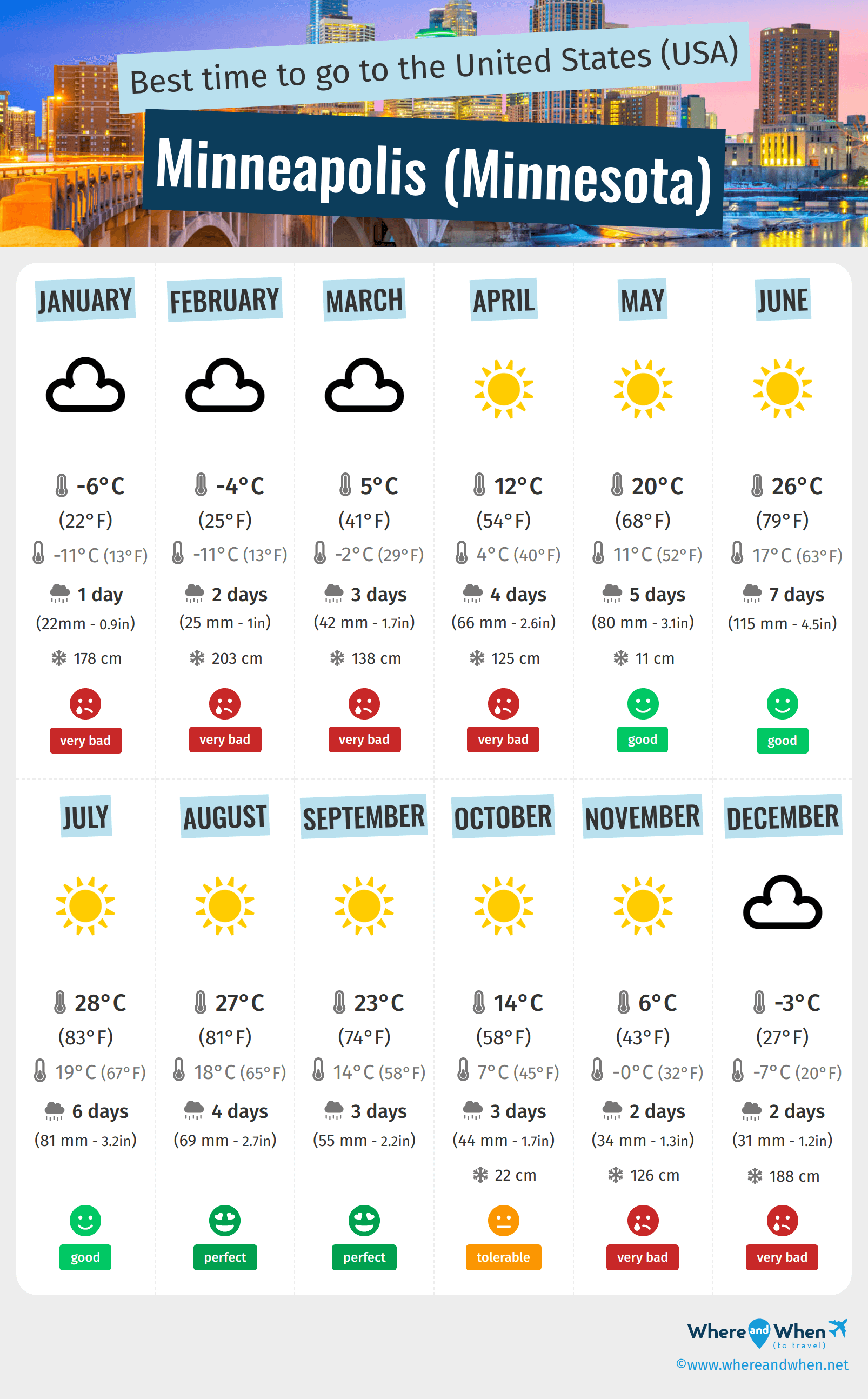
The weather in Minnesota is as much a factor as the time of day. In the warmer months, outdoor festivals and markets often start early on weekends, while winter months see a concentration of activity within cultural hubs. By keeping the local time front and center and maintaining a flexible mindset regarding your schedule, you ensure that your trip is defined by discovery rather than stress. Whether you are coming from Europe, Asia, or another part of the United States, the city welcomes you to sync your watch and experience everything it has to offer at the perfect moment.
LifeOutOfTheBox is a participant in the Amazon Services LLC Associates Program, an affiliate advertising program designed to provide a means for sites to earn advertising fees by advertising and linking to Amazon.com. Amazon, the Amazon logo, AmazonSupply, and the AmazonSupply logo are trademarks of Amazon.com, Inc. or its affiliates. As an Amazon Associate we earn affiliate commissions from qualifying purchases.