
For decades, the cultural narrative surrounding Los Angeles was defined by its sprawling freeways, gridlocked traffic, and an almost religious devotion to the private automobile. Visitors and locals alike often perpetuated the myth that the city was entirely devoid of a subterranean transit network. However, for the modern traveler navigating the vast expanse of California, the reality is quite different. Yes, there is a subway train in Los Angeles, and it serves as a vital artery for those looking to explore the city without the constant burden of renting a car or navigating the Interstate 405.
The Evolution of the Metro Rail System
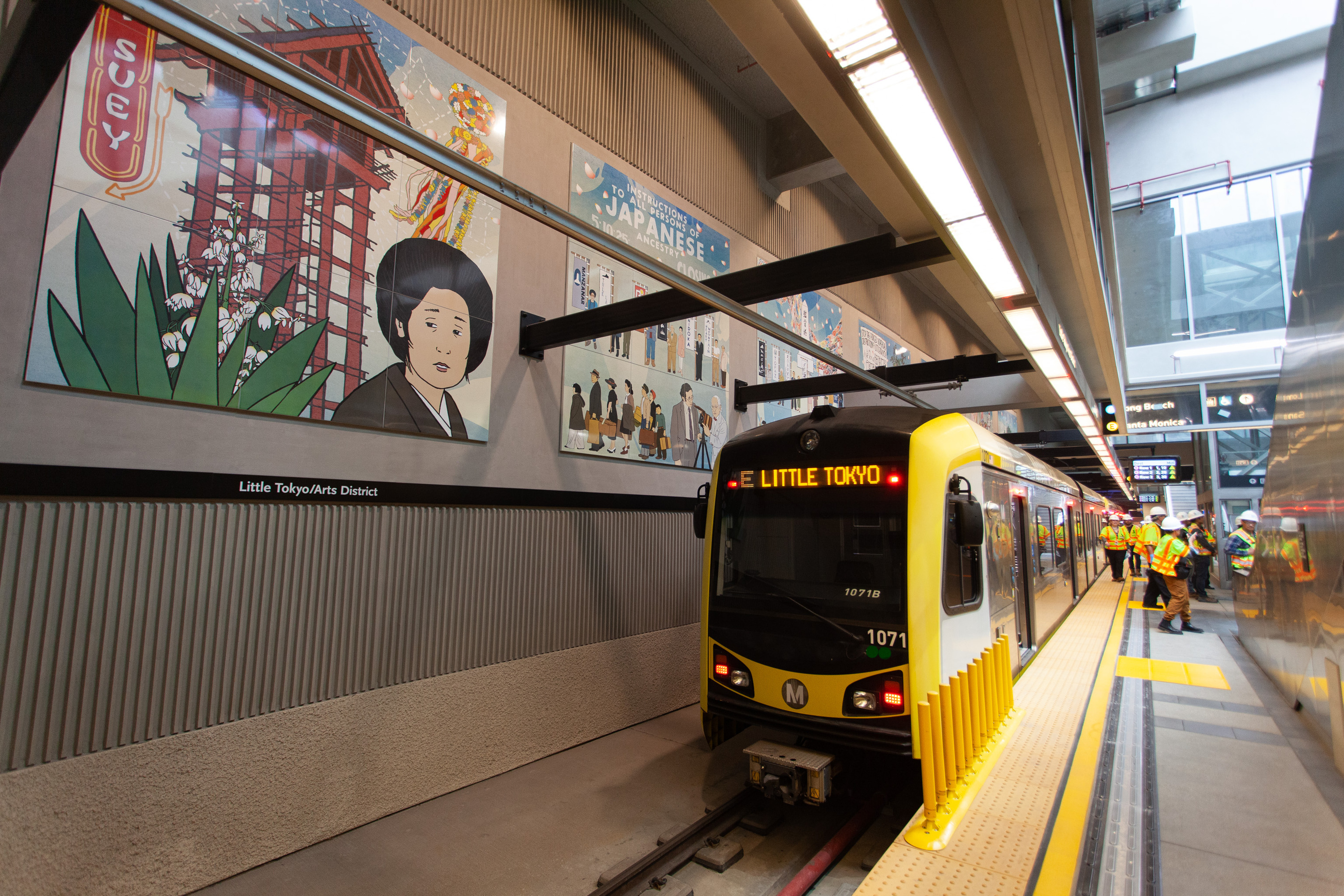
The subway system in Los Angeles is operated by the Los Angeles County Metropolitan Transportation Authority, commonly referred to as LA Metro. While the city is famous for its buses and sprawling light rail lines, the heavy-rail subway components—the B Line and the D Line—are the true subterranean workhorses of the urban landscape.
Understanding the Heavy Rail
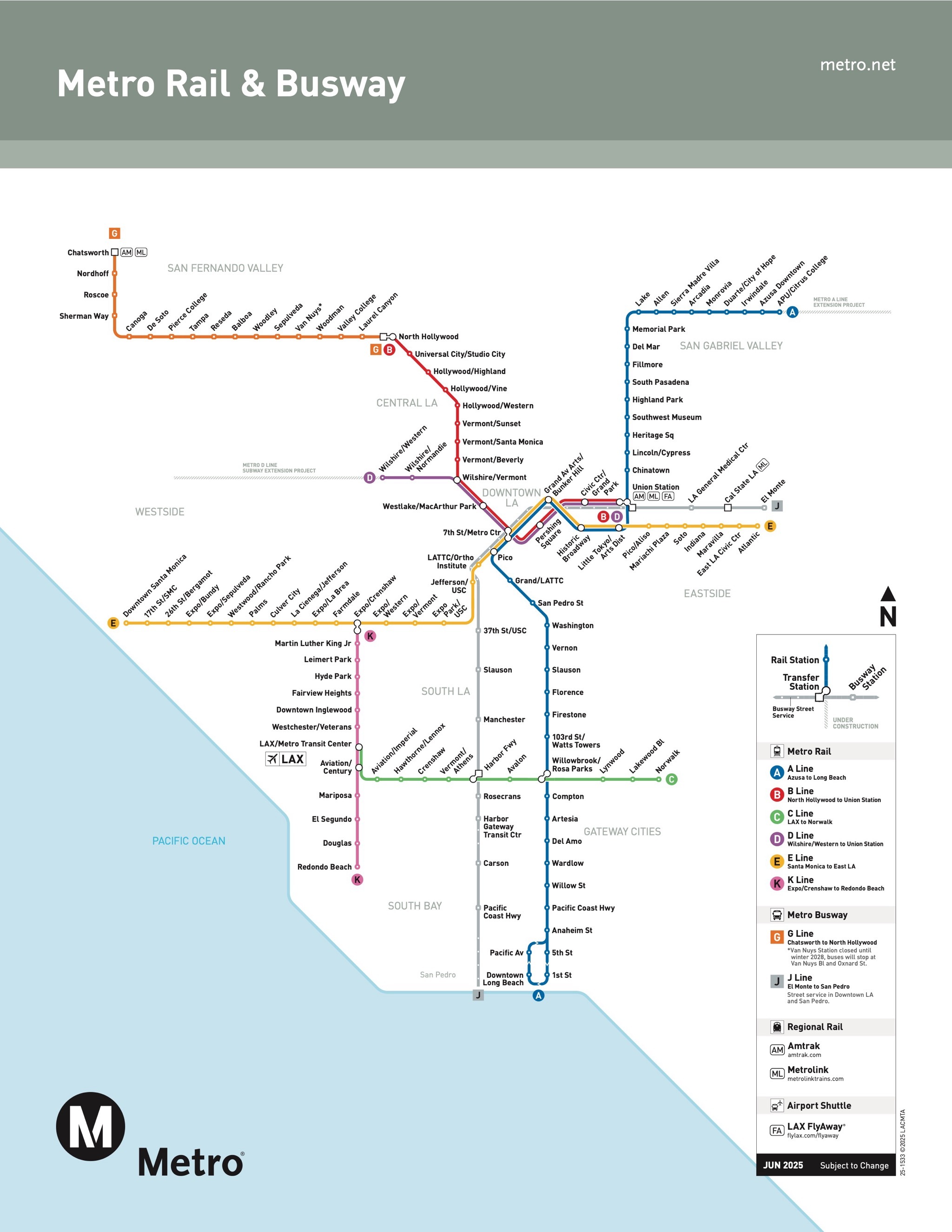
The B Line (formerly known as the Red Line) and the D Line (formerly known as the Purple Line) are the primary subway segments that provide true underground service. These lines utilize heavy-rail technology, allowing for faster transit and higher passenger capacity as they tunnel deep beneath the heart of Hollywood and Downtown Los Angeles.
Unlike light rail trains, which often share space with surface-level traffic, the heavy rail lines are fully grade-separated. This means that once you descend into the stations at Union Station or Pershing Square, you are entirely removed from the chaotic congestion of the Golden State streets above.
Connecting Key Districts
The significance of these lines cannot be overstated. They effectively bridge the gap between the historical commercial centers and the entertainment hubs that define Southern California. Whether you are commuting for business or visiting as a tourist, these lines provide a direct route between the transit hub of Union Station and the bustling nightlife found in Koreatown or the cinematic history of Hollywood and Highland.
Navigating the Network as a Visitor
For travelers arriving at Los Angeles International Airport, the subway might not be the first thing they see, but it remains the most efficient way to access the city’s diverse neighborhoods once they reach the central hubs. Understanding how to navigate the network requires a shift in perspective for those accustomed to driving.
The TAP Card System
To ride the subway, you must utilize the TAP card, a contactless stored-value card that allows for seamless entry into the Metro Rail system. These cards can be purchased at vending machines located in every station. The system is incredibly intuitive, making it accessible even to those who have never used public transit before. Once you have your card, you simply tap it at the turnstiles, and you are granted access to the entire network of rails and buses.

Essential Hubs for Sightseeing
If you are planning a trip, several stations serve as gateways to iconic attractions:
- Union Station: Not just a transit hub, but a stunning example of Mission Revival architecture. It is a destination in itself.
- Civic Center/Grand Park: Perfect for accessing the Walt Disney Concert Hall and the The Broad.
- Hollywood/Vine: Drops you right into the heart of the legendary entertainment district.
- Wilshire/Western: The gateway to the vibrant food scene of Koreatown.
The Future of Expansion: Why It Matters
The conversation about subway travel in Los Angeles is constantly shifting because the infrastructure is in a state of rapid expansion. The city is currently undertaking one of the most ambitious public transit projects in the United States.
The Purple Line Extension
Perhaps the most anticipated project is the extension of the D Line. This massive undertaking aims to connect Koreatown to Beverly Hills and ultimately Westwood, near the University of California Los Angeles. For decades, the idea of taking a subway to the affluent Westside was dismissed as impossible, yet the tunnel boring machines are actively carving out this route today. This transformation will fundamentally alter how tourists experience the city, allowing them to traverse the Los Angeles Basin without touching a steering wheel.
Improving Urban Mobility
The goal of this expansion is to turn Los Angeles into a city that is defined by its transit rather than its traffic. As more miles of track are laid, the subway becomes more than just an alternative; it becomes the standard. By reducing the number of cars on the Santa Monica Freeway and other major arteries, the city hopes to reclaim public space for pedestrians, artists, and culture seekers.
Beyond the Subway: A Broader Transit Culture
While the subway serves as the backbone of the system, the experience of Los Angeles transit is enriched by the light rail lines that connect to it. The E Line (formerly the Expo Line), for example, provides a picturesque route from Downtown Los Angeles all the way to Santa Monica.
Connecting the Mountains to the Sea
The ability to board a train in the middle of a dense, urban skyline and emerge an hour later at the edge of the Pacific Ocean is a unique feature of the Southern California transit experience. This connectivity invites travelers to look past the stereotypes and see the city as a walkable, accessible destination.
Why You Should Use Public Transit
Choosing the subway over a rental car provides several distinct advantages:
- Cost Efficiency: Parking in areas like Downtown Los Angeles or Santa Monica is notoriously expensive. A transit pass is a fraction of the cost.
- Cultural Immersion: Public transit is the best place to witness the melting pot of cultures that defines the city.
- Efficiency: While surface traffic can be unpredictable, the subway remains consistent, offering a reliable way to gauge travel times between distant neighborhoods.
In summary, the question is no longer whether a subway exists, but rather how much of the city you can discover by using it. From the historical splendor of Union Station to the future-forward expansion toward Westwood, Los Angeles is redefining itself as a global city with a world-class transit backbone. For those who choose to ride, it offers a window into the real, beating heart of the city—a view you simply cannot get from inside a car on the freeway.
LifeOutOfTheBox is a participant in the Amazon Services LLC Associates Program, an affiliate advertising program designed to provide a means for sites to earn advertising fees by advertising and linking to Amazon.com. Amazon, the Amazon logo, AmazonSupply, and the AmazonSupply logo are trademarks of Amazon.com, Inc. or its affiliates. As an Amazon Associate we earn affiliate commissions from qualifying purchases.