
Minneapolis, the vibrant heart of the Upper Midwest, has had the distinct honor of hosting the National Football League championship game twice in its history. These events transformed the city into a global stage, showcasing the architectural brilliance of its sporting venues and the resilience of its residents in the face of sub-zero temperatures. Understanding when these games occurred provides a fascinating lens through which to view the evolution of the city as a premier destination for mega-events.
The Historic Debut: Super Bowl XXVI in 1992
The first time Minneapolis welcomed the Super Bowl was on January 26, 1992. This game, Super Bowl XXVI, featured the Washington Redskins facing off against the Buffalo Bills.
The Hubert H. Humphrey Metrodome Era
The game was held at the Hubert H. Humphrey Metrodome, an iconic multi-purpose stadium known for its distinctive white Teflon-coated fiberglass roof. During this era, Minneapolis was still cementing its reputation as a major league city capable of handling the logistical demands of a global broadcast. The decision to award the game to this northern city was a bold move by the NFL, proving that even in the dead of winter, the logistics of a domed stadium could facilitate a seamless fan experience.
Legacy of the 1992 Game
For local residents and visitors alike, the 1992 experience was about more than just the final score. It highlighted the connectivity of the Skyway System, which allowed fans and media to navigate the downtown core without ever stepping outside into the frigid Minnesota winter. This unique infrastructure became a talking point in tourism circles, setting a precedent for how cold-weather cities could host massive outdoor-focused sports events while maintaining comfort.
The Modern Transformation: Super Bowl LII in 2018
Fast forward over two decades, and Minneapolis had undergone a complete physical and cultural metamorphosis. On February 4, 2018, the city hosted Super Bowl LII, pitting the Philadelphia Eagles against the New England Patriots.
The U.S. Bank Stadium Impact
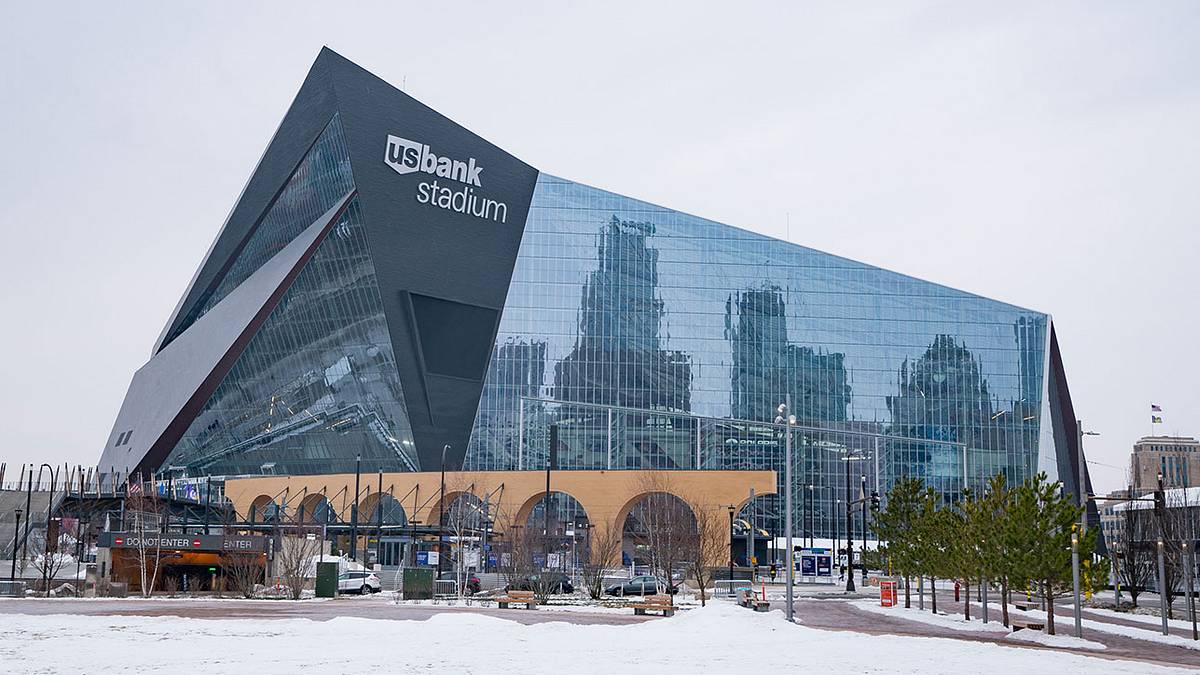
The primary catalyst for the city’s return to the national spotlight was the construction of the U.S. Bank Stadium. Unlike its predecessor, this architectural marvel featured a stunning glass wall that offered panoramic views of the Minneapolis skyline. The facility was designed to blend the indoors and outdoors, utilizing advanced heating technology to keep the interior climate perfectly regulated even when temperatures outside dipped well below zero.

Winter Tourism and “Bold North” Branding
During the lead-up to Super Bowl LII, the city branded the experience as the “Bold North.” This was a deliberate effort to embrace the climate rather than hide from it. Tourists were invited to experience Ice Castles, outdoor concerts on Nicollet Mall, and winter-themed festivities that proved Minneapolis was a four-season destination. The influx of visitors during this time bolstered the local economy and highlighted the city’s burgeoning culinary scene, centered largely around the vibrant North Loop neighborhood.
Evaluating the Infrastructure of a Host City
Hosting a global event requires a sophisticated network of hospitality, transportation, and public spaces. The success of Minneapolis in hosting two Super Bowl games rests on its ability to leverage its unique geographic and structural assets.
Connectivity and Navigation
The Skyway System remains the crown jewel of Minneapolis urban planning. By linking hotels, convention centers, and retail hubs, it creates a self-contained environment that shields tourists from the climate. During both Super Bowl XXVI and Super Bowl LII, this network ensured that visitors could access the Target Center or the Minneapolis Convention Center with ease.
Economic Benefits and Tourism Growth
Beyond the week of the game, hosting a Super Bowl provides a city with a platform for long-term branding. The visibility Minneapolis gained on national television served as a billboard for the Mississippi River waterfront, the Mill City Museum, and the nearby Mall of America. These landmarks saw a massive spike in interest, positioning the city as a viable alternative to the typically warmer host cities in the Sun Belt.
Looking Ahead: The Future of Minneapolis Tourism
While there are currently no confirmed dates for a future Super Bowl return to Minneapolis, the city has proven it possesses the infrastructure and the spirit to handle the most demanding events in the world. The legacy of the 1992 and 2018 games is etched into the way the city approaches large-scale gatherings.
Lessons Learned from Past Events
The primary lesson learned by the Minnesota Sports Facilities Authority and city planners is that the “Bold North” strategy works. By leaning into the authentic culture of the region—including the love for winter sports, hearty Midwestern cuisine, and indoor communal spaces—the city differentiates itself from every other host city in the United States.

Preparing for Future Global Stages
As Minneapolis continues to evolve, the lessons from past championship games will guide future investment. Whether it is through the continued development of the Mississippi Riverfront or the expansion of boutique hotels in the Downtown West district, the groundwork laid by those two Super Bowl experiences ensures that the city remains a top-tier destination for travelers. The question is not just “When was the Super Bowl in Minneapolis?” but rather, “What will the city show the world next?”
For those planning to visit, the city remains ready to impress, with an array of activities that extend far beyond the gridiron. From the cultural exhibits at the Minneapolis Institute of Art to the scenic beauty of the Chain of Lakes, the city thrives on the same energy that made its hosting duties in 1992 and 2018 so memorable. Whether you are a football fan tracking history or a curious traveler looking for a dynamic destination in the Midwest, Minneapolis stands ready to welcome you with the warmth that belies its northern latitude.
LifeOutOfTheBox is a participant in the Amazon Services LLC Associates Program, an affiliate advertising program designed to provide a means for sites to earn advertising fees by advertising and linking to Amazon.com. Amazon, the Amazon logo, AmazonSupply, and the AmazonSupply logo are trademarks of Amazon.com, Inc. or its affiliates. As an Amazon Associate we earn affiliate commissions from qualifying purchases.