
The Mississippi River stands as the colossal backbone of the United States. Stretching from the modest, crystalline waters of Lake Itasca in Minnesota to the vast, silty expanse of the Gulf of Mexico, this waterway is more than just a geographical feature; it is a ribbon of history, commerce, and natural wonder. For travelers, adventurers, and geography enthusiasts, tracing the path of the “Father of Waters” offers a unique lens through which to view the heartland of America. The river winds through ten distinct states, each offering a unique cultural and ecological landscape that has been shaped by the presence of this mighty current.

The Northern Headwaters and the Gateway to the West
The journey begins in the dense woodlands of the north, where the river serves as a vital artery for the regional landscape before gaining momentum as it flows southward.
Minnesota and Wisconsin: The Starting Points
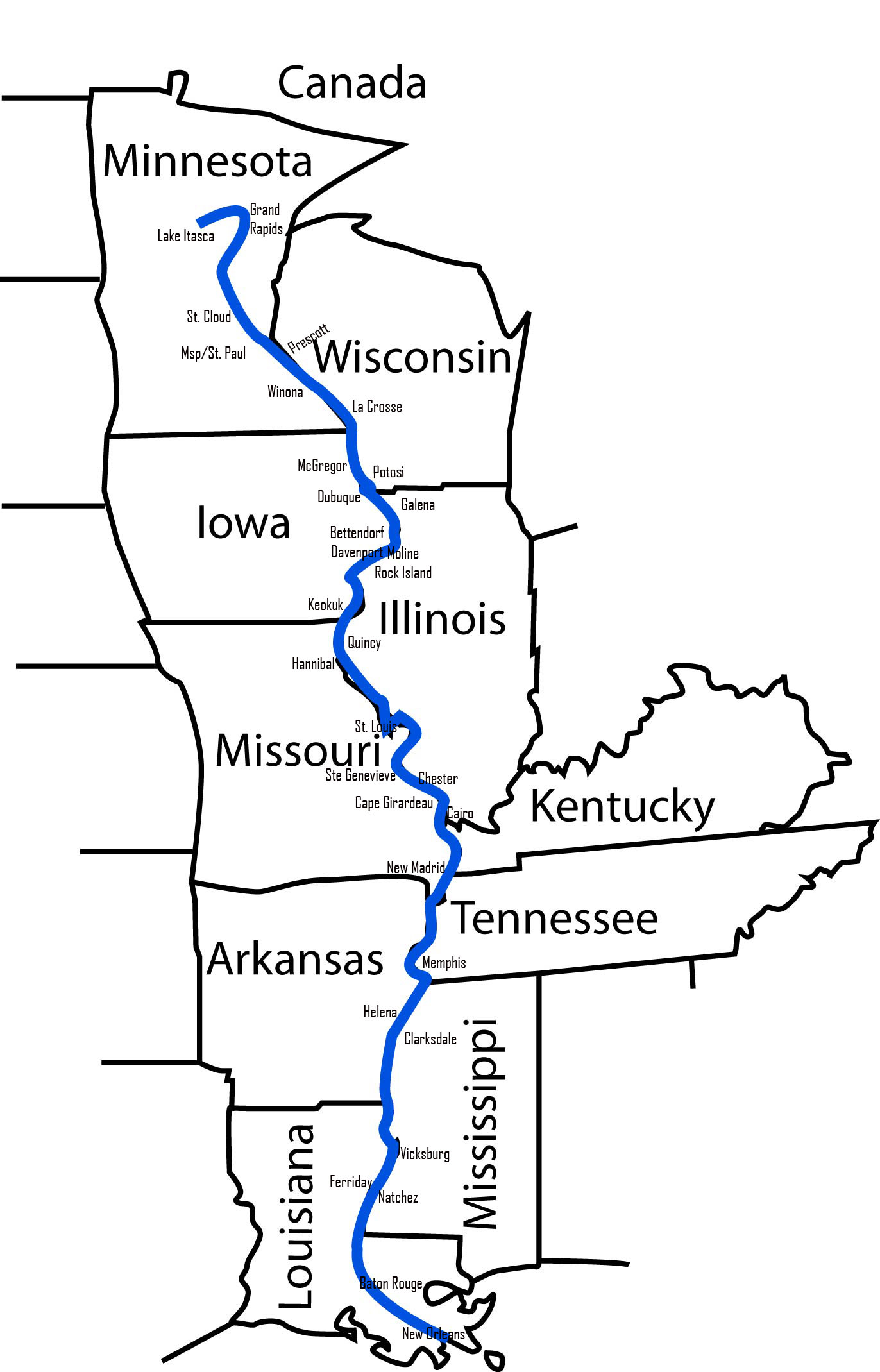
In the northern reaches of the country, the Mississippi River begins its trek in Minnesota. From the serene Itasca State Park, it flows through a landscape characterized by forests and glacial lakes. As it continues its southern trajectory, it acts as a natural border, separating Minnesota from Wisconsin. This stretch is renowned for its stunning bluffs and abundant wildlife, offering travelers a glimpse into the raw, unhurried nature of the upper Midwest.
Iowa and Illinois: The Fertile Corridor
As the river pushes deeper into the heart of the country, it touches the borders of Iowa and Illinois. These states are defined by the river’s role in agricultural history and the early expansion of American industry. Along this path, the river passes by historic river towns and serves as a vital channel for the transportation of goods, echoing the stories of the steam-powered era that once defined commerce in the Midwest.
The Confluence of Cultures and the Central Basin
Moving into the midsection of the country, the river broadens and begins to act as a definitive cultural divider and connector between the various regions of the United States.
Missouri and Kentucky: Where the Rivers Meet
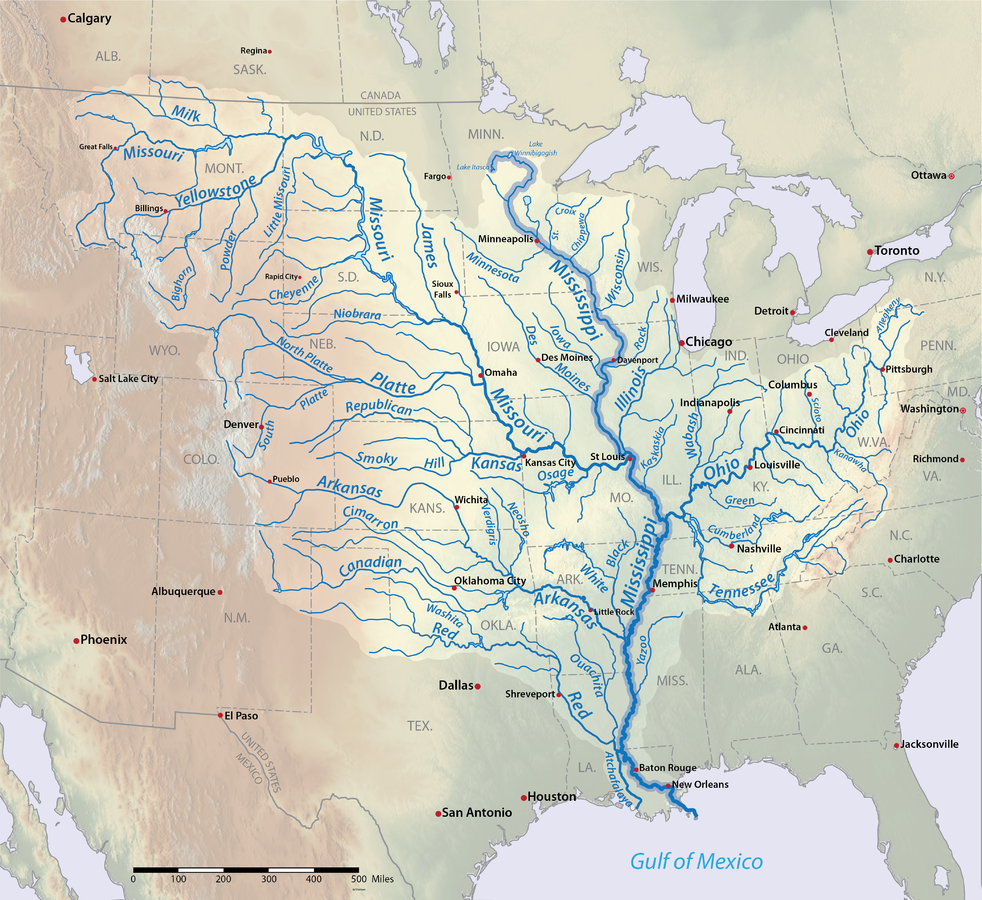
Perhaps no point on the river is as significant as the confluence with the Missouri River near St. Louis, Missouri. This monumental meeting point marks a shift in the river’s character, as the volume of water increases dramatically. Further downstream, the river brushes the borders of Kentucky, a state known for its rolling hills and deep connection to the river’s maritime heritage. The blend of cultures, from the industrial energy of St. Louis to the southern hospitality found along the Kentucky borders, highlights the diversity that exists along the riverbanks.
Tennessee and Arkansas: The Delta Influence
The river flows past the iconic bluffs of Memphis, Tennessee, where the influence of the Delta begins to take hold. Directly across the water lies Arkansas, where the flat, fertile plains provide a stark contrast to the dramatic elevations found further upstream. This region is the birthplace of blues music, a testament to how the river has inspired generations of artists, musicians, and storytellers who have thrived in the unique environment of the southern riparian corridor.
Reaching the Southern Delta and the Coastal Plains
As the river nears its final descent, the geography shifts once more. The landscape becomes dominated by marshes, bayous, and a deep-seated history that links the river inextricably to the identity of the South.
Mississippi and Louisiana: The Final Stretch
The state of Mississippi shares its namesake with the river, and its history is profoundly entwined with the water that flows along its western border. From the historic streets of Natchez to the quiet majesty of the levees, the river defines life in this region. Finally, the journey concludes in Louisiana, where the Mississippi River spreads out into its massive delta. In New Orleans, the river is a focal point of celebration and survival, a bustling commercial channel that carries the lifeblood of the nation out to the Gulf of Mexico.
The Ecological and Historical Legacy
The total count of ten states—Minnesota, Wisconsin, Iowa, Illinois, Missouri, Kentucky, Tennessee, Arkansas, Mississippi, and Louisiana—tells a story of national connectivity. Each state brings its own perspective, climate, and cultural nuance to the journey. For the traveler, exploring these ten states is akin to traveling through the soul of the country. From the frozen headwaters in the north to the humid, vibrant delta in the south, the Mississippi River serves as an enduring monument to the geography that defines the American experience.
Whether one is interested in the rugged, forested landscapes of the north, the industrial history of the central cities, or the soulful music and cuisine of the southern delta, the Mississippi River provides an unparalleled travel experience. It is not merely a path to be traversed but a tapestry of human and natural history that continues to evolve. Each of the ten states through which it flows offers distinct gateways to understanding the complex, multifaceted nature of the United States. As you plan your own journey along the banks of this monumental waterway, you will find that the river is much more than a border; it is a bridge between the disparate parts of a vast and vibrant nation, inviting all who visit to witness the enduring power of one of the world’s greatest natural wonders.
LifeOutOfTheBox is a participant in the Amazon Services LLC Associates Program, an affiliate advertising program designed to provide a means for sites to earn advertising fees by advertising and linking to Amazon.com. Amazon, the Amazon logo, AmazonSupply, and the AmazonSupply logo are trademarks of Amazon.com, Inc. or its affiliates. As an Amazon Associate we earn affiliate commissions from qualifying purchases.