
The rental landscape in Kansas often leaves tenants feeling as though the legal scales are permanently tipped in favor of property owners. For those seeking long-term accommodation, understanding the nuances of the housing market requires a firm grasp of how professional representation shapes the industry. While the perception persists that attorneys predominantly represent landlords, the reality is a complex intersection of economic incentives, procedural law, and the specialized nature of property management within the Midwest.
The Economic Drivers of Property Law Representation
The disparity in legal representation is rarely a result of bias; rather, it is a function of the business model inherent to rental housing. Landlords, whether managing a single investment property in Wichita or a sprawling portfolio of apartment complexes in Overland Park, view legal counsel as a necessary operational cost.

Protecting Institutional Assets
For a landlord, the property is a revenue-generating asset that requires protection against vacancy, non-payment, and damage. When a tenant stops paying rent, the landlord faces an immediate financial loss that compounds every day the unit remains occupied. Consequently, landlords seek attorneys who specialize in summary proceedings and eviction law to minimize this fiscal impact. Because landlords engage in these legal processes frequently, they develop ongoing relationships with law firms. This creates a supply-and-demand environment where firms specializing in property management grow to support these repeat clients.
The Efficiency of Bulk Representation
Law firms often favor representing landlords because the procedures are standardized. Eviction filings, lease drafting, and lease enforcement follow a predictable path. A single firm can represent dozens of property management companies, streamlining the paperwork and leveraging institutional knowledge of the Kansas Residential Landlord and Tenant Act. This efficiency makes it difficult for a private tenant to find a comparable level of specialized, high-volume representation that is also affordable.
Challenges for Tenants Seeking Counsel
The difficulty tenants face in securing legal representation is less about a lack of willing attorneys and more about the structural hurdles of the court system. In Kansas, the civil justice system is designed to favor speed in housing cases, which often leaves little room for the rigorous discovery and defense strategies that tenants might require.
The Cost-Benefit Barrier
For most renters, the cost of hiring an attorney to contest an eviction or a lease violation often exceeds the value of the outcome. Unless a case involves significant issues like habitability, illegal discrimination, or security deposit theft of a substantial amount, it is rarely financially viable for a private citizen to pay standard hourly attorney rates. This economic reality pushes many tenants toward self-representation or the use of legal aid societies, which are often overextended and unable to take every case.
Complexity of Regulatory Compliance
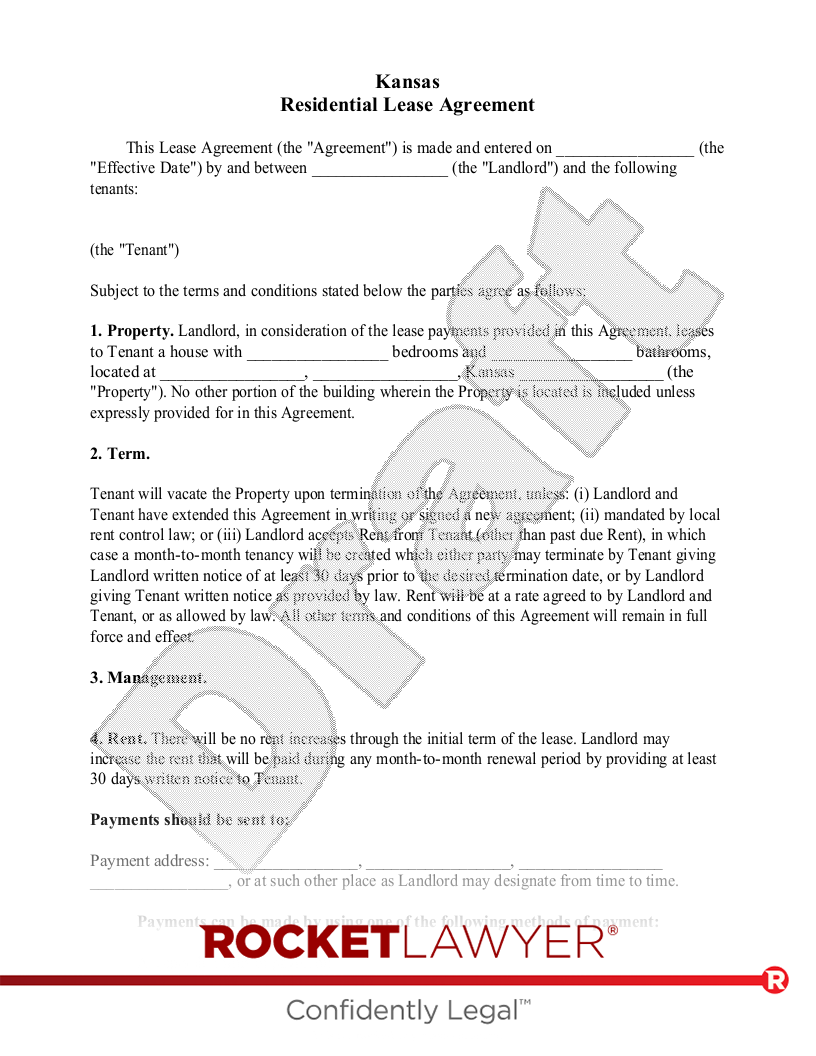
When a tenant does seek help, they often find that the laws are nuanced. Understanding Kansas law requires knowledge not just of state statutes, but also local ordinances in cities like Topeka or Lawrence. When a landlord is represented by a firm that specializes in these local nuances, the tenant—often acting alone—is at a severe procedural disadvantage. This creates the illusion that “only landlords have lawyers,” when in truth, it is the specialized nature of the expertise that makes legal assistance appear inaccessible to the average renter.
Bridging the Gap: Where Tenants Find Support
Despite the challenges, the state of Kansas has seen a shift in how legal resources are distributed. Various organizations have stepped up to ensure that housing disputes remain fair, recognizing that a stable rental market is essential for the growth of cities like Manhattan and Salina.
Legal Aid and Pro Bono Initiatives
Across the Sunflower State, legal aid organizations are working to provide the representation that the private market fails to supply. These groups are instrumental in protecting tenants from unlawful evictions and ensuring that property owners adhere to maintenance standards. By providing pro bono legal services, these attorneys balance the scales, ensuring that a lack of financial resources does not result in the loss of one’s home.
The Rise of Tenant Advocacy Groups
Beyond individual representation, there is a growing movement of tenant advocacy. These groups educate renters on their rights, helping them document habitability issues and communicate effectively with property managers before a legal crisis erupts. By empowering tenants with knowledge, these groups reduce the reliance on courtroom litigation, effectively navigating the complexities of the Kansas rental market through proactive measures rather than reactive legal battles.
Future Outlook for Rental Litigation
As the population grows in vibrant hubs like Olathe, the demand for high-quality rental housing continues to rise. With this expansion, the relationship between landlords, tenants, and the legal profession is evolving. We are seeing a move toward more streamlined mediation processes that reduce the need for expensive attorney intervention.
Mediation as a Solution
Many housing disputes in Kansas are being funneled into mediation programs. This shift is beneficial for both parties. Landlords can resolve non-payment issues without the lengthy and expensive process of a formal trial, and tenants can negotiate payment plans or repair timelines without the immediate threat of displacement. Mediation provides a neutral ground where the power dynamic is neutralized.

Technological Advancements in Legal Access
The integration of technology into the legal system is also helping to level the playing field. Digital resources now allow tenants to access templates for legal correspondence, understand their rights regarding security deposits, and find information on the Kansas statutes that govern their living situations. As these tools become more sophisticated, the “legal gap” between landlords and tenants is expected to shrink, fostering a more equitable housing environment.
While it is true that professional firms have historically focused on representing landlords due to the volume and nature of the work, the tide is turning. With increased access to legal aid, the emergence of mediation, and a better-educated tenant base, the rental experience in Kansas is becoming more balanced. The perception that justice is reserved for those with the most property is being challenged by a commitment to housing stability and fair representation for all parties involved in the rental contract.
LifeOutOfTheBox is a participant in the Amazon Services LLC Associates Program, an affiliate advertising program designed to provide a means for sites to earn advertising fees by advertising and linking to Amazon.com. Amazon, the Amazon logo, AmazonSupply, and the AmazonSupply logo are trademarks of Amazon.com, Inc. or its affiliates. As an Amazon Associate we earn affiliate commissions from qualifying purchases.