
For those considering a move to the American South, particularly those looking to settle in Mississippi, understanding the professional landscape is essential. While the state is widely celebrated for its rich musical heritage, historical significance, and warm southern hospitality, educators often find themselves balancing a passion for teaching with the practical realities of state-specific compensation. Evaluating the salary of a teacher in this region requires a deep dive into how Mississippi approaches education funding and the cost of living that makes this state a unique destination for professionals.
Understanding the Landscape of Educator Compensation
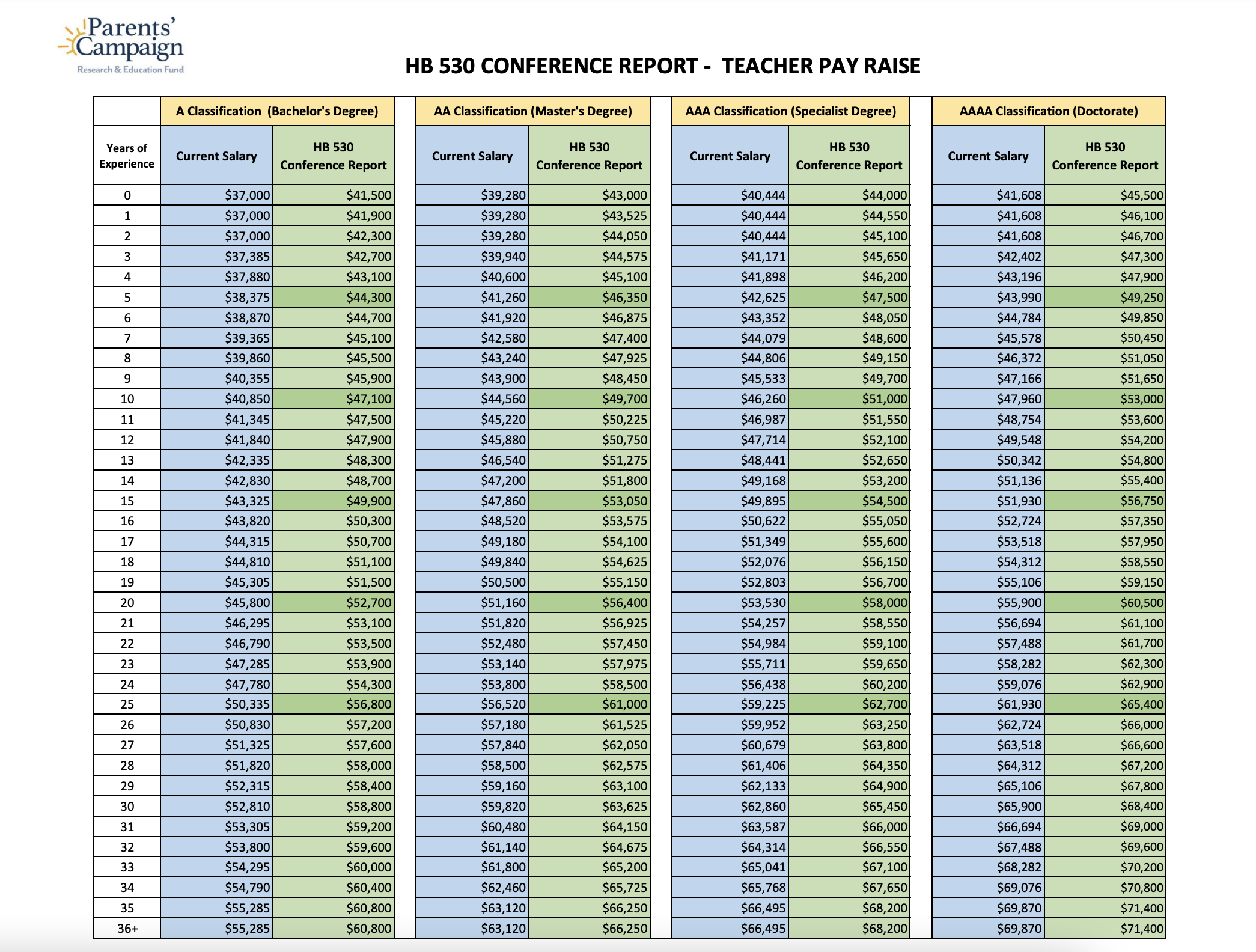
The compensation structure for educators in Mississippi is primarily dictated by a state-mandated salary scale. Unlike states where local school districts hold significant autonomy over base pay, the Mississippi Department of Education sets a baseline that serves as the foundation for teacher pay across all public districts.

The State Salary Scale
The salary scale is traditionally organized based on two primary factors: years of experience and level of education (licensure). A teacher with a bachelor’s degree will naturally start at a different tier than one holding a master’s degree, an educational specialist degree, or a doctorate. Over the past several years, the state legislature has taken deliberate steps to increase this base pay, recognizing that competitive salaries are necessary to attract and retain high-quality talent in districts ranging from Jackson to Gulfport.
Local Supplements and Disparities
While the state provides the floor, many local school districts offer “supplements.” These are additional funds, often generated through local property taxes, that increase the total take-home pay. Consequently, a teacher working in a district with a larger tax base—often found in more affluent suburbs—may see a significantly higher paycheck than a teacher in a rural, lower-tax-base community. This creates a geography-dependent salary variation that potential residents must research before committing to a specific district.
Financial Realities and the Cost of Living
One of the most compelling arguments for living in Mississippi is the cost of living, which remains among the lowest in the United States. When analyzing “how much” a teacher makes, one must look beyond the gross dollar amount and consider the purchasing power of that salary within the local economy.
Housing and Affordability
In major metropolitan hubs like Biloxi or Hattiesburg, housing prices are significantly lower than the national average. A teacher’s salary that might feel modest in New York or California goes much further in the Deep South. Whether one is looking to rent an apartment or purchase a historic home near the Mississippi River, the relative affordability allows for a comfortable lifestyle that balances professional demands with personal financial health.
Daily Expenses and Quality of Life
Beyond housing, the cost of goods, services, and utilities in towns like Oxford—home to the University of Mississippi—is generally favorable. For an educator, this means that the base salary, while perhaps lower in nominal value compared to other regions, supports a lifestyle that includes travel, dining, and cultural enrichment. Exploring the local museums in Natchez or visiting the Vicksburg National Military Park becomes an accessible hobby rather than a luxury, as the overall cost of living remains low.
The Role of Licensure and Advancement
Professional advancement is the most reliable way to increase one’s earnings as a teacher in Mississippi. The state’s compensation model heavily rewards continued education, providing clear incentives for teachers to pursue advanced degrees.
Pursuing Advanced Degrees
Teachers who obtain a Master of Arts in Teaching or a Master of Education (M.Ed.) are automatically moved up a tier on the state salary scale. This represents a permanent, guaranteed increase in base salary. Because of the lower cost of living, the return on investment for pursuing these degrees is often higher in Mississippi than in states where high student loan debt is compounded by extreme housing costs.
Leadership and Administrative Roles
For those looking to transition out of the classroom, moving into administrative roles such as principal, curriculum coordinator, or district superintendent offers a substantial pay increase. These roles require additional certification but offer a path toward salary figures that are highly competitive even by national standards. The demand for strong school leadership in growing areas like Southaven ensures that these opportunities remain available for dedicated professionals.
Considering the Lifestyle Benefits
While salary is the primary metric for professional reward, the lifestyle in Mississippi provides a non-monetary value that many educators find vital. The state offers a unique blend of natural beauty and vibrant, local culture that contributes to a fulfilling personal life.
Community and Cultural Engagement
Educators in Mississippi often find themselves integrated into tight-knit, supportive communities. Whether it is enjoying the blues heritage in Clarksdale or participating in the bustling collegiate atmosphere of Starkville, the cultural richness of the state provides a lifestyle that is rewarding in ways that traditional salaries cannot quantify. The ability to engage with history and the arts, coupled with a slower, more deliberate pace of life, creates an environment where teachers can thrive long-term.

Retirement and Benefits
Finally, one cannot discuss teacher compensation without mentioning the Public Employees Retirement System of Mississippi. This defined-benefit pension plan is a significant long-term asset for educators. It provides a level of financial security in retirement that is becoming increasingly rare in the private sector. When the value of health insurance subsidies and pension contributions is added to the annual salary, the total compensation package becomes much more robust than the base paycheck suggests.
In conclusion, while the absolute dollar amount of a teacher’s salary in Mississippi may require careful budgeting, the combination of a low cost of living, clear paths for salary advancement, and the long-term benefits of the state’s retirement system makes it a viable and attractive destination. For professionals who value community, history, and a high quality of life, the financial landscape of Mississippi is one that rewards dedication with both professional stability and personal enrichment. By understanding the interplay between state scales, local supplements, and the intrinsic value of life in the South, teachers can make informed decisions that align their financial goals with their passion for education.
LifeOutOfTheBox is a participant in the Amazon Services LLC Associates Program, an affiliate advertising program designed to provide a means for sites to earn advertising fees by advertising and linking to Amazon.com. Amazon, the Amazon logo, AmazonSupply, and the AmazonSupply logo are trademarks of Amazon.com, Inc. or its affiliates. As an Amazon Associate we earn affiliate commissions from qualifying purchases.