
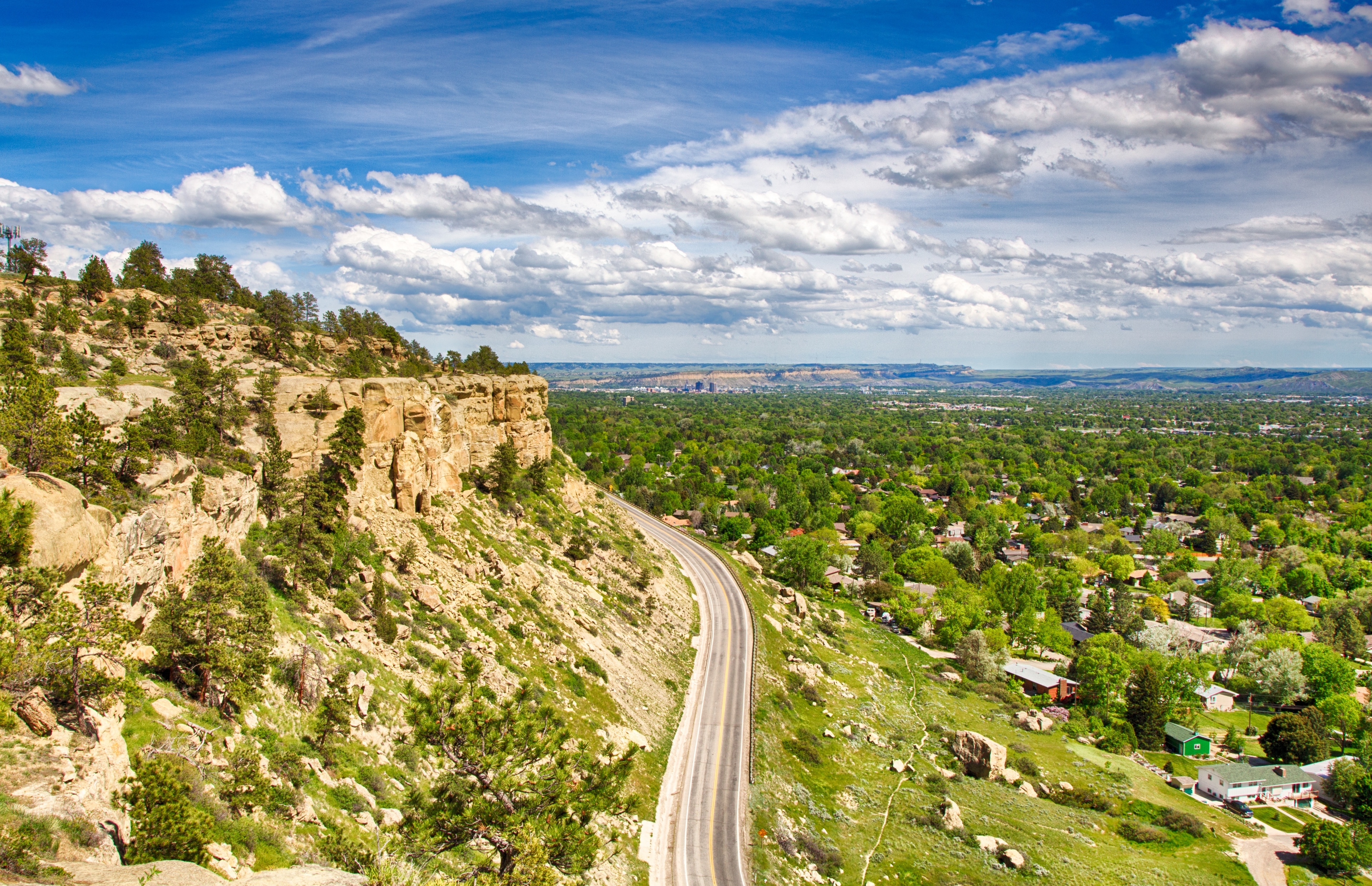
Planning a journey to Billings, the largest city in the state of Montana, requires an appreciation for the vast, rugged beauty of the American West. Known as the “Magic City,” this hub serves as a critical gateway to the majestic landscapes of the Northern Rockies. Determining how far you are from this vibrant urban center depends heavily on your starting point, your preferred mode of transportation, and the unique route you choose to traverse through the expansive terrain of North America.
Calculating Distance and Travel Time from Major Hubs
Understanding the geography of the United States is essential when mapping out a trip to south-central Montana. The distance to Billings is rarely just a straight line on a map; it is an experience shaped by highways, mountain passes, and changing climate conditions.

From the Pacific Northwest
Travelers arriving from Seattle or Portland often find themselves embarking on a classic road trip across Washington and Idaho. The drive spans approximately 800 to 900 miles. Following Interstate 90, you will cross the dramatic Bitterroot Range. While the mileage might suggest a 12-hour drive, the mountainous terrain requires cautious navigation, especially during the shoulder seasons when weather can shift rapidly.
From the Rocky Mountain Region
If you are starting in Denver, Colorado, the journey to Billings is a scenic trek northward through Wyoming. Covering roughly 550 miles, this route often takes travelers past the majestic Bighorn National Forest. This drive is popular for its transition from the high plains to the dramatic foothills of the Rockies, usually requiring about 8 to 9 hours of driving time.
From the Midwest
Travelers coming from Minneapolis, Minnesota, face a longer trek across the Great Plains. Stretching over 900 miles, this route offers a look at the vast agricultural heartland of North Dakota before entering the eastern edge of Montana. This is a journey defined by the “Big Sky” aesthetic, where the horizon seems to stretch on indefinitely.
Navigating the Terrain: Factors Affecting Your Journey
Distance is only one variable in the equation. When traveling to a destination like Billings, the infrastructure and the environment play a significant role in how “far” the city feels.

Mountain Passes and Seasonal Weather
Montana weather is notoriously unpredictable. Even in the middle of summer, a mountain pass can experience cooling temperatures, while winter travel necessitates preparation for snow and ice. When checking your GPS, always account for an additional 15% to 20% travel time if you are driving during the winter months. Maintaining a vehicle equipped for alpine conditions is a non-negotiable aspect of safety for those traversing the mountain corridors that lead to Billings.
The Benefit of Aerial Travel
For those who prefer to bypass the long stretches of highway, Billings Logan International Airport acts as the primary aerial gateway to the region. Connecting flights from major hubs like Salt Lake City or Denver International Airport significantly shorten the “distance” to a matter of a few hours. Arriving by air allows you to spend more time exploring the local attractions rather than navigating the open road.
Optimizing Your Route for Adventure
If you have the luxury of time, the distance to Billings should not be seen as a hurdle to overcome, but rather an opportunity to see more of the American West. Choosing a route that includes stops at major landmarks can turn a long transit into a memorable expedition.
Scenic Byways and Detours
Many travelers route their trip through Yellowstone National Park before heading to Billings. Depending on which entrance you utilize, this can add several hours to your total travel time. However, the opportunity to witness the geothermal wonders and wildlife of the world’s first national park is an invaluable addition to any itinerary. Similarly, a detour through Custer Gallatin National Forest provides unparalleled hiking and photography opportunities.
Planning for Gas and Services
In parts of Montana, the distance between service stations can be substantial. When calculating how far you are from your destination, it is vital to research the availability of fuel stops along your chosen route. Carrying a physical road atlas is highly recommended, as cellular service can be intermittent once you leave the interstate system. Planning your fuel stops at major towns like Bozeman or Sheridan ensures that your vehicle remains ready for the final stretch toward Billings.
Preparing for Your Arrival in the Magic City
Once you have determined the distance and charted your course, the final stage is arrival. Billings is a city that rewards the patient traveler with a unique blend of historical significance and modern amenities.
Understanding Local Transit
Once you arrive in the city, getting around is relatively straightforward. While many visitors prefer to have their own vehicle, the city is quite walkable in its downtown core. Proximity to local sites like Pictograph Cave State Park is best managed with a car, but staying central allows for easy access to restaurants and museums.
The Value of the Journey
Ultimately, “how far” Billings is depends on your perspective. If you are viewing it as a logistical challenge, the miles are simply numbers on a screen. If you view it as a travel experience, the distance is the backdrop for the transformation of landscapes, the shift in cultures, and the anticipation of arriving in a city that sits at the threshold of the frontier. Whether you are driving through the high plains or flying over the jagged peaks, the route to Billings is as much a part of the destination as the city itself. By planning ahead, accounting for the unique topography, and embracing the slow pace of Western travel, you ensure that your arrival is not just the end of a trip, but the beginning of an exploration of one of America’s most fascinating regions.
LifeOutOfTheBox is a participant in the Amazon Services LLC Associates Program, an affiliate advertising program designed to provide a means for sites to earn advertising fees by advertising and linking to Amazon.com. Amazon, the Amazon logo, AmazonSupply, and the AmazonSupply logo are trademarks of Amazon.com, Inc. or its affiliates. As an Amazon Associate we earn affiliate commissions from qualifying purchases.