
Visitors traveling to Florida often expect nothing but crystal-clear blue skies and the refreshing scent of the Atlantic Ocean or the Gulf of Mexico. While the Sunshine State generally boasts excellent air quality compared to many industrialized regions in the United States, there are specific days when the horizon turns hazy and the Air Quality Index (AQI) creeps into the “Unhealthy for Sensitive Groups” or even “Unhealthy” territory. For tourists planning outdoor excursions, theme park visits, or beach days, understanding the local environmental factors is essential for a safe and enjoyable trip.
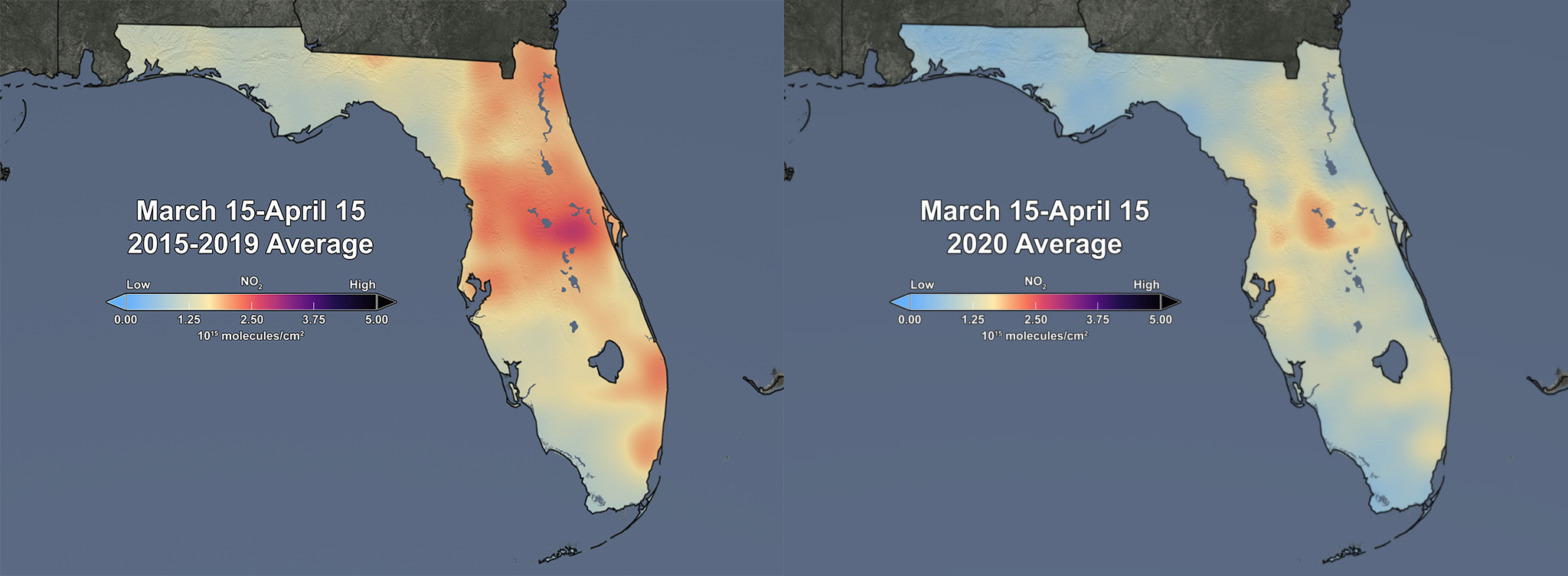
Fluctuations in air quality across Florida are rarely caused by a single factor. Instead, they are the result of a complex interplay between international weather patterns, local agricultural practices, and the unique geography of the peninsula. Whether you are staying in a high-rise in Miami or exploring the historic streets of St. Augustine, knowing why the air feels heavy or looks “milky” can help you adjust your itinerary and protect your health.
The Influence of the Saharan Air Layer on Florida Tourism
One of the most fascinating and frequent causes of poor air quality in Florida during the summer months is a phenomenon known as the Saharan Air Layer (SAL). This massive plume of dry, dusty air travels thousands of miles from the Sahara Desert in Africa, crossing the Atlantic Ocean before settling over the Caribbean Sea and the Southeastern United States.
What is the Saharan Dust?
The Saharan Air Layer consists of fine mineral dust particles lifted into the upper atmosphere by strong winds over North Africa. When this layer arrives in Florida, typically between June and August, it creates a distinct haze that can obscure the sun. While this dust helps suppress tropical cyclone activity—a blessing during the hurricane season—it significantly increases particulate matter (PM2.5) in the air. For tourists, this means that even on a day with no clouds, the sky may appear grey or white rather than blue.
Impact on Visibility and Sunsets in South Florida
While the dust can cause respiratory irritation for some, it has a famous silver lining for photography enthusiasts and tourists in South Florida. The particles in the air scatter light in a way that produces incredibly vivid, fiery sunsets. If you are dining at a waterfront restaurant in Fort Lauderdale or watching the sunset from the Mallory Square in Key West, a “bad air quality day” caused by Saharan dust might actually provide the most beautiful photo opportunities of your entire trip. However, those with asthma or allergies should limit heavy outdoor exertion during these peak dust events.
Seasonal Wildfires and Agricultural Practices
Another major contributor to air quality dips in Florida is smoke. Unlike the heavy smog of urban centers, smoke in the Sunshine State often stems from both natural wildfires and controlled agricultural burns. This is particularly prevalent during the dry season, which runs from late autumn through the spring.
Prescribed Burns in North Florida and Central Florida
The Florida Forest Service frequently conducts prescribed burns to maintain the health of local ecosystems and prevent catastrophic wildfires. In regions like Tallahassee and the surrounding North Florida forests, these burns can release significant amounts of smoke. If the wind is blowing in the right direction, this smoke can drift into tourist hubs like Jacksonville or Gainesville, leading to a noticeable smoky smell and reduced visibility on the highways.
The Muck Fires of the Everglades and Lake Okeechobee
In the southern part of the state, agricultural burning is common in the areas surrounding Lake Okeechobee, particularly during the sugar cane harvest. Additionally, during periods of extreme drought, “muck fires” can ignite in the Everglades National Park. These fires are particularly stubborn because they burn through the organic peat soil underground, producing a thick, acrid smoke that can linger over Miami and Naples for days. If you are planning a swamp boat tour or a visit to Big Cypress National Preserve, it is wise to check for active fire reports, as the smoke in these areas can be much denser than in the cities.
Urban Congestion and Ground-Level Ozone in Major Hubs

While Florida is famous for its natural beauty, its major metropolitan areas face the same challenges as any other large city in the United States. Ground-level ozone is a primary concern during the hot, stagnant days of late spring and summer.
Navigating Orlando and the Theme Park District
Orlando is one of the most visited cities in the world, home to Walt Disney World Resort and Universal Orlando Resort. The high volume of traffic from millions of tourists, combined with the intense Florida heat, can lead to the formation of ground-level ozone. Ozone is created when pollutants from cars and industrial sources react chemically in the presence of sunlight. On days with little wind, the ozone can become trapped near the ground. For families spending 10 to 12 hours outdoors at Magic Kingdom Park or Universal Studios Florida, this can cause throat irritation and fatigue.
Coastal Humidity and Pollen Cycles
For many visitors, “bad air quality” is synonymous with high pollen counts. Florida has a virtually year-round growing season, meaning there is almost always something blooming. In the spring, oak and pine pollen can coat cars in Tampa and Sarasota with a thick yellow dust. While not a pollutant in the traditional sense, high pollen counts combined with high humidity can make the air feel “thick” and difficult to breathe for allergy sufferers. If you are visiting botanical attractions like the Marie Selby Botanical Gardens or Fairchild Tropical Botanic Garden, it is essential to have your allergy medications on hand.
How to Modify Your Tourism Itinerary for Low Air Quality Days
When the air quality index rises, it doesn’t mean your Florida vacation is ruined. It simply means it is time to pivot to some of the state’s world-class indoor attractions and cultural experiences. Florida offers a wealth of activities that allow you to escape the haze while still immersing yourself in local culture.
Indoor Cultural Experiences and Museums
If you find yourself in Miami on a day with high Saharan dust or ozone levels, consider exploring the Frost Science Museum or the Perez Art Museum Miami. Both offer climate-controlled environments with state-of-the-art air filtration. In St. Petersburg, the Salvador Dali Museum provides a breathtaking architectural and artistic escape. For those near the Space Coast, the Kennedy Space Center Visitor Complex features numerous indoor hangars and exhibits, like the Space Shuttle Atlantis display, where the air is perfectly clear.
Strategic Timing for Outdoor Excursions
Air quality often fluctuates throughout the day. Ground-level ozone tends to be at its highest in the mid-afternoon when the sun is strongest. If you are determined to visit outdoor landmarks like Castillo de San Marcos in St. Augustine or take a walk through Vizcaya Museum and Gardens, try to schedule these activities for the early morning hours. Not only is the air generally fresher, but you will also beat the peak heat and the largest crowds.
Enjoying the Springs and Underwater Activities
On days when the air quality is less than ideal, going underwater can be a literal breath of fresh air. Florida is home to the highest concentration of freshwater springs in the world. Places like Silver Springs State Park or Ginnie Springs offer cool, clear water that remains a constant 72 degrees. Alternatively, a snorkeling trip to John Pennekamp Coral Reef State Park in Key Largo allows you to focus on the vibrant marine life of the Florida Keys, far removed from any urban haze or dust plumes.

Staying Safe and Informed While Exploring the Sunshine State
The key to a successful Florida vacation is staying informed. Air quality can change rapidly based on wind shifts or the arrival of a summer thunderstorm. Most local news stations in Tampa, Orlando, and Miami provide daily air quality forecasts alongside their weather reports.
For a more detailed look, travelers can use the AirNow website or app, which provides real-time data from monitoring stations across the United States. If you see that the AQI is in the orange or red zone, it is a signal to slow down. Opt for a leisurely lunch at a local bistro in Winter Park or browse the luxury shops at The Gardens Mall in Palm Beach Gardens rather than going for a long run on the beach.
Ultimately, while Florida occasionally deals with air quality challenges, the state’s vast array of tourism options ensures that there is always something incredible to see and do. By understanding the causes—from the sands of the Sahara Desert to the prescribed burns in the Piney Woods—you can navigate your trip with confidence, ensuring that your memories of the Sunshine State are as bright as a clear Florida morning. Whether you are exploring the history of Pensacola or the modern vibes of Brickell, being air-aware is just another part of being a savvy, well-prepared traveler.
LifeOutOfTheBox is a participant in the Amazon Services LLC Associates Program, an affiliate advertising program designed to provide a means for sites to earn advertising fees by advertising and linking to Amazon.com. Amazon, the Amazon logo, AmazonSupply, and the AmazonSupply logo are trademarks of Amazon.com, Inc. or its affiliates. As an Amazon Associate we earn affiliate commissions from qualifying purchases.