
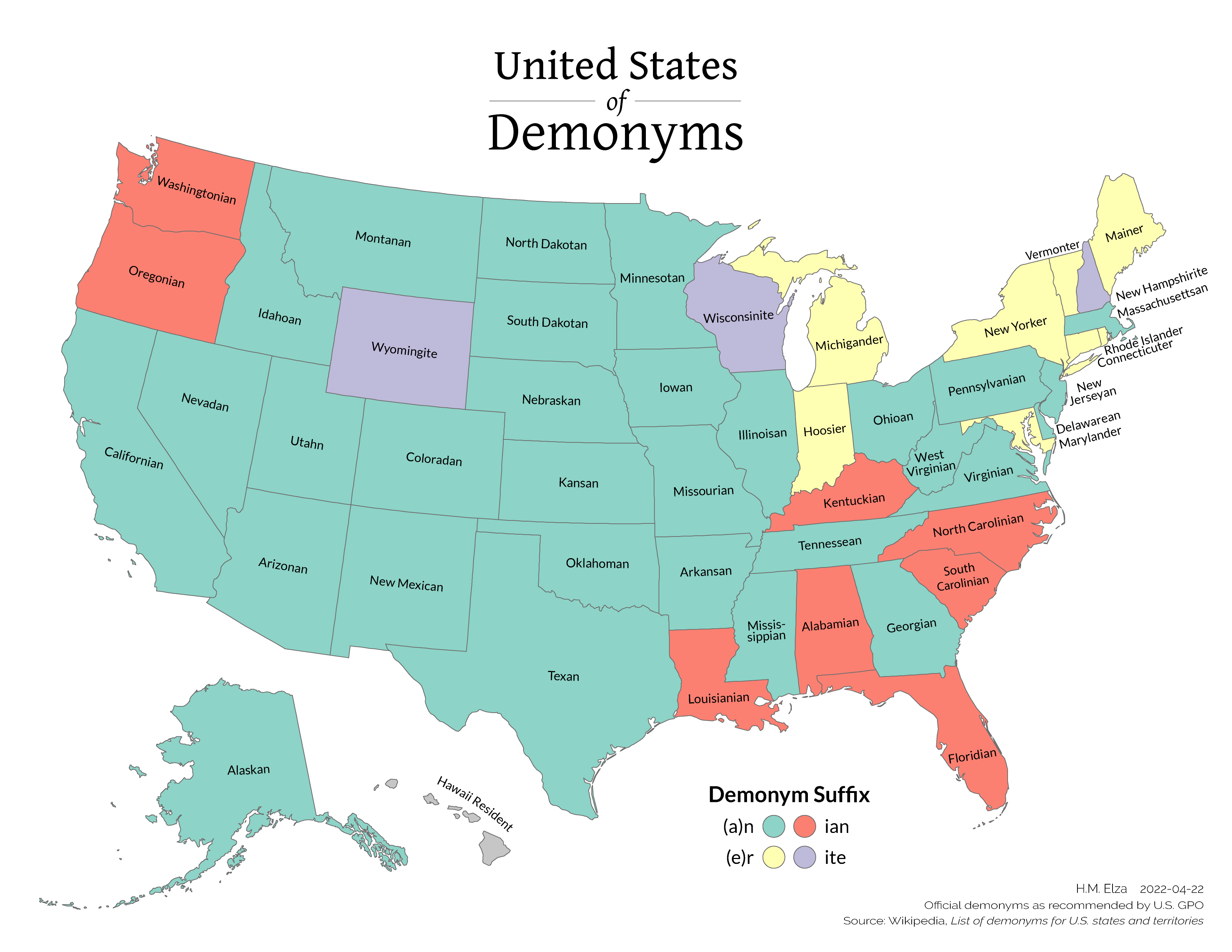
The vast, rugged landscapes of Montana evoke images of towering mountain ranges, golden plains, and a spirit of independence that is uniquely American. For those traveling to the Treasure State, understanding the local identity is as important as mapping out a route through Glacier National Park or visiting Yellowstone National Park. When you encounter the residents of this expansive territory, you are meeting a Montanan. While the term is simple, the cultural identity behind it is rich, multifaceted, and deeply rooted in the history of the American West.
The Identity of the Montanan
To be a Montanan is to be part of a community that prides itself on self-reliance, hospitality, and an intrinsic connection to the natural world. Unlike regions with complex demonyms or controversial nicknames, the people of Montana have embraced the straightforward identifier “Montanan.”
A Legacy of Resilience
The identity of the Montanan is shaped largely by the state’s environment. Because the state is geographically massive—ranking fourth in total area in the United States—the population density is remarkably low. This space has fostered a culture where residents often have to be their own first responders, mechanics, and neighbors. Whether you are in the bustling city of Bozeman, the historic streets of Helena, or the rural ranching communities near Missoula, the common thread is a profound respect for the land and the people who work it.
Cultural Pride and Local Etiquette
Montanans are known for a specific type of Western politeness. While they are often reserved when you first meet them, they are notoriously helpful. If a local sees a vehicle stranded near the Rocky Mountains, they are highly likely to stop and offer assistance. This is the bedrock of the Montanan identity: a blend of rugged individualism and communal responsibility. When visiting, acknowledging their home state as “Montana” rather than grouping it with other mountain states is a gesture of respect that is almost always noted and appreciated.
Geography as a Defining Feature
The culture of a Montanan is inseparable from the topography that surrounds them. The state is bisected by the Continental Divide, creating two distinct halves that influence everything from agriculture to local lifestyle.
Eastern Plains vs. Western Peaks
The state is often split between the “High Plains” in the east and the “Mountain West” in the west. A resident from the agricultural heartland near Billings may have a slightly different daily rhythm than someone living in the forested valleys near Kalispell. However, both identify firmly as Montanans. The transition from the flat, sweeping vistas of the east to the jagged, snow-capped peaks of the Bitterroot Range defines the visual and emotional landscape of their lives.

Connecting to the Wilderness
For the modern Montanan, the outdoors is not just a weekend destination; it is a way of life. Many residents spend their leisure time fly-fishing in the Missouri River, hiking the Cabinet Mountains, or hunting in the dense woodlands that cover much of the western portion of the state. Because they share their home with grizzly bears, elk, and wolves, they possess a unique environmental literacy. When you ask a local for travel advice, they are less likely to point you toward a tourist trap and more likely to recommend a hidden trailhead near Flathead Lake or a scenic route through the Beartooth Mountains.
Understanding Local Cultural Nuances
As a traveler, knowing what to call the locals is only the beginning. To truly engage with the culture of Montana, one must look at the traditions and values that define its people.
The Ranching Heritage
At the heart of the Montanan identity lies the ranching tradition. From the early mining days in Butte to the vast cattle spreads that dot the landscape, the “cowboy” spirit remains a central pillar of the local ethos. It is not uncommon to see locals wearing traditional Western attire, not as a costume, but as functional gear for their daily work. Engaging with this heritage—perhaps by visiting a working guest ranch or attending a local rodeo—is the best way to understand the values of hard work and stewardship that many Montanans hold dear.
Respecting the Space
One of the most important cultural rules for travelers is to respect the “Big Sky” mentality. This refers to the vast, open horizon, but also to the desire for privacy and space. Montanans are generally welcoming to tourists, but they deeply value their solitude. Being mindful of private land boundaries, practicing “Leave No Trace” ethics in the Custer Gallatin National Forest, and being a conscientious visitor are the best ways to earn the respect of the locals.

Tourism Tips for Engaging with Locals
If you are planning a trip to this magnificent state, keep these tips in mind to ensure your interactions are meaningful and respectful.
- Be Genuine: Montanans value authenticity. When striking up a conversation in a coffee shop in Whitefish or a tavern in Great Falls, avoid performative “tourist” talk. Simply ask questions about their favorite local trails or historical landmarks.
- Embrace the Pace: Life moves a little slower in the Rocky Mountain West. Do not be surprised if things are not as fast-paced as they might be in major metropolitan areas like New York City. Use this as an opportunity to slow down, disconnect from your devices, and actually enjoy the environment.
- Support Local Artisans: Many Montanans are makers, craftspeople, and artists. Instead of looking for mass-produced souvenirs, seek out shops in Livingston or Hamilton that sell goods created by regional artists. This supports the local economy and allows you to take home a piece of the state’s genuine culture.
- Learn the History: The history of Montana is complex, including the deep-seated history of Indigenous peoples like the Crow Tribe and the Blackfeet Nation. Acknowledging the original stewards of this land is part of being an informed and respectful visitor.
Ultimately, calling a person from Montana a “Montanan” is more than just using the correct noun; it is an acknowledgement of their deep connection to one of the most beautiful and rugged regions in the world. As you traverse the state, from the shadow of the Sapphire Mountains to the expansive valleys of the north, you will find that the people who call this place home are as impressive as the landscape itself. Whether you are here for the world-class skiing, the historical exploration, or simply to take in the silence of the wilderness, you will find that the residents are welcoming guides to their unique way of life. Respect their traditions, appreciate their stewardship, and you will find that a trip to this corner of the globe is an experience that stays with you long after you depart.
LifeOutOfTheBox is a participant in the Amazon Services LLC Associates Program, an affiliate advertising program designed to provide a means for sites to earn advertising fees by advertising and linking to Amazon.com. Amazon, the Amazon logo, AmazonSupply, and the AmazonSupply logo are trademarks of Amazon.com, Inc. or its affiliates. As an Amazon Associate we earn affiliate commissions from qualifying purchases.