
For many gardeners, homesteaders, and landscaping enthusiasts, understanding the plant hardiness zones of Montana is the first step toward a successful growing season. Nestled in the heart of the Rocky Mountains, this state presents a unique challenge for those looking to cultivate lush landscapes or productive vegetable gardens. Because the state’s topography ranges from deep river valleys to high-alpine peaks, the climate varies drastically, making it essential to understand these specific designations.
Understanding USDA Plant Hardiness Zones in the Treasure State
The United States Department of Agriculture (USDA) divides North America into zones based on the average annual minimum winter temperature. These zones help gardeners determine which plants are most likely to thrive in a specific location. In Montana, these zones span from a frigid Zone 3 in the highest mountain passes to a milder Zone 6 in lower-elevation pockets near the Yellowstone River.
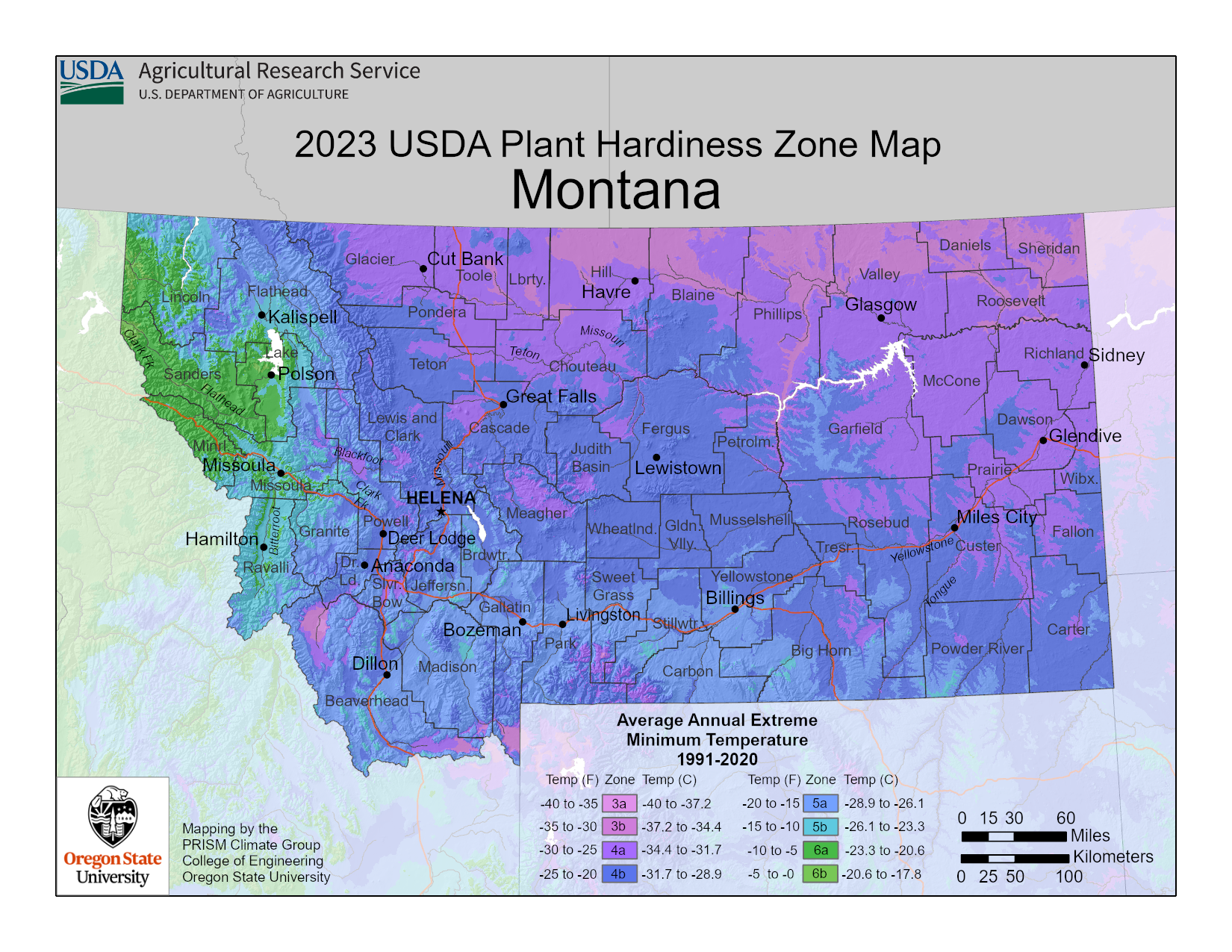
The Spectrum of Climate Diversity
Most of the state falls within Zones 3, 4, and 5. Zone 3, characterized by extreme cold, covers much of the high-altitude terrain near Glacier National Park and the northern Beartooth Mountains. In these areas, the frost-free window is remarkably short, often lasting only 60 to 90 days. Conversely, areas near Billings or along the Clark Fork River may benefit from the slightly more temperate influence of lower elevations, pushing them into the warmer end of Zone 5 or occasionally into Zone 6, which allows for a slightly broader selection of perennials and shrubs.
Why Elevation Dictates Success
Unlike states with uniform flat terrain, Montana is defined by its verticality. For every thousand feet you climb, the growing season compresses significantly. Even within a single county, such as Gallatin County, you might find a backyard garden sitting in a sheltered valley that acts as a microclimate, while a plot just five miles away at a higher elevation remains in a much colder zone. Identifying your exact zone requires more than a general map; it requires paying close attention to your local frost dates and the specific topography of your property.
Planning Your Garden Based on Hardiness Zones
Successfully gardening in Montana requires a shift in perspective. Gardeners in more temperate states might aim for long-season crops, but in the Mountain West, the focus must be on cold-hardy varieties and short-season maturation cycles.
Selecting Cold-Hardy Varieties
When shopping for perennials, trees, or shrubs, always look for the hardiness zone rating on the plant tag. If you are planting in Zone 3 or 4, you must select species that can survive temperatures plunging well below -20°F. Native species like the Rocky Mountain Juniper or the Quaking Aspen are excellent choices, as they have evolved to thrive in the harsh winters of Missoula and Bozeman.

Maximizing the Short Growing Window
Because the season is so fleeting, many successful gardeners in the region utilize “season extenders.” Cold frames, high tunnels, and row covers can help you cheat the system, effectively moving your garden up a zone. By protecting seedlings from late spring frosts in Helena or early autumn freezes in Great Falls, you can provide a stable environment for vegetables that typically require a longer period of warmth. It is common to see local gardeners starting their seeds indoors in March or April, waiting for the soil temperature to warm before transplanting into the ground.
Regional Microclimates and Local Challenges
It is a mistake to assume that the entire state shares one climate pattern. The influence of the Continental Divide creates distinct weather patterns on either side of the peaks.
Eastern vs. Western Influences
The eastern plains, stretching toward the Dakotas, often experience more extreme temperature swings and significant wind exposure. These winds can desiccate plants, making windbreaks essential for landscape survival. In contrast, the western half of the state experiences more Pacific-influenced air, which can moderate temperatures. However, even this can be deceptive; the mountainous terrain creates “cold pockets” where frost can settle even in the middle of summer.
The Importance of Soil and Moisture
Hardiness zones tell you about temperature, but they don’t tell you about soil moisture or acidity. Much of the soil in Montana is alkaline, which can inhibit the growth of certain acid-loving plants. Amending your soil with organic compost is a universal necessity for both the high-desert plains and the forested mountain regions. Furthermore, irrigation is critical. The state is semi-arid, and relying solely on rainfall is rarely sufficient for a home garden, particularly during the hot, dry months of July and August.
Sustainable Practices for Northern Gardeners
Gardening in a cold climate is a lesson in patience and resilience. By working with your specific Montana hardiness zone rather than against it, you can create a sustainable oasis.
Native Plant Stewardship
One of the most effective strategies is to focus on native plants. These species are not only adapted to the temperature extremes of your specific zone but are also accustomed to the regional precipitation levels. Integrating native wildflowers like the Bitterroot or various species of sagebrush not only ensures a higher survival rate but also supports the local ecosystem, including pollinators that are crucial for a productive vegetable garden.

Keeping Records of Your Garden’s Microclimate
The best advice for any resident of Kalispell or Havre is to keep a garden journal. Document when your first and last frosts occur each year. Over several seasons, you will see a pattern emerge that is more accurate than any national map. This personalized data allows you to plan your planting schedule with confidence, knowing exactly when to tuck your starts into the soil to ensure they have the best possible chance of reaching maturity before the inevitable onset of winter.
As you navigate the unique climate of this vast state, remember that the “growing zone” is merely a starting point. Your own observation of your land, the way the snow melts in your yard, and the way the sun tracks across your property are the true keys to mastering the art of gardening in the rugged beauty of the American West. Whether you are in the high-elevation zones of Butte or the lower river basins, the challenge of the landscape is what makes every harvest—and every blooming perennial—so incredibly rewarding.
LifeOutOfTheBox is a participant in the Amazon Services LLC Associates Program, an affiliate advertising program designed to provide a means for sites to earn advertising fees by advertising and linking to Amazon.com. Amazon, the Amazon logo, AmazonSupply, and the AmazonSupply logo are trademarks of Amazon.com, Inc. or its affiliates. As an Amazon Associate we earn affiliate commissions from qualifying purchases.