
For the traveling epicurean, dining in New York City is akin to a pilgrimage. From the high-end steakhouses of Midtown Manhattan to the bustling bistros of Brooklyn, the menu is often dominated by one iconic cut of beef: the New York Strip. Yet, despite its legendary status in the culinary landscape of the United States, many visitors find themselves curious about the anatomy behind the plate. Understanding exactly where this cut originates offers a deeper appreciation for the traditions of American butchery and the art of the perfect sear.
The Anatomical Origin: The Short Loin
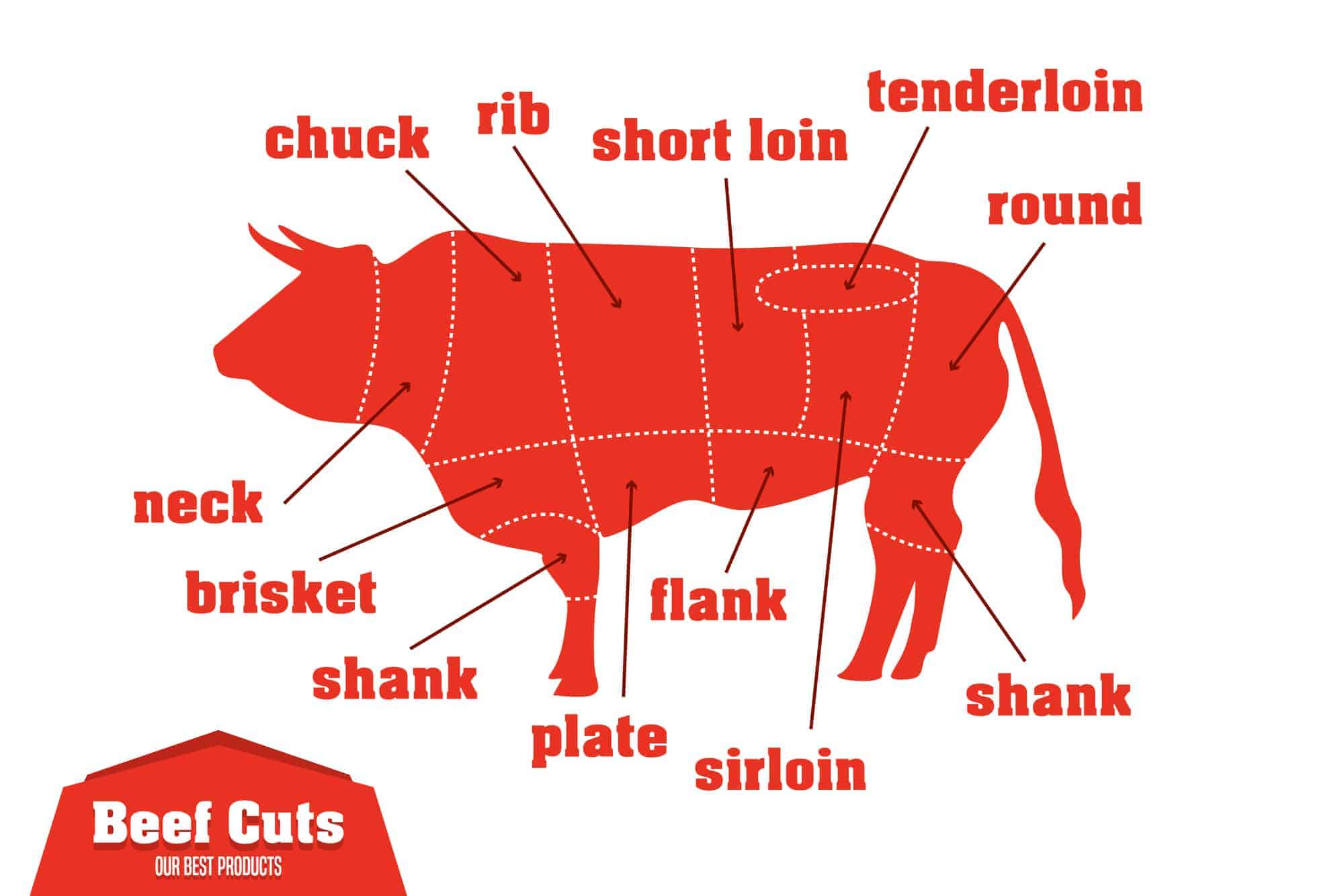
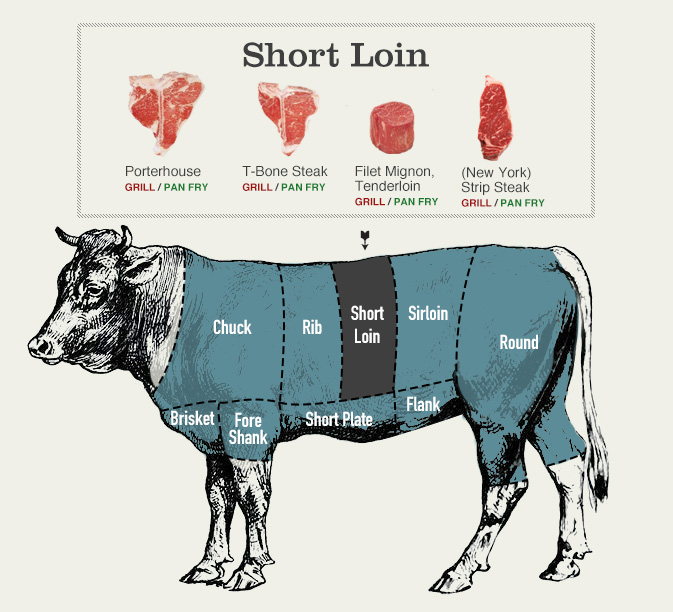
The New York Strip is derived from the subprimal cut known as the short loin. To visualize where this is on the animal, one must look at the bovine anatomy behind the ribs and before the sirloin. Because this area of the cow—the middle back—does very little work throughout the animal’s life, the muscles remain incredibly tender and well-marbled.
The Anatomy of Tenderness
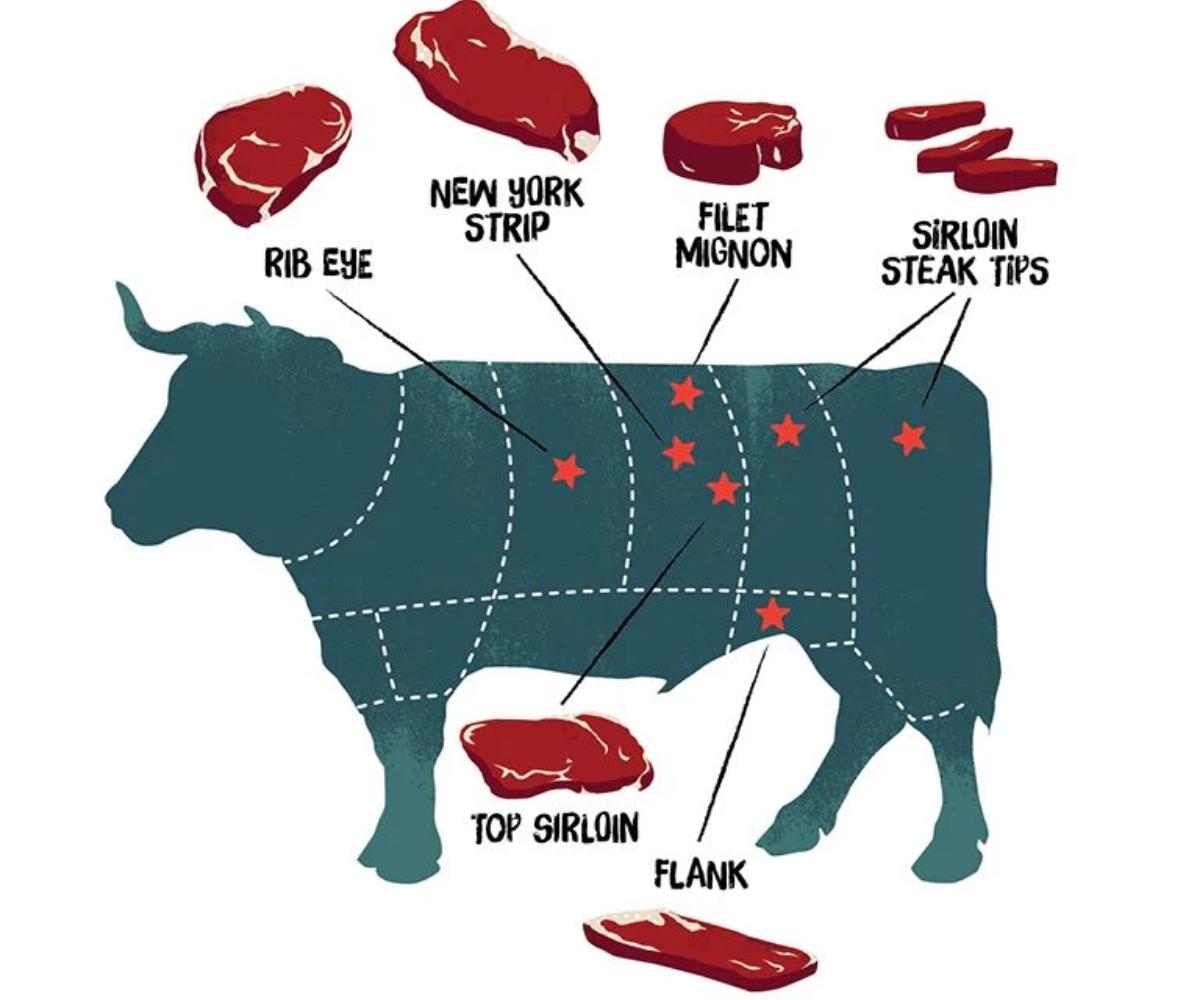
The short loin is home to the most prized steaks in the butchery world. When a butcher examines the short loin, they are looking at two primary muscles separated by a T-shaped bone. On one side of the bone sits the tenderloin, and on the other side sits the longissimus dorsi, or the top loin. The New York Strip is essentially the top loin portion, removed from the bone. Unlike the tenderloin, which is extremely soft but can lack a robust “beefy” flavor, the strip possesses a balance of tenderness and intense, savory depth.
Why “New York”?
The moniker itself is deeply rooted in the history of New York. While the cut is known globally as a strip steak, club steak, or shell steak, the “New York” prefix was popularized in the 19th century. During that era, the legendary Delmonico’s Restaurant in Lower Manhattan featured this specific cut as a signature offering. As travelers visited the city and experienced the dish, the association with the metropolitan food scene became cemented, eventually becoming a staple across steakhouses from Chicago to Las Vegas.
Distinguishing the Strip from Its Peers
When dining in a world-class restaurant, it is easy to confuse the various premium cuts. However, the New York Strip occupies a unique position in the hierarchy of beef. Understanding these differences is essential for any traveler looking to curate their own dining experience.
Strip vs. Ribeye
The most frequent comparison is between the New York Strip and the Ribeye. While both come from the primal rib and loin sections, the Ribeye originates from the rib section, which is closer to the shoulder. Because the rib area is more active than the loin, the Ribeye typically contains more intramuscular fat, or marbling, resulting in a richer, more decadent flavor profile. The New York Strip, by contrast, has a firmer texture and a tighter grain, making it the preferred choice for those who want a steak that provides a bit more “bite” without sacrificing tenderness.
The Role of the Fat Cap
A defining characteristic of an authentic New York Strip is the fat cap running along one side of the steak. This layer of exterior fat is not merely for aesthetics; during the cooking process, it renders down, basting the meat in its own juices and imparting a rich, buttery flavor to the lean muscle. When prepared properly by a skilled chef—often in a high-heat environment like a cast-iron skillet—this fat cap becomes crispy and delicious, providing a textural contrast that defines the experience of eating a high-quality strip.
Cultural Significance in American Gastronomy
The New York Strip is more than just a piece of protein; it is a cultural icon that reflects the American approach to food and hospitality. It represents a history of agricultural prowess and the evolution of the modern dining industry.
The Steakhouse Tradition
In cities like San Francisco or Boston, the steakhouse remains a cornerstone of the hospitality industry. These establishments are often designed to celebrate the purity of the product. The preparation of a New York Strip is intentionally minimalist: typically, it is seasoned with kosher salt and black pepper, seared over intense heat, and finished with a knob of butter. This method honors the quality of the beef, a philosophy that has been passed down through generations of culinary professionals in the Northeast.
Sourcing and Sustainability
In contemporary culinary circles, there is an increasing focus on the provenance of the beef. Travelers interested in the farm-to-table movement will find that the best New York Strips are sourced from cattle raised on specific diets—often grass-finished or corn-finished, depending on the region. The marbling, which is the white flecks of fat within the muscle, is the primary indicator of quality. Many upscale establishments now provide detailed information regarding the origin of their beef, from the pastures of Montana to the sustainable farms of Texas, allowing the consumer to connect the steak on their plate to the broader landscape of the country.
Tips for the Discerning Traveler
For those planning a culinary tour, knowing what to look for on a menu can significantly elevate the dining experience. Not all strip steaks are created equal, and understanding the nuances of the industry will help you make more informed choices.
Identifying Quality
When reviewing a menu, look for terms like “Prime” or “Dry-Aged.” The USDA Prime classification indicates the highest level of marbling, ensuring a succulent eating experience. Dry-aging, a process where the beef is hung in a climate-controlled room for several weeks, allows enzymes to break down the connective tissue and concentrate the flavor, resulting in a steak that is noticeably more complex and nutty than a “wet-aged” or fresh-cut alternative.
The Importance of Preparation
If you find yourself in a city known for its food culture, such as New Orleans, pay attention to the preparation method. A true New York Strip benefits from a crust-forming sear. If the restaurant uses a wood-fired grill, the smoky notes will complement the natural minerality of the beef. If they prioritize a classic butter-baste, the result will be more reminiscent of the traditional French-influenced kitchens of the early 20th century. By asking the server about the preparation—whether it is grilled over hardwood or seared in a cast-iron pan—you can better anticipate the flavor profile of your meal.
Ultimately, the New York Strip is a testament to the simplicity of great food. By understanding its position in the cow’s anatomy, its historical roots, and the culinary techniques that bring out its best qualities, you transform a standard dinner into an informed exploration of flavor. Whether you are savoring a meal in a historic Manhattan institution or a modern boutique eatery, you are participating in a tradition that spans the history of the United States. The next time you order a strip steak, you will know exactly which part of the cow you are enjoying—the tender, flavor-forward jewel of the short loin.
LifeOutOfTheBox is a participant in the Amazon Services LLC Associates Program, an affiliate advertising program designed to provide a means for sites to earn advertising fees by advertising and linking to Amazon.com. Amazon, the Amazon logo, AmazonSupply, and the AmazonSupply logo are trademarks of Amazon.com, Inc. or its affiliates. As an Amazon Associate we earn affiliate commissions from qualifying purchases.