
As the fourth-largest state in the United States by land area, Montana offers a sprawling, untamed landscape that seems to stretch infinitely toward the horizon. Known famously as “Big Sky Country,” its geography is defined by the rugged peaks of the Rocky Mountains to the west and the expansive, rolling prairies of the Great Plains to the east. For travelers and potential residents alike, understanding the population of Montana provides a deeper appreciation for why this state remains one of the last true frontiers in the country.
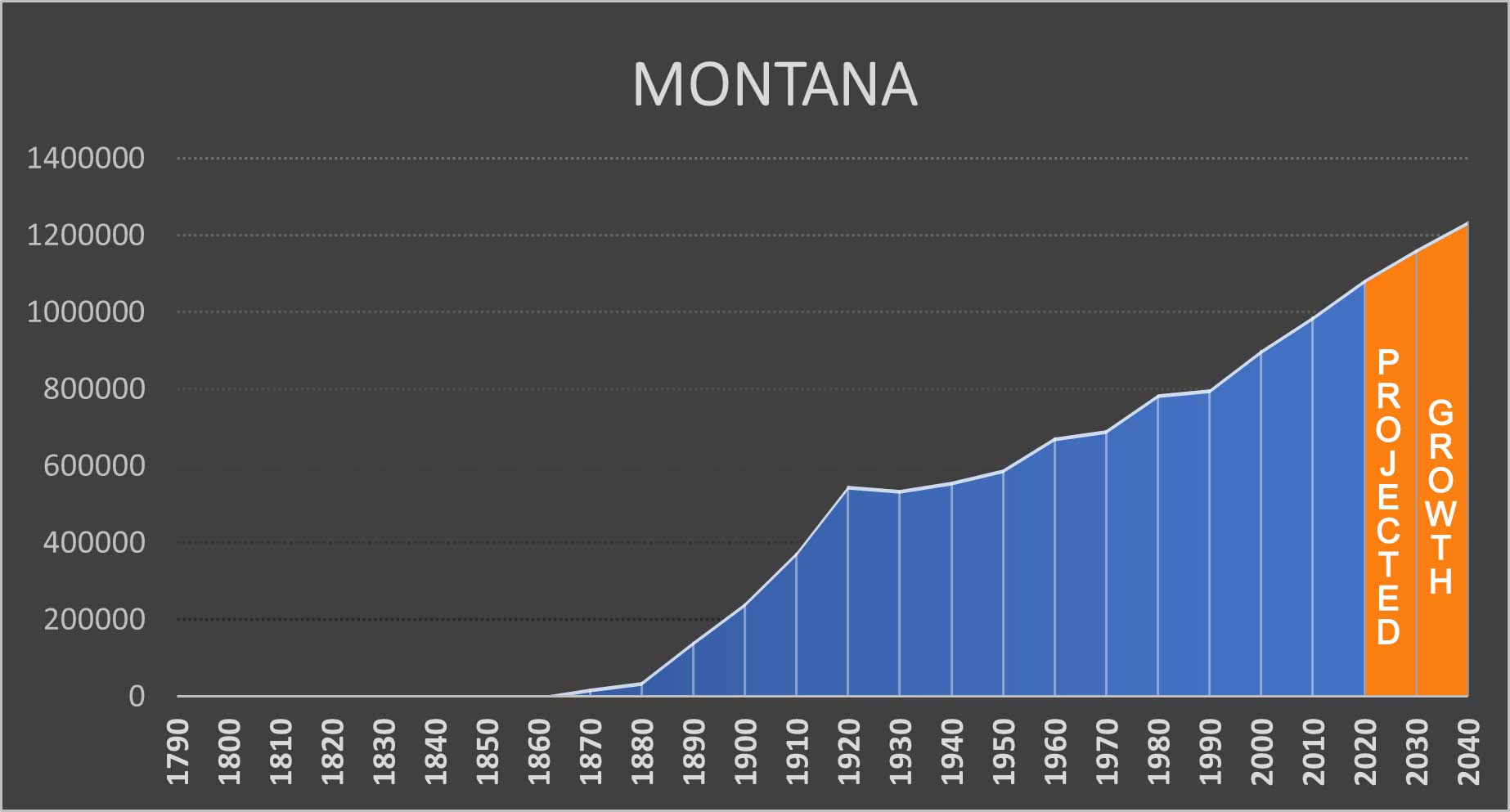
With a current population hovering just above 1.1 million people, Montana remains one of the least densely populated states in the nation. This low population density is not merely a demographic statistic; it is the defining characteristic of the Montana experience. Whether you are navigating the winding roads of Glacier National Park or exploring the historic streets of Helena, the sense of space and solitude is palpable.

The Demographic Landscape of Big Sky Country
The growth of Montana has been a study in slow but steady expansion. Unlike coastal states that see rapid urban densification, Montana has historically maintained a more measured pace. This demographic stability has allowed the state to preserve its natural beauty and authentic western culture, drawing in visitors who seek a reprieve from the hyper-connected, high-density environments of major metropolitan hubs.
Urban Centers and Population Density
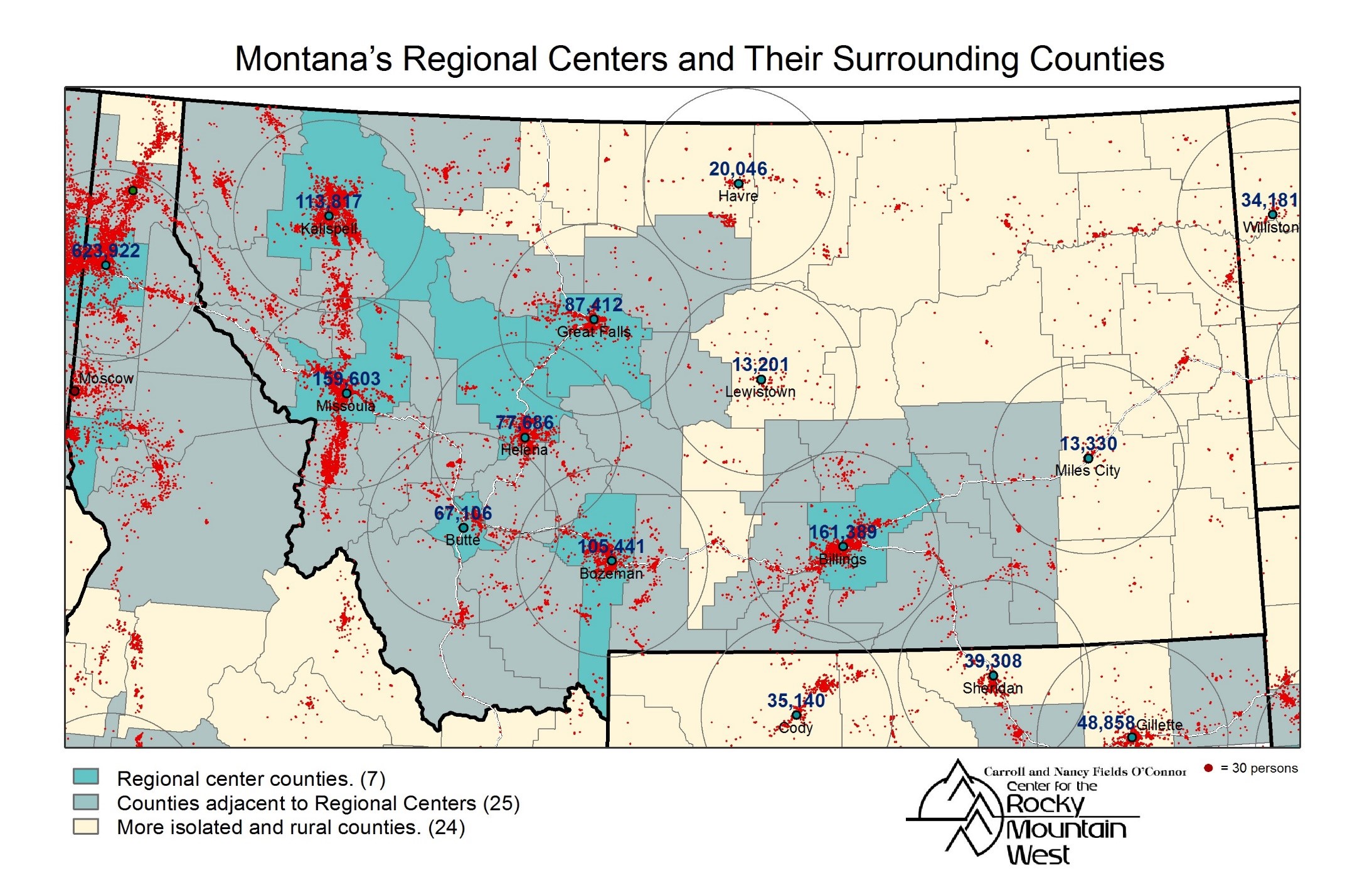
While the state covers over 147,000 square miles, its population is concentrated in a handful of key urban centers. Billings, the largest city in the state, serves as an economic and cultural hub. Following Billings, cities like Missoula, Bozeman, and Great Falls hold the bulk of the population.
Even in these “major” cities, the atmosphere remains distinctly un-crowded. Bozeman, in particular, has seen significant growth in recent years as remote workers and outdoor enthusiasts flock to the region for its proximity to Yellowstone National Park. Despite this growth, the state still averages only about seven people per square mile, a stark contrast to the national average.
Rural Living and Small-Town Charm
Outside of the primary hubs, the essence of Montana is found in its small, quiet towns and vast ranchlands. Communities tucked away near the Bitterroot Valley or scattered across the plains of Eastern Montana offer a lifestyle rooted in local tradition, agriculture, and an intimate connection to the land. For the traveler, these areas provide a glimpse into a way of life that feels refreshingly removed from the stresses of modern, high-traffic tourism corridors.
The Impact of Tourism on Local Demographics
The relationship between Montana’s population and its tourism sector is profound. With over 12 million visitors passing through annually, the number of people in the state at any given time often swells far beyond the resident headcount. This influx is managed through a delicate balance, ensuring that the infrastructure—ranging from the high-end lodges of Whitefish to the camping grounds of Flathead Lake—can support the surge without compromising the quality of life for permanent residents.
Seasonal Population Flux
Tourism in Montana is inherently seasonal. During the summer months, the state becomes a magnet for hikers, fly-fishers, and photographers eager to capture the splendor of the Beartooth Mountains. In the winter, the population shifts as enthusiasts head to Big Sky Resort or Whitefish Mountain Resort for world-class skiing. This seasonal fluctuation means that, while the permanent census remains low, the “effective population” is a dynamic figure that shapes the economy of every town from Kalispell to Livingston.
Sustainable Tourism Practices
Because the population is relatively sparse, the state relies on a culture of stewardship. Residents and tourism boards emphasize the importance of “Leave No Trace” principles. The challenge for Montana is to continue welcoming visitors to experience landmarks like the Little Bighorn Battlefield National Monument without encroaching upon the quiet, wild nature that brought those visitors to the state in the first place.
Why Sparsity Defines the Montana Experience
The low population of Montana is exactly what makes it a world-class destination. In a world of increasing urbanization, finding a place where you can drive for hours without seeing a skyscraper or a traffic jam is a rare luxury.
Unrivaled Access to Wilderness
Because there are fewer people, there is significantly more public land. The Gallatin National Forest and the Bob Marshall Wilderness are prime examples of the vast, protected spaces that are accessible to both residents and tourists. The population density allows for a level of wilderness access that simply does not exist in more heavily populated states. Whether you are trekking through the Absaroka-Beartooth Wilderness or fly-fishing on the Madison River, you are likely to find the solitude that is often impossible to secure elsewhere.
The Human Element: Local Culture and Hospitality
Despite the low population numbers, the residents of Montana are known for their hospitality and deep-seated pride in their state. Visitors often find that the limited population density translates into more genuine, meaningful interactions with locals. Whether you are grabbing a coffee in Red Lodge or attending a local rodeo in Miles City, you are met with a down-to-earth kindness that characterizes the spirit of the American West.
This human element is the backbone of the state’s tourism success. It is not just about the sights; it is about the pace of life. When the population is spread thin, the culture follows suit—prioritizing depth over breadth, community over congestion, and history over modern trends.
In conclusion, while the population of Montana might be modest, its impact on the visitor experience is massive. By maintaining a balance between growth and preservation, the state ensures that it remains a beacon for those seeking to reconnect with the natural world. From the peaks of the Cabinet Mountains to the plains of Eastern Montana, the state continues to offer a rare, spacious, and beautiful sanctuary for all who choose to wander through its big, open skies.
LifeOutOfTheBox is a participant in the Amazon Services LLC Associates Program, an affiliate advertising program designed to provide a means for sites to earn advertising fees by advertising and linking to Amazon.com. Amazon, the Amazon logo, AmazonSupply, and the AmazonSupply logo are trademarks of Amazon.com, Inc. or its affiliates. As an Amazon Associate we earn affiliate commissions from qualifying purchases.