
When residents across the Sunflower State notice the sight of the Stars and Stripes fluttering at half-staff, it serves as a solemn reminder of the deep traditions and civic respect inherent in the American experience. In Kansas, these displays are not merely routine; they are significant markers of local history, national mourning, and the shared identity of the communities that span from the bustling streets of Wichita to the historic corridors of Topeka. Understanding why these flags are lowered requires a look into the protocol, the regional history, and the way the state honors those who have contributed to the cultural tapestry of the United States.

The Protocol of Respect and National Mourning
The act of flying a flag at half-staff is a gesture of profound respect, a universal symbol of grief observed by nations across the globe. In the United States, this practice is governed by clear federal guidelines, though individual states often adopt specific mandates under the authority of their governors.
Understanding Federal Mandates
Federal law dictates that flags should be flown at half-staff upon the death of principal figures in the government, such as the President, the Vice President, the Chief Justice of the Supreme Court, or members of Congress. These proclamations are typically issued from Washington D.C. and are intended to unite the country in shared recognition of a life of public service. When a national tragedy occurs—such as a natural disaster, a terrorist attack, or an event resulting in significant loss of life—the President may order the lowering of flags nationwide. For a resident in Overland Park or Lawrence, these moments represent a tangible connection to the broader national collective, transforming the familiar landscape into a space of shared solemnity.
The Role of the Kansas Governor
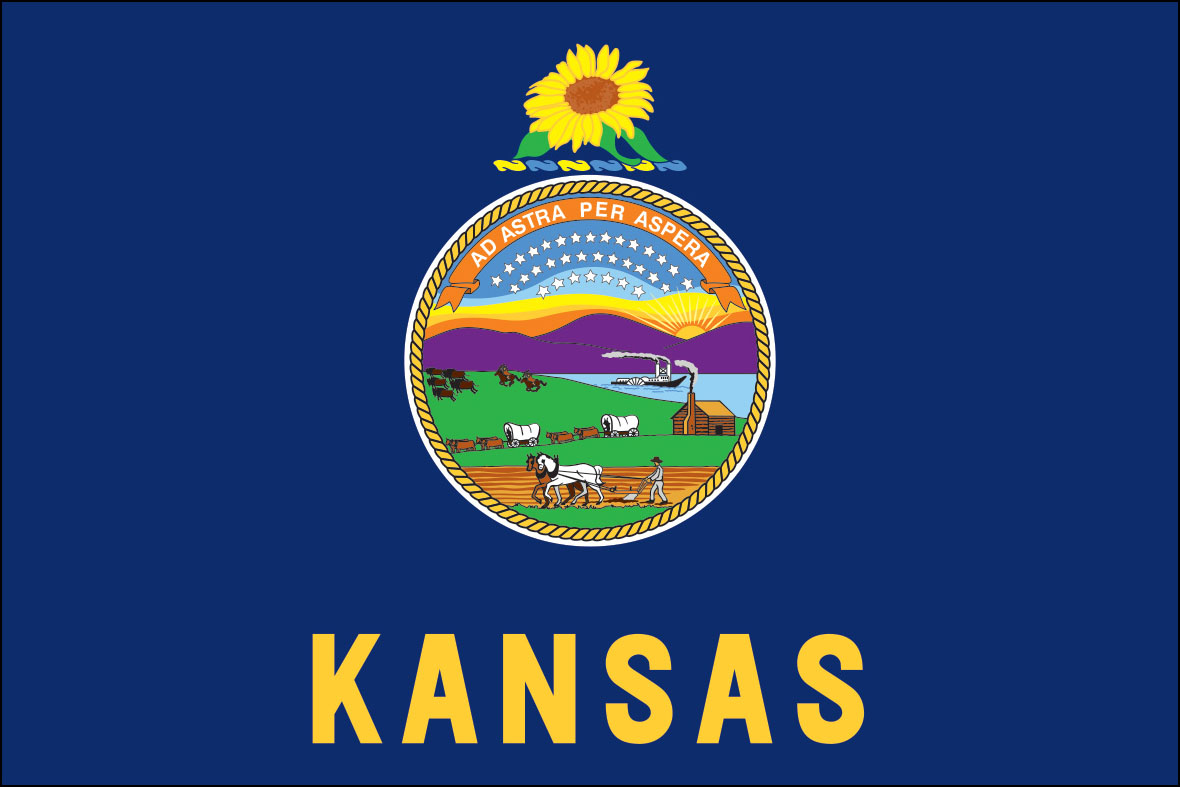
Beyond federal mandates, the Governor of Kansas possesses the authority to order flags within the state to be flown at half-staff to honor individuals who have served the state with distinction. This often includes local law enforcement officers, firefighters, or public servants who have lost their lives in the line of duty. These local proclamations are deeply personal to the communities involved. When a flag is lowered at the Kansas State Capitol, it signals to the citizenry that someone of importance to the Kansas community has passed. This tradition fosters a sense of unity, ensuring that even in the vast plains of the Midwest, the service and sacrifice of individuals are not forgotten.
Landmarks and the Cultural Geography of Remembrance
The visual impact of a half-staff flag is often most profound when viewed against the backdrop of iconic sites. The architecture of remembrance in Kansas is varied, reflecting both the state’s agricultural roots and its pivotal role in American history.
Honoring History at State Landmarks
Many of the most recognizable locations in the state serve as focal points during times of mourning. At the Eisenhower Presidential Library in Abilene, for instance, the lowering of the flag is a somber occurrence that recalls the profound legacy of a native son who led the nation through some of its most challenging times. Similarly, sites associated with the Civil War or the expansion of the American West often fly their flags at half-staff to commemorate the historical figures who shaped the destiny of the region.
Community Spaces and Public Squares
The act of lowering flags extends far beyond government buildings. It is a practice observed at local schools, municipal parks, and civic centers. In towns like Dodge City, the visual rhythm of the downtown area changes when the flags are lowered. It invites locals and travelers alike to pause and consider the weight of the moment. These spaces act as communal anchors, where the culture of respect is passed down from one generation to the next. When a visitor encounters a flag at half-staff while exploring the Tallgrass Prairie National Preserve, the stillness of the landscape seems to amplify the gravity of the signal, creating a powerful, reflective travel experience.
Navigating the Reason Behind the Signal
For those who may be visiting or moving through Kansas, the sight of a lowered flag often prompts a search for information. Determining the specific reason for the half-staff display is a common inquiry that highlights the transparency of modern civic engagement.
Where to Find Accurate Information
In the digital age, information regarding flag status is readily available. The official website of the Governor of Kansas is the primary source for state-level proclamations. Additionally, local news outlets in cities like Manhattan or Salina frequently provide updates, explaining who is being honored and why the flag has been lowered. Keeping an eye on these digital portals is the most efficient way to understand the context of the display and pay proper respect to the individual or event being acknowledged.
The Importance of Civility and Awareness
Engaging with the local culture means being aware of the environment, both socially and historically. Recognizing why flags are at half-staff is an act of civic literacy. It shows an appreciation for the community’s values and a commitment to observing local customs. Whether one is passing through on a road trip across the Great Plains or spending an extended period in a local community, acknowledging these moments of public grief is a hallmark of a thoughtful and engaged traveler. It allows for a deeper connection to the people of Kansas, bridging the gap between a transient visit and a meaningful interaction with the state’s heart and soul.
A Legacy of Shared Values
The tradition of flying the flag at half-staff is more than just a procedural requirement; it is a profound expression of our shared humanity. In a state defined by its resilience and community-oriented spirit, these moments of collective reflection serve to bind neighbors together.
Resilience in the Face of Adversity
Kansas has weathered many challenges throughout its history, from environmental hardships to the losses inherent in any society. Through every trial, the state’s response—marked by dignity and communal support—has remained consistent. The flag serves as a focal point for this resilience. When the flags are lowered, the state acknowledges that while loss is inevitable, the strength of the community is enduring.

Teaching Future Generations
For educators and families, these instances provide an opportunity to discuss the history and values that the flag represents. By explaining the significance of a flag at half-staff, adults help children understand the importance of empathy, service, and public duty. This pedagogical aspect of flag protocol ensures that the heritage of the state remains vibrant and alive. It transforms a piece of cloth into a living symbol of the Kansas character—steadfast, respectful, and deeply connected to the broader story of the American experience.
As you travel through the state, from the high horizons of the west to the historic river communities of the east, remember that each flag is a sentinel of the state’s collective history. Whether it is a federal mandate honoring a national leader or a state proclamation mourning a local hero, the half-staff flag invites all of us to pause, acknowledge, and appreciate the lives that have helped shape the world around us. In this simple act of lowering a flag, we find a powerful, unified voice that speaks to the very essence of what it means to be a part of a community.
LifeOutOfTheBox is a participant in the Amazon Services LLC Associates Program, an affiliate advertising program designed to provide a means for sites to earn advertising fees by advertising and linking to Amazon.com. Amazon, the Amazon logo, AmazonSupply, and the AmazonSupply logo are trademarks of Amazon.com, Inc. or its affiliates. As an Amazon Associate we earn affiliate commissions from qualifying purchases.