
Montana, known famously as “Big Sky Country,” is a sprawling landscape of jagged peaks, crystalline rivers, and vast, rolling prairies. For the traveler seeking a respite from the bustle of urban life, there is perhaps no better destination in the United States to reconnect with the raw, untamed spirit of the wilderness. From the northern reaches of the Rocky Mountains to the high desert plains, the diversity of the landscape offers an endless array of experiences. Planning a trip to this majestic state requires careful selection, as the sheer size of the region means travel times can be significant. By focusing on distinct geographical hubs, visitors can curate an itinerary that highlights the best of the American West.
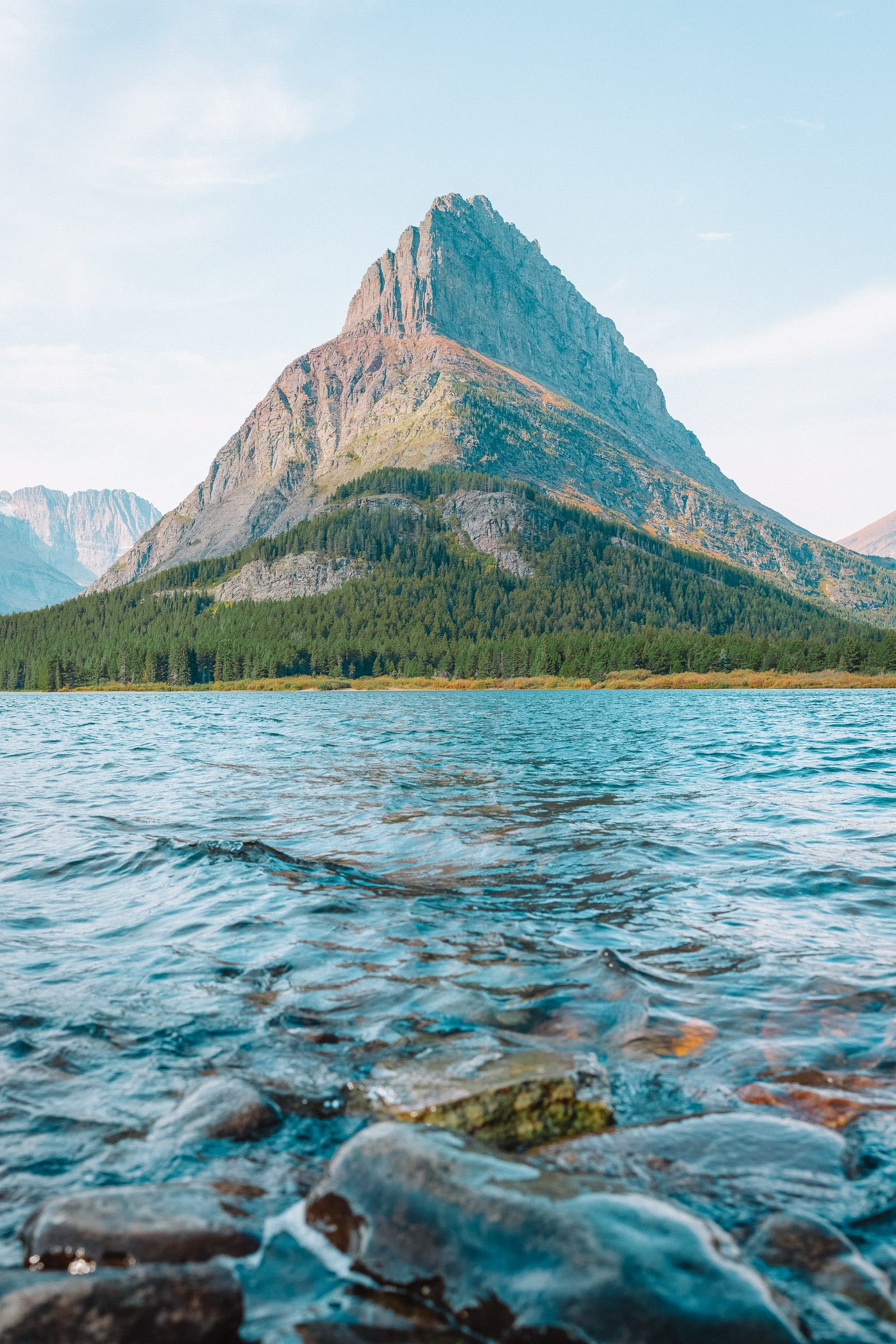
The Crown Jewel of the Continent: Glacier National Park
Located in the northwestern corner of the state, Glacier National Park is arguably the most breathtaking destination in the country. Often referred to as the “Crown of the Continent,” this park encompasses over one million acres of preserved forest, alpine meadows, and glacier-carved valleys.
Exploring the Going-to-the-Sun Road
The centerpiece of any visit here is the Going-to-the-Sun Road. This engineering marvel spans 50 miles, climbing across the Continental Divide at Logan Pass. Driving this route offers unparalleled vistas, with vertical cliffs dropping into valleys filled with wildflowers and ancient glaciers. Visitors are encouraged to stop at various pull-offs to photograph the alpine scenery, but be aware that road access is strictly seasonal, typically opening in late June or early July depending on the winter snowpack.
Hiking the Highline Trail
For those seeking an active adventure, the Highline Trail provides one of the most iconic hiking experiences in the world. Carved into the side of the Garden Wall, this path offers wide-angle views of the surrounding peaks. It is a challenging but rewarding trek that brings hikers face-to-face with the rugged terrain that defines this region. Wildlife enthusiasts should keep a sharp eye out for mountain goats and bighorn sheep, which are common sightings along the high rocky ledges.
Southwestern Wonders: Yellowstone and Beyond
While Yellowstone National Park is often associated with Wyoming, a significant portion of its northern gate lies within the borders of Montana. This region serves as an essential stop for those interested in geological wonders and unique wildlife encounters.
The Gateway of Gardiner
The town of Gardiner serves as the primary entrance to the park’s north side. It is home to the famous Roosevelt Arch, a historic stone structure that welcomes millions of travelers. From here, visitors can easily access Mammoth Hot Springs, where cascading travertine terraces create an otherworldly landscape that shifts colors throughout the seasons.
The Lamar Valley Experience
Known as the “Serengeti of North America,” the Lamar Valley is a premier location for wolf and bear watching. Unlike the more crowded thermal areas, this valley is quiet and vast, allowing visitors to witness herds of bison and elk migrating across the open plains. Early morning is the best time to visit, as the valley’s inhabitants are most active at dawn.
Cultural and Urban Exploration: Bozeman and Missoula
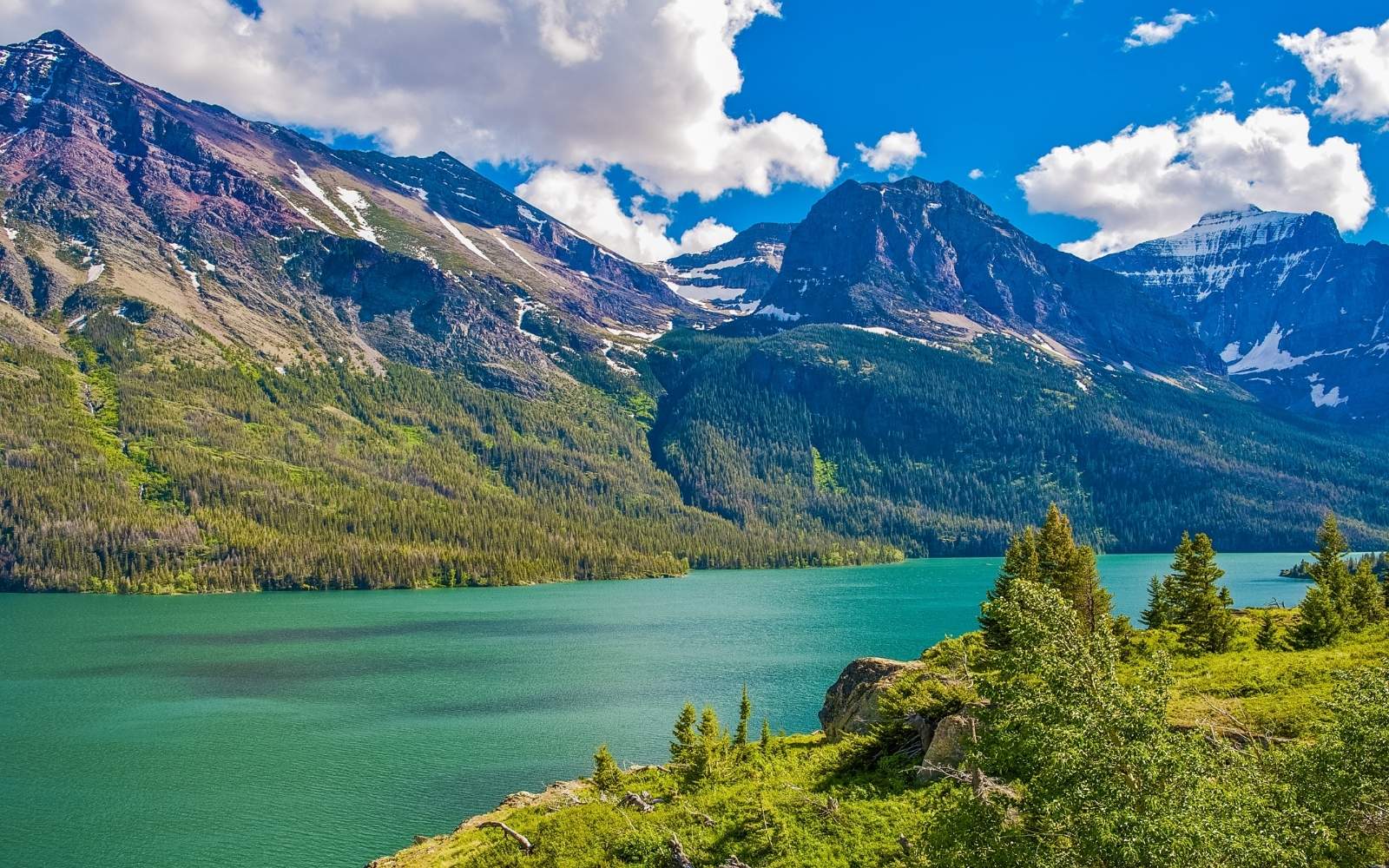
Beyond the wilderness, Montana’s cities offer a blend of frontier history, art, and modern mountain culture. These hubs provide the necessary infrastructure for comfort while serving as excellent base camps for regional excursions.
Bozeman: The Heart of the Rockies
Bozeman has transformed from a quiet ranching town into a vibrant center for culture and outdoor recreation. Home to Montana State University, the city boasts a youthful energy, reflected in its bustling downtown streets lined with craft breweries, art galleries, and farm-to-table restaurants. A visit to the Museum of the Rockies is essential for anyone interested in the region’s deep history, particularly its world-class collection of dinosaur fossils discovered in the surrounding sediment.
Missoula: The Cultural Oasis
Located in the western part of the state, Missoula sits at the convergence of five major mountain valleys. The city is famous for its literary history and its proximity to the Clark Fork River, which runs directly through the downtown area. Residents and visitors alike take advantage of the river for fly fishing and tubing. The University of Montana campus adds a sophisticated academic feel, balanced by the rugged, rustic atmosphere of the nearby Bitterroot Range.
The Untamed East: The Missouri River Breaks
For the traveler looking to avoid the crowds, the eastern and central regions of Montana offer a different kind of beauty. The Upper Missouri River Breaks National Monument consists of deep, winding canyons and stark badlands that look much the same today as they did when Lewis and Clark passed through over two centuries ago.
River Expeditions
Traveling by boat or canoe down the Missouri River is the best way to experience the scale of this region. The landscape is characterized by imposing sandstone cliffs and an eerie, beautiful silence that is rarely found in more commercialized travel destinations. It is a place for quiet reflection, stargazing, and deep immersion into the history of the American West.
Little Bighorn Battlefield
Further east, history enthusiasts should visit the Little Bighorn Battlefield National Monument. This solemn site honors the Battle of the Little Bighorn between the United States Army and the Lakota Sioux and Cheyenne tribes. The site is a poignant reminder of the complex and often tragic history that shaped the development of this state.

Practical Tips for Your Montana Journey
Visiting Montana requires a degree of preparation to ensure a safe and enjoyable trip. The weather is notoriously unpredictable, with mountain passes capable of experiencing snow even in the summer months.
- Seasonal Timing: The best window for travel is mid-July through September. During this time, high-altitude roads are clear, and the rivers are calm enough for rafting or fishing.
- Connectivity: Cell service can be non-existent in the remote wilderness. Always carry paper maps and download offline versions of GPS applications before leaving major towns.
- Wildlife Safety: You are in bear country. Whether in Glacier National Park or the backcountry, carrying bear spray and knowing how to use it is a standard safety precaution for any visitor.
- Respect the Land: Montana is vast, but it is also fragile. Adhere strictly to “Leave No Trace” principles to ensure that the pristine environment remains untouched for future generations.
Whether you are seeking the thrill of a mountain hike or the quiet solitude of a riverbank, Montana provides an experience that is as big as its skies. By balancing your time between the high-octane adventures of the west and the historical depths of the east, you will capture the true essence of this magnificent state.
LifeOutOfTheBox is a participant in the Amazon Services LLC Associates Program, an affiliate advertising program designed to provide a means for sites to earn advertising fees by advertising and linking to Amazon.com. Amazon, the Amazon logo, AmazonSupply, and the AmazonSupply logo are trademarks of Amazon.com, Inc. or its affiliates. As an Amazon Associate we earn affiliate commissions from qualifying purchases.