
When planning a trip to the vibrant streets of New Orleans or exploring the historic districts of Baton Rouge, travelers often focus on the logistics of dining, sightseeing, and accommodation. However, understanding the legal landscape of the state you are visiting is a crucial, if often overlooked, aspect of responsible tourism. One of the most common questions regarding local laws involves recording conversations—whether it be during a guided tour of the French Quarter, an interaction with a hotel concierge at The Roosevelt New Orleans, or documenting a unique cultural performance.
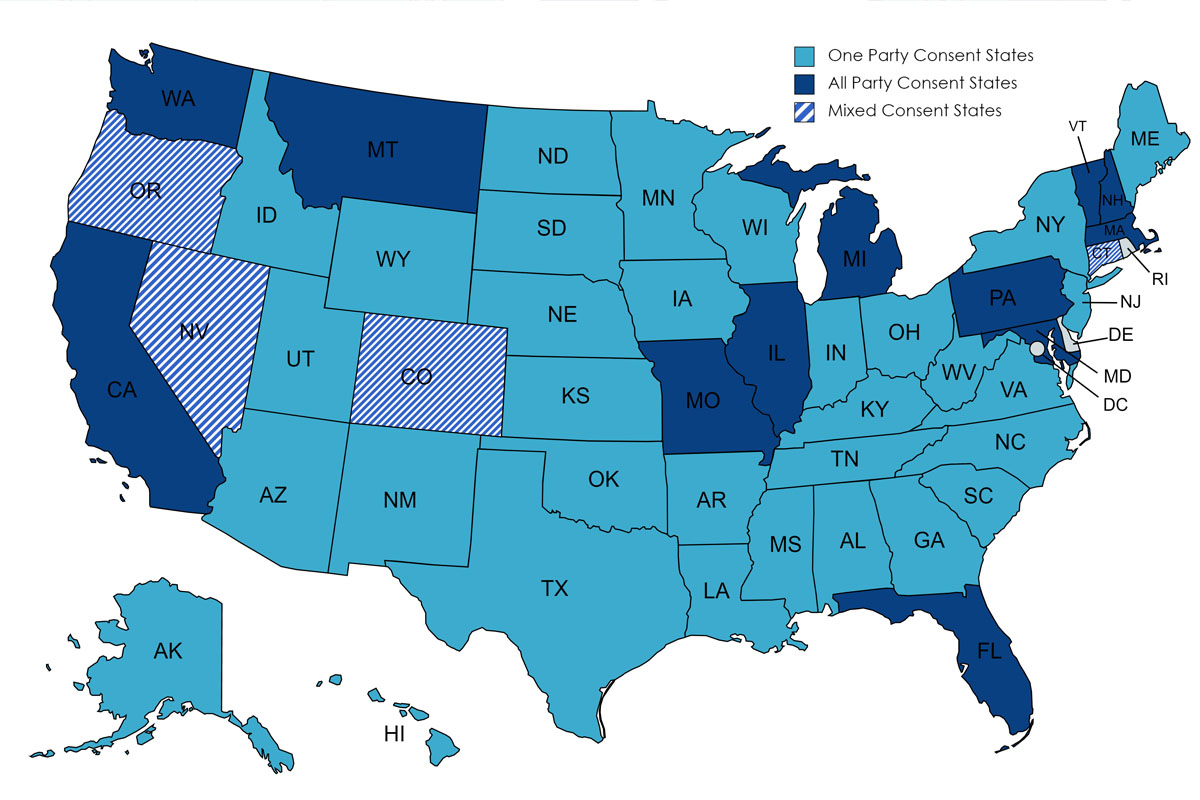
To answer the fundamental question: Yes, Louisiana is a “one-party consent” state. This legal distinction fundamentally shapes how visitors and residents alike can engage with the world around them through audio recording.

Understanding One-Party Consent in the Bayou State
The legal framework governing electronic eavesdropping and recording in United States jurisdictions varies significantly. In many states, all parties involved in a conversation must explicitly consent to being recorded. Louisiana, however, operates under a more permissive statute, specifically Louisiana Revised Statutes § 15:1303.
What the Law Means for Travelers
Under this statute, it is generally legal to record an in-person or electronic conversation provided that at least one party to the conversation consents to the recording. In practical terms, this means that if you are a participant in a conversation, you have the legal right to record it without informing the other person or persons involved.
This creates a specific set of expectations for those visiting the Gulf Coast. If you are speaking with a local shop owner on Royal Street or participating in an interview for a travel vlog while visiting Jackson Square, you are not legally required to announce your intent to record. You are the “one party” providing the necessary consent.
Limitations and Exceptions
While the law is permissive, it is not a “get out of jail free” card for all forms of recording. The law applies only to scenarios where you are a participant in the conversation. You cannot, for example, hide a recording device in a room at Hotel Monteleone to listen to private conversations between other guests or staff members. Doing so would violate federal wiretapping laws and local privacy statutes regarding “expectations of privacy.”
Furthermore, while the legal threshold is met by one-party consent, ethical considerations remain paramount for the conscientious traveler. Recording a private, intimate, or sensitive conversation without the knowledge of the other party may be legal, but it can lead to severe social repercussions, loss of trust, and potential removal from private establishments.
Navigating Private Property and Public Spaces
The distinction between public and private spaces is vital when navigating Louisiana as a tourist. Even in a one-party consent state, the owner of a property reserves the right to set their own rules regarding recording devices.
Rules within Hotels and Resorts
If you are staying at a luxury property like The Ritz-Carlton New Orleans or a boutique lodge in Lafayette, you are bound by the terms and conditions of that establishment. While you may have a legal right to record your own conversations, hotels frequently prohibit the use of recording equipment in common areas, lounges, or during private events held on their premises.
Staff at venues such as Windsor Court Hotel have the authority to ask you to stop recording or to remove your device if it disrupts other guests or violates the property’s privacy policy. Failure to comply can result in being asked to leave the premises, turning a pleasant stay into a logistical headache.
Recording in Public Tourist Attractions
When visiting landmarks such as City Park or the National World War II Museum, recording is generally viewed through the lens of public enjoyment. In these spaces, you are free to record your personal interactions and observations. However, be mindful of specific restrictions regarding commercial photography or video equipment. Some sites require permits for professional-grade gear, even if the act of recording a conversation itself is protected under state law.
Ethical Considerations for Ethical Tourism
Just because you can do something does not always mean you should. In the context of travel, the goal is often to immerse oneself in the local culture, such as the jazz scene of Frenchmen Street or the history of Plantation Alley.
Building Trust with Locals
When interacting with residents in New Orleans or rural Acadiana, transparency often yields a much richer experience. If you are a travel writer, photographer, or someone seeking to document the oral history of Louisiana, it is best practice to seek informed consent from the people you are speaking with.
Many locals are proud of their heritage and are happy to share their stories on camera or audio if they are asked politely. By informing your subject that you are recording, you foster an environment of mutual respect, which often results in more genuine, heartfelt, and open-ended dialogue than a surreptitious recording ever could.
Avoiding Legal Pitfalls
Even in a one-party consent state, there are nuances to consider:
- Expectation of Privacy: If you are in a location where a person has a reasonable expectation of privacy—such as a dressing room, a restroom, or a private hotel room—recording without consent is not only ethically dubious but potentially criminal.
- Intent: The purpose for which you use the recording matters. If you plan to publish the recording, use it for commercial gain, or broadcast it on social media platforms, you may encounter different legal hurdles related to likeness, defamation, or publicity rights.
- Out-of-State Complications: If you are recording a conversation with someone who is currently in a “two-party” or “all-party” consent state, legal complications may arise. While Louisiana law might govern your actions within the state, the interplay between different states’ laws can be complex.

Final Summary for the Informed Traveler
Louisiana offers a unique and welcoming environment for visitors, from the bustling atmosphere of Bourbon Street to the serene beauty of the Atchafalaya Basin. Knowing that you are in a one-party consent state provides you with a degree of flexibility when capturing your experiences, whether you are recording a lecture on local architecture at Tulane University or documenting a personal interaction at a fine dining establishment like Commander’s Palace.
However, the legal status should not override common sense or common courtesy. Prioritize asking for permission whenever possible. It preserves the dignity of the people you meet, respects the policies of the businesses you visit, and ensures that your documentation of the American South is built on a foundation of integrity. When you treat the local community with transparency, you are much more likely to be welcomed into the fold, ensuring that your trip to the Pelican State is as memorable as it is legally compliant. Always remember that while the law allows for a one-party approach, the best travel stories are those told with the full knowledge and participation of everyone involved.
LifeOutOfTheBox is a participant in the Amazon Services LLC Associates Program, an affiliate advertising program designed to provide a means for sites to earn advertising fees by advertising and linking to Amazon.com. Amazon, the Amazon logo, AmazonSupply, and the AmazonSupply logo are trademarks of Amazon.com, Inc. or its affiliates. As an Amazon Associate we earn affiliate commissions from qualifying purchases.