
The journey between Nebraska and Colorado represents one of the most quintessential American road trips. Spanning the transition from the rolling, fertile plains of the Midwest to the rugged, snow-capped majesty of the Rocky Mountains, this route offers a dramatic shift in landscape, culture, and elevation. Understanding the distance between these two states is the first step in planning a memorable excursion across the heart of the United States.
Navigating the Geography of the Great Plains and the Rockies
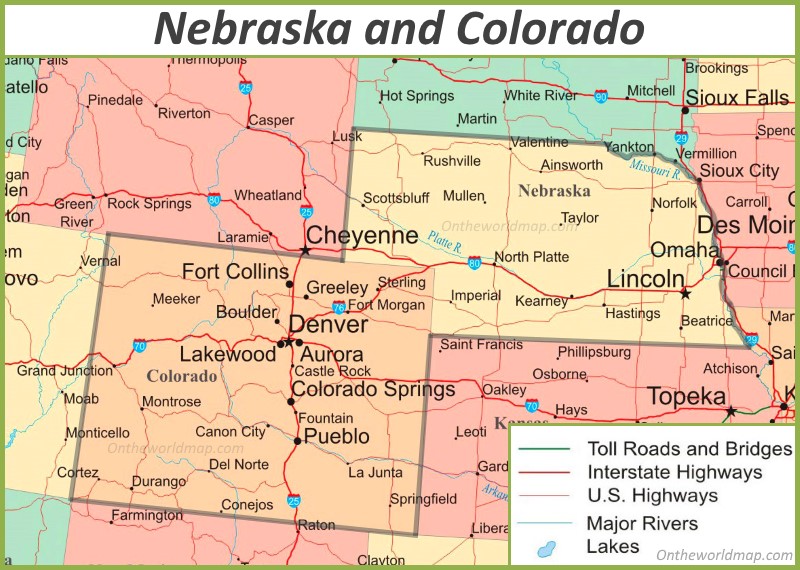
When travelers ask about the distance between Nebraska and Colorado, the answer is deceptively simple: the two states share a border. Because they are adjacent, the distance depends entirely on your points of origin and destination.
Border Proximity and State Lines
If your goal is simply to cross the state line, the journey is relatively brief. Travelers coming from the western reaches of Nebraska, near cities like Ogallala or Sidney, can reach the Colorado state line in under an hour. In this region, the transition is subtle, characterized by expansive grasslands and a gradual increase in elevation as one approaches the eastern base of the mountains.
Major Metropolitan Connections
Most visitors are traveling between major urban hubs. The drive from Omaha, located on the eastern edge of Nebraska, to Denver, the capital of Colorado, covers approximately 480 to 500 miles. Under normal traffic conditions, this drive typically takes about seven to eight hours via Interstate 80 and Interstate 76. This route is a popular thoroughfare for vacationers looking to trade the urban amenities of the Midwest for the outdoor adventure lifestyle of the West.
Essential Route Options for Your Road Trip
While the interstate highway system is the most efficient way to travel between these states, it is certainly not the only way. Depending on your schedule and interest in scenery, choosing the right route can transform a standard transit into a genuine travel experience.
The Interstate Corridor
The I-80 corridor is the “backbone” of the trip. It provides a direct, high-speed connection that bypasses smaller towns. This route is ideal for those who have a set destination in the mountains and want to maximize their time at a resort or national park. The driving is straightforward, though motorists should be prepared for high winds and, during the winter months, rapidly changing weather conditions that can impact visibility and road safety.
Scenic Alternatives
For travelers who prefer the “slow road,” taking U.S. Highway 30 or various state highways provides a closer look at the rural heartbeat of the plains. You will pass through small towns where agriculture and local heritage define daily life. While this adds significant time to your journey, the rewards include antique shops, local diners, and the unfiltered beauty of the American prairie, which remains largely unchanged by time.
Seasonal Considerations
Distance is measured in miles, but in this part of the country, it is often felt in minutes—or hours—due to weather. A trip that takes eight hours on a sunny summer day can double in duration during a winter storm. When driving through the high plains, the Continental Divide creates unique microclimates. Always check the Department of Transportation websites for both Nebraska and Colorado before embarking on your trip, especially between November and April.

Top Destinations Worth the Drive
Once you have bridged the distance between the plains and the peaks, you are met with an embarrassment of riches. Whether you are seeking high-intensity activity or a quiet retreat, the transition from Nebraska to Colorado offers a variety of experiences.
Exploring the Colorado Front Range
Upon crossing the border, the first major destination for many is the Front Range. Cities like Fort Collins, Boulder, and Colorado Springs offer a blend of urban sophistication and immediate access to nature. Garden of the Gods in Colorado Springs is a must-see landmark, famous for its towering red sandstone formations that stand in stark contrast to the distant, jagged peaks of Pikes Peak.
Mountain Escapes and Adventure
For those who want to venture deeper into the mountains, the distance from the Nebraska border continues into the heart of the Southern Rockies. Destinations like Estes Park, the gateway to Rocky Mountain National Park, offer endless opportunities for hiking, wildlife viewing, and photography. The alpine tundra, pristine lakes, and dense pine forests represent a complete sensory departure from the rolling cornfields of eastern Nebraska.
Urban and Cultural Highlights
Do not overlook the unique offerings in both states. Lincoln, the capital of Nebraska, offers deep historical roots and a vibrant university culture. Contrasting this with the art galleries, craft breweries, and professional sports venues in Denver creates a well-rounded itinerary that honors both the industrious spirit of the plains and the adventurous soul of the mountain west.
Expert Tips for a Seamless Crossing
To ensure your transition from Nebraska to Colorado is smooth, consider these logistics and planning strategies.
Optimize Your Fuel and Logistics
The stretch of highway between the two states, particularly along the more rural routes, can be sparse. It is good practice to keep your fuel tank at least half full. In the more remote areas of northeastern Colorado and western Nebraska, cell phone service can be spotty. Download offline maps and keep a physical atlas in your glove box as a backup.
Preparing for Altitude
One of the most overlooked aspects of the journey is the change in elevation. You are effectively traveling “uphill” for the duration of the trip. Nebraska’s elevation is relatively low, whereas Colorado’s populated areas are often thousands of feet above sea level. Drink plenty of water during your drive to help your body acclimate to the thinner air once you reach the foothills and mountain towns.

Embrace the Change of Pace
The journey between Nebraska and Colorado is not just a change of location; it is a change of pace. Allow yourself the grace to stop, stretch, and explore the small towns that dot the map between the two states. From the Platte River to the South Platte River, the water sources that have sustained life in this region for centuries are constant companions on your drive. Whether you are traveling for a family vacation, a professional retreat, or an outdoor adventure, the road between these two states offers a masterclass in the diverse beauty of the American landscape.
By understanding the distance, respecting the environment, and planning for the unique characteristics of each route, your trip will be far more than just a commute across state lines—it will be an integral part of the adventure itself.
LifeOutOfTheBox is a participant in the Amazon Services LLC Associates Program, an affiliate advertising program designed to provide a means for sites to earn advertising fees by advertising and linking to Amazon.com. Amazon, the Amazon logo, AmazonSupply, and the AmazonSupply logo are trademarks of Amazon.com, Inc. or its affiliates. As an Amazon Associate we earn affiliate commissions from qualifying purchases.