
For those considering a permanent move to the Silver State, understanding the financial landscape is just as important as choosing the right neighborhood. While many are drawn to Nevada for its vibrant lifestyle, entertainment, and absence of a state personal income tax, the structure of property taxation remains a critical factor for long-term residents and real estate investors alike. Navigating the nuances of local tax law is essential for anyone looking to transition from a visitor to a homeowner in cities like Las Vegas, Henderson, or Reno.
Understanding the Nevada Property Tax System
Nevada operates under a unique framework that distinguishes it from many other states in the United States. The state’s constitution places strict limitations on how much property taxes can rise annually, providing a level of predictability that is highly attractive to those settling into the region.
The Constitutional Cap
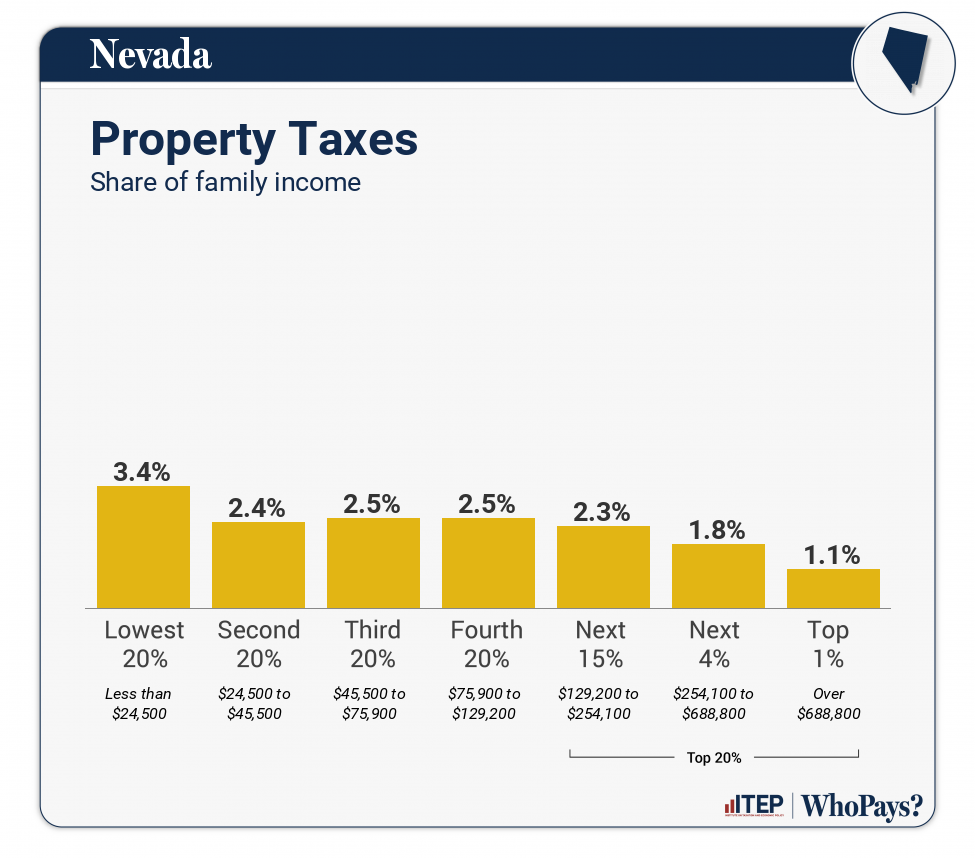
The cornerstone of Nevada’s property tax system is the property tax cap established by the legislature. This legislation limits the amount that property taxes can increase each year. For primary residences—meaning homes where the owner resides—the increase is generally capped at 3% per year. For non-primary residences, such as rental properties or second homes, the cap is slightly higher, at 8%. This mechanism is designed to protect homeowners from sudden, massive spikes in tax bills during periods of rapid real estate appreciation.
Assessment and Valuation
Property taxes in Nevada are based on the taxable value of the property, which is determined by the local county assessor’s office. This value includes both the land and any improvements made to the property. It is important to note that the taxable value is not necessarily the same as the “market value” you might see on real estate websites. The assessor uses a combination of land value and the “replacement cost new” of improvements, minus depreciation, to arrive at this figure. By law, property is assessed at 35% of its taxable value.
How Tax Rates Are Calculated
The final amount you pay is not determined by a flat state-wide tax rate. Instead, it is the result of a multi-layered calculation involving local government entities.
The Role of Tax Districts
In Nevada, your property tax rate is determined by the specific tax district in which your home is located. These districts consist of overlapping jurisdictions, including the county, city, school districts, and special service districts (such as fire protection or water districts). Each of these entities sets a rate based on their budgetary requirements, which are then aggregated to form your total tax rate.
Calculating Your Bill
To determine your annual tax burden, the formula is relatively straightforward:
- Determine the Taxable Value of your property.
- Apply the assessment ratio of 35% to get the Assessed Value.
- Multiply the Assessed Value by the total tax rate for your specific tax district.
Because tax districts vary significantly in their service requirements and infrastructure needs, two homes of identical market value located just a few miles apart—perhaps one inside city limits and one in an unincorporated area—can have different tax outcomes.

Regional Variations and Major Hubs
While the state-wide rules are consistent, the application often feels different depending on where you choose to plant roots. Investors and families often look toward major metropolitan areas to determine where their tax dollars go furthest in terms of community services and infrastructure.
The Las Vegas Valley
In the Las Vegas Valley, which encompasses Las Vegas, Henderson, and North Las Vegas, the tax rates are influenced by the high demand for public infrastructure and world-class school systems. Because these cities have undergone significant expansion, tax rates reflect the cost of maintaining expansive desert road networks and sophisticated utility systems. Residents here often find that the trade-off for these moderate property taxes is the lack of state income tax, which significantly boosts overall household disposable income.
Northern Nevada Growth
Reno and the surrounding Washoe County area have seen a surge in residential growth as technology companies and logistics hubs expand into the region. Property tax dynamics in Northern Nevada are slightly different than in the south, often influenced by the geographical constraints of the Sierra Nevada mountain range and the unique service needs of a smaller, more concentrated urban center. When choosing between living near the bustling Truckee River or in the expanding suburbs, prospective buyers are encouraged to use the specific tax calculators provided by the county assessor to get an exact figure for a potential property.
Planning for Your Real Estate Investment
When analyzing the financial feasibility of a home purchase in Nevada, it is vital to account for the total cost of ownership. Beyond the base property tax, there are often additional assessments that can impact your monthly payment.
Special Assessments and Improvement Districts
Some neighborhoods, particularly newer master-planned communities, may fall under a Special Improvement District (SID) or a Local Improvement District (LID). These are assessments added to property tax bills to pay for the installation of infrastructure such as sewers, curbs, sidewalks, and street lighting. While these fees are usually paid off over a set number of years, they can represent a significant addition to your annual tax obligations. Always verify if a property is subject to an SID before finalizing a purchase contract.
Tax Exemptions
Nevada offers various tax exemptions that can reduce the overall tax burden for eligible residents. These include exemptions for veterans, surviving spouses, and those with certain disabilities. Additionally, there are specific exemptions for religious, charitable, or educational organizations. If you believe you qualify for an exemption, it is imperative to file the necessary paperwork with your local county assessor’s office promptly, as these do not always apply automatically.
The “Bottom Line” Strategy
For those moving from states with high property taxes, Nevada is often viewed as a tax-friendly destination. By combining a relatively low overall property tax rate with the total absence of state income tax, residents can often secure a higher quality of life for the same total expenditure compared to states like California or New York.
To ensure your financial planning is accurate, never rely solely on the “tax amount” listed on a current real estate listing. Because of the 3% cap for primary residences, the taxes paid by the current owner might be significantly lower than what you will pay in your first year of ownership. Once a property is sold, it is “reassessed” to current market values, meaning your starting tax bill will likely be based on the purchase price rather than the previous owner’s protected rate.

Conclusion
Purchasing property in Nevada requires a balanced view of both the immediate costs and the long-term protections offered by state law. By understanding the assessment process, the impact of local tax districts, and the reality of the 3% annual increase cap, homeowners can make informed decisions. Whether you are looking for a luxury estate near the Red Rock Canyon or a modern apartment in a central urban hub, the Silver State offers a predictable and attractive tax environment that continues to make it a premier choice for residents nationwide. Consult with a local tax professional or visit your county assessor’s website to perform a precise calculation for your specific property of interest.
LifeOutOfTheBox is a participant in the Amazon Services LLC Associates Program, an affiliate advertising program designed to provide a means for sites to earn advertising fees by advertising and linking to Amazon.com. Amazon, the Amazon logo, AmazonSupply, and the AmazonSupply logo are trademarks of Amazon.com, Inc. or its affiliates. As an Amazon Associate we earn affiliate commissions from qualifying purchases.