
When planning a trip to New York City, understanding the rhythmic shifts of its climate is essential for a seamless travel experience. As one of the world’s most dynamic urban landscapes, this metropolis experiences a humid subtropical climate that is defined by four distinct seasons. Whether you are strolling through Central Park or navigating the bustling avenues of Manhattan, the weather dictates the pulse of the city. Being prepared for these meteorological transitions allows travelers to make the most of their visit, from outdoor rooftop dining to cozy afternoons in historic museums.
The Seasonal Rhythm: A Guide to Annual Weather Patterns
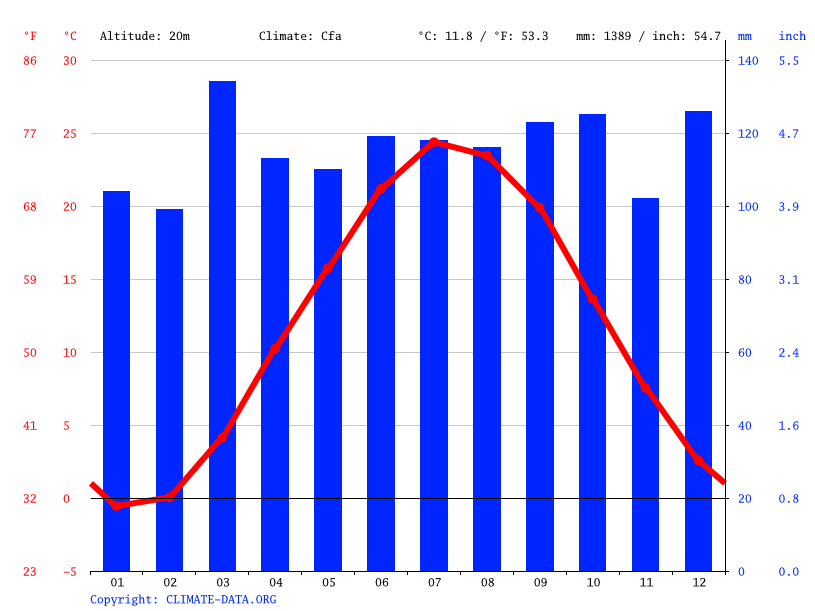
The climate in New York is characterized by significant temperature fluctuations between winter and summer. Because the city is situated along the coast of the Atlantic Ocean, it experiences both oceanic influences and continental air masses, leading to a climate that is rarely stagnant.
The Vibrance of Spring and Autumn
Spring in New York City is a period of rejuvenation. Beginning in late March, temperatures slowly climb, thawing the remnants of winter. April and May are widely considered the most pleasant months for tourism; the humidity is low, and the streets are lined with blooming cherry blossoms. It is the ideal time to walk the High Line or explore the architecture of Brooklyn.
Autumn, specifically September and October, mirrors this comfort. The stifling heat of summer dissipates, replaced by crisp, cool air and clear blue skies. This “shoulder season” is highly sought after by travelers who want to enjoy the outdoor terraces of restaurants in Greenwich Village without the intensity of the mid-summer sun.
Summer Heat and Winter Chills
Summers in the city can be intense. From late June through August, humidity levels spike, and urban heat island effects can make the temperature feel several degrees higher than recorded figures. While this heat is perfect for enjoying the beaches of Rockaway Beach, it requires savvy planning for those staying in dense neighborhoods.
Winters, conversely, bring a dramatic transformation. December through February are characterized by freezing temperatures, biting winds off the Hudson River, and occasional snowfall. While the cold can be challenging, it transforms the city into a festive wonderland, drawing tourists to the iconic Rockefeller Center for skating and seasonal lights.
How Weather Shapes the Visitor Experience
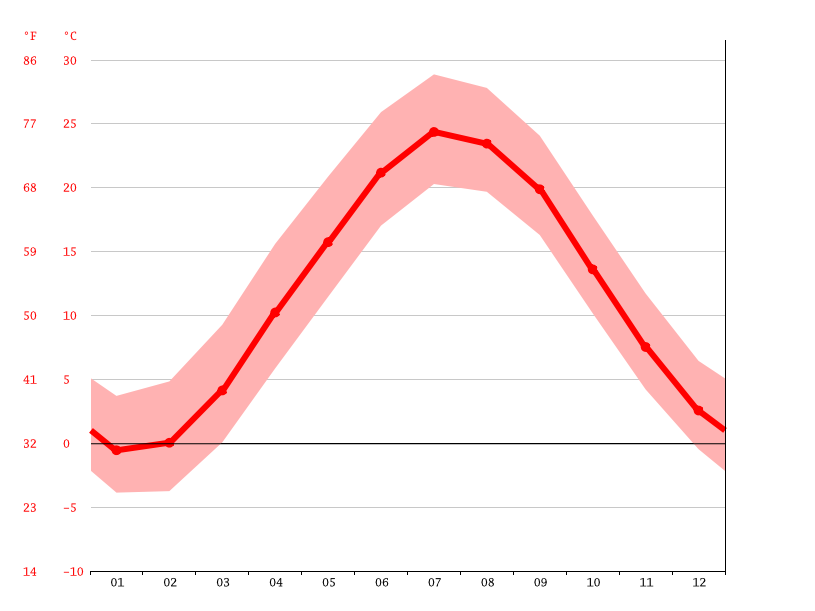
The climate dictates much of the tourism rhythm in New York City. Savvy travelers track these patterns to align their itinerary with the most favorable outdoor conditions or, conversely, to utilize the city’s world-class indoor infrastructure when the weather turns inclement.
Navigating the Summer Peaks
During the height of summer, the local strategy shifts toward water-centric activities and air-conditioned exploration. Many visitors spend their days inside the vast, climate-controlled galleries of the Metropolitan Museum of Art or the American Museum of Natural History. In the evenings, as the temperature drops slightly, the city’s rooftop bars—many of which offer sweeping views of the Empire State Building—become the primary destination for tourists and locals alike.
Embracing the Winter Interior
Winter weather turns the focus inward. When the thermometer drops, the city’s legendary theater scene on Broadway becomes the center of gravity. Furthermore, the extensive network of indoor shopping centers, such as those found in Columbus Circle, allows visitors to experience the vibrant energy of the city without ever needing to brave the outdoor elements. Packing heavy wool coats, insulated boots, and thermal layers is non-negotiable for anyone visiting between December and March.
Climate Trends and Practical Travel Tips
While the seasonal cycles are relatively predictable, climate variability remains a factor in modern travel. Being prepared for the unexpected is part of the charm of visiting a major coastal city.
Managing Precipitation
New York City receives fairly consistent rainfall throughout the year, with no single season acting as a definitive “wet” or “dry” period. Heavy downpours can happen in any month, often appearing as quick, intense thunderstorms in the summer or sustained overcast days in the spring. A high-quality, wind-resistant umbrella is a standard accessory for any traveler. If you find yourself caught in a sudden storm, the city’s expansive subway system, which serves as a massive underground network connecting Queens, the Bronx, and beyond, is the most efficient way to travel while staying dry.

Optimal Planning for Your Itinerary
For those who prefer mild weather, the sweet spot for visiting is the window between mid-May and mid-June, or the period from mid-September to mid-October. During these times, the city’s parks, such as Bryant Park, are at their most inviting. Outdoor markets, such as the Union Square Greenmarket, are also fully operational, showcasing the best of local culture and seasonal produce.
If you are a budget-conscious traveler, consider visiting during the late winter months of January and February. While the weather is at its coldest, hotel rates often reach their annual lows, and popular landmarks like Statue of Liberty have significantly shorter lines. Provided you have the right gear to combat the cold, this time of year offers a more intimate look at the city’s daily life, free from the crushing crowds of the peak summer or holiday seasons.
Regardless of the time of year, checking local weather forecasts 48 hours prior to arrival is a prudent step. The microclimates created by the city’s massive skyscrapers can cause localized wind tunnels and temperature variations that differ from the surrounding New Jersey or Long Island suburbs. Understanding this climate landscape ensures that your focus remains on the unparalleled experiences that only New York City can provide, from the neon lights of Times Square to the quiet historical charm of Brooklyn Heights. By respecting the changing seasons and planning accordingly, you can ensure a comfortable, enriching, and unforgettable journey through the heart of the world’s most iconic urban center.
LifeOutOfTheBox is a participant in the Amazon Services LLC Associates Program, an affiliate advertising program designed to provide a means for sites to earn advertising fees by advertising and linking to Amazon.com. Amazon, the Amazon logo, AmazonSupply, and the AmazonSupply logo are trademarks of Amazon.com, Inc. or its affiliates. As an Amazon Associate we earn affiliate commissions from qualifying purchases.