
When exploring the rugged, natural beauty of New Hampshire, one quickly discovers that the landscape is defined by its resilience and quiet elegance. From the towering peaks of the White Mountains to the serene coastlines of Portsmouth, the state reflects a deep connection to its wilderness. Central to this identity is the official state flower: the Purple Lilac (Syringa vulgaris). While it may not be a native species to North America, its historical significance and cultural integration into the fabric of the Granite State make it an essential symbol for anyone visiting or learning about the region.
The History and Symbolism of the Purple Lilac
The selection of the Purple Lilac as the state flower of New Hampshire was not a decision made overnight. It represents a long-standing tradition of valuing the aesthetic and sensory contributions of flora to the local environment.
A Legislative Journey
In 1919, the New Hampshire General Court officially designated the Purple Lilac as the state flower. The process was driven by a desire to recognize a plant that was already deeply embedded in the gardens of the state’s historic homesteads. Legislators argued that the lilac was symbolic of the “hardy character of the men and women of the Granite State.” Much like the early settlers who cleared the rocky soil to build communities, the lilac thrives under challenging conditions, returning with vibrant blooms year after year despite the harsh winters common in New England.
Cultural Significance
Beyond the legislative record, the lilac serves as a herald of spring. In towns across the state, such as Concord or Manchester, the emergence of lilac blossoms signifies the transition from the frozen, dormant months to the lush, verdant season that draws thousands of tourists to the region. The fragrance of the lilac is often described as the scent of New Hampshire itself during the month of May, providing a sensory anchor for both locals and travelers exploring the Northeast.
Botanical Characteristics and Garden Heritage
To appreciate why the Purple Lilac holds such prestige in New Hampshire, one must look at its role in the state’s botanical landscape.
Identifying the Purple Lilac
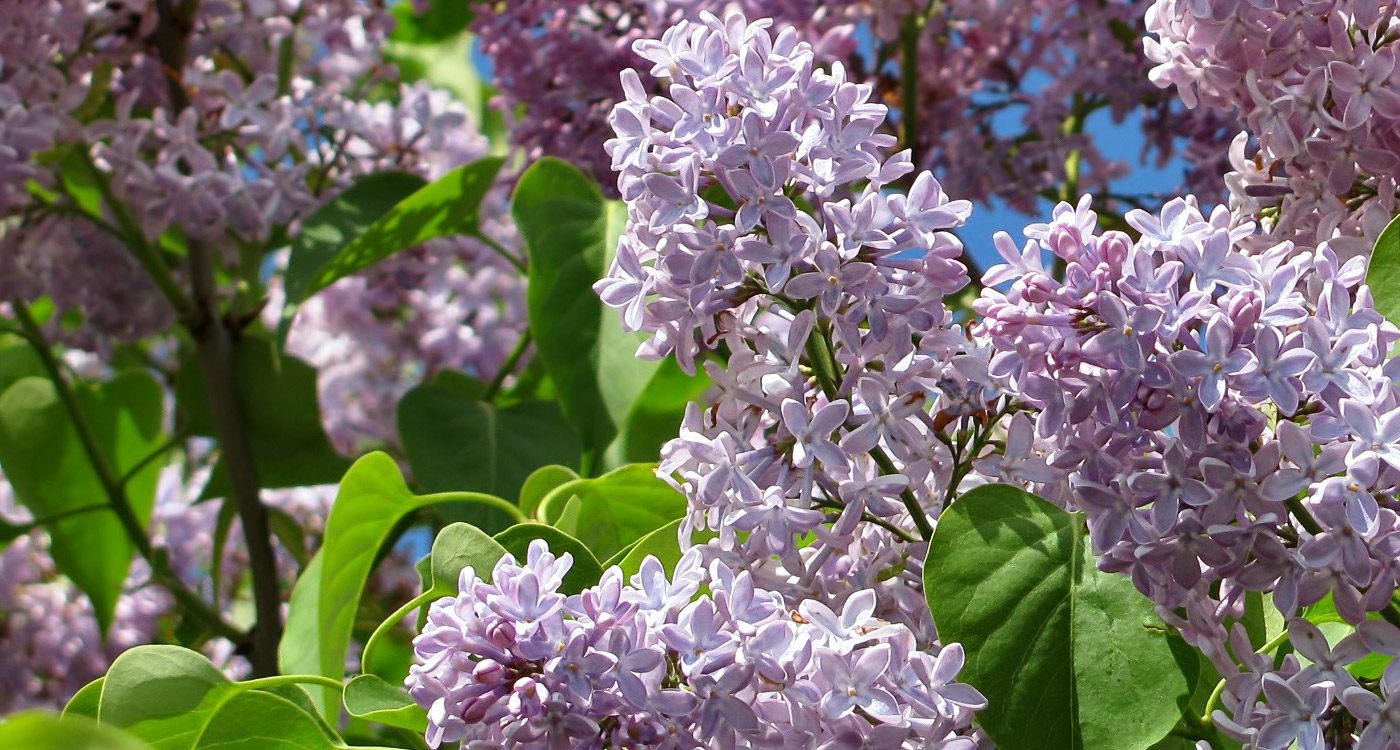
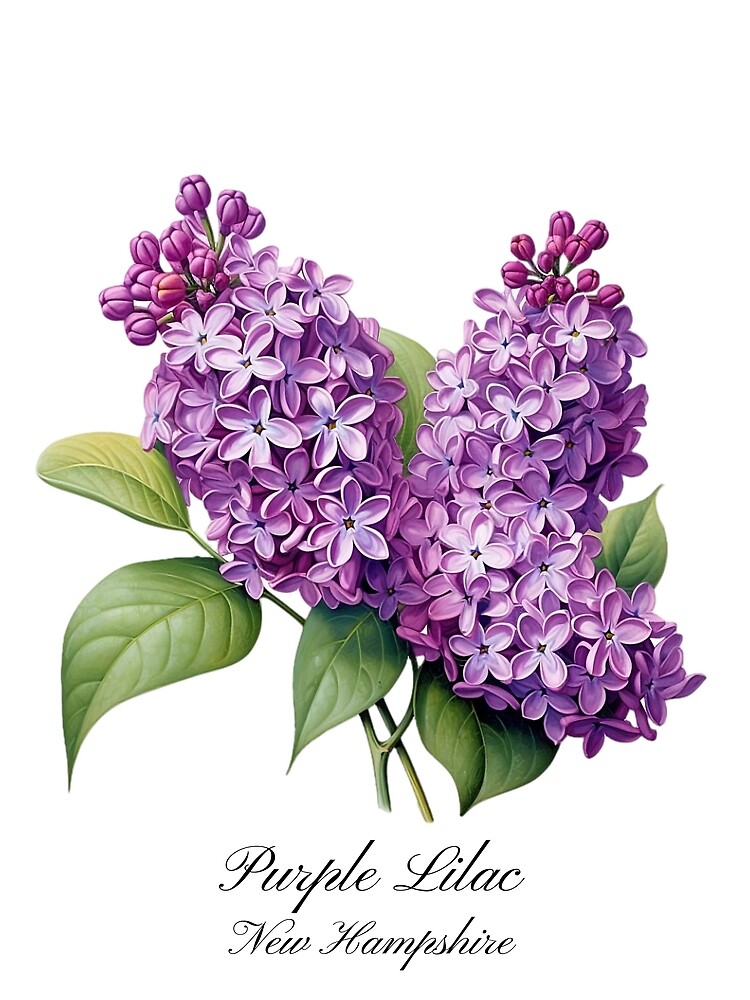
The Syringa vulgaris is a deciduous shrub characterized by its heart-shaped leaves and dense, fragrant clusters of small, four-petaled flowers. While there are many cultivars of lilacs available today, the classic purple variety remains the standard for state identity. When visiting historic estates or public parks in New England, travelers will often see these shrubs acting as living monuments. They are frequently found near the foundations of 18th and 19th-century farmhouses, remnants of the very gardens planted by early inhabitants.
The Lilac as a Landscaper’s Choice
For those interested in gardening or the aesthetic of the United States, the lilac is a premier example of functional beauty. It is highly adaptable, cold-hardy, and offers a spectacular floral display that lasts for several weeks. In the context of New Hampshire, the shrub’s ability to withstand the region’s specific climatic pressures is exactly what solidified its status. It does not demand constant coddling, mirroring the self-reliant spirit that the state’s culture prides itself on.

Exploring Floral Landmarks and Seasonal Blooms
For visitors traveling to the Granite State specifically to experience its natural beauty, timing and location are everything. While the lilac is the official floral emblem, the state is home to a vast array of flora that defines the travel experience.
Peak Season for Lilac Enthusiasts
The optimal time to witness the state flower in its full glory is typically late May to early June. During this window, the Lakes Region and the lower elevation valleys experience a burst of purple and white hues. Visitors staying in local inns or Bed and Breakfasts are often treated to the sight of these shrubs lining the country roads, providing an authentic, postcard-worthy view of Rural New England.
Beyond the Lilac: New Hampshire’s Botanical Trails
While the Purple Lilac captures the heart of New Hampshire, the state’s natural landmarks offer much more for the botanical traveler. Exploring the White Mountain National Forest provides insight into native alpine flora, which stands in stark contrast to the ornamental beauty of the lilac. Visitors might also explore:
- Fuller Gardens in North Hampton: This coastal botanical site showcases a variety of blooms that thrive in the unique maritime climate of the Atlantic Coast.
- The Fells Historic Estate and Gardens in Newbury: A testament to the Gilded Age, this location allows visitors to see how grand landscapes were designed to incorporate both native and introduced species, including classic flowering shrubs.
- Mount Washington: For those interested in extreme botany, the alpine tundra zone features plants that have adapted to some of the harshest conditions in the Eastern United States.
Preserving the Legacy of the State Flower
As tourism continues to grow in New Hampshire, the conservation of the environment becomes increasingly important. The Purple Lilac, while introduced, has become an indelible part of the state’s heritage, and its preservation reflects the broader commitment of the state to maintain its character.
Sustainability and Cultural Tourism
Travelers who engage in “flower tourism” play a role in supporting the maintenance of historical sites. By visiting botanical gardens and participating in regional festivals that celebrate spring, tourists help provide the necessary funding for these sites to continue their work. When visiting historic town centers like Exeter or Hanover, it is common to see local historical societies working to ensure that traditional lilac hedges are pruned, fertilized, and protected.
Why the Lilac Matters to the Traveler
The significance of the state flower transcends simple botany. It is a symbol of the American tradition of finding beauty in the midst of a demanding environment. For the modern traveler, understanding why the Purple Lilac is the emblem of New Hampshire provides a deeper, more intellectual layer to their journey. It reminds the visitor that every landscape is a story—the story of those who arrived here, the story of the climate they faced, and the story of the beauty they chose to cultivate in the wake of their journey.
Whether you are driving through the winding roads of the Kancamagus Highway during the spring or visiting a local historic home in Nashua, keep an eye out for the unmistakable scent and color of the Purple Lilac. It is more than just a flower; it is the living banner of a state that celebrates resilience, heritage, and the enduring beauty of New England.
LifeOutOfTheBox is a participant in the Amazon Services LLC Associates Program, an affiliate advertising program designed to provide a means for sites to earn advertising fees by advertising and linking to Amazon.com. Amazon, the Amazon logo, AmazonSupply, and the AmazonSupply logo are trademarks of Amazon.com, Inc. or its affiliates. As an Amazon Associate we earn affiliate commissions from qualifying purchases.