
When planning a business trip, a family vacation, or a long-term residency in the heart of the United States, understanding the financial landscape is as important as mapping out your itinerary. For those visiting or doing business in Nebraska, the concept of sales tax can often cause confusion, especially when navigating the nuances of local versus state-level levies. Whether you are booking a stay at a luxury hotel in Omaha or exploring the historic landmarks of Lincoln, knowing how your wallet will be impacted by tax laws ensures a smoother, stress-free experience.
Understanding the Structure of Nebraska Sales Tax
To manage your budget effectively while traveling through the Cornhusker State, it is essential to distinguish between the state sales tax and the local-option sales tax. In Nebraska, the state imposes a base sales tax rate that applies to the retail sale of most tangible personal property and specific services. However, this is rarely the final number you see on your receipt.
The State Base Rate
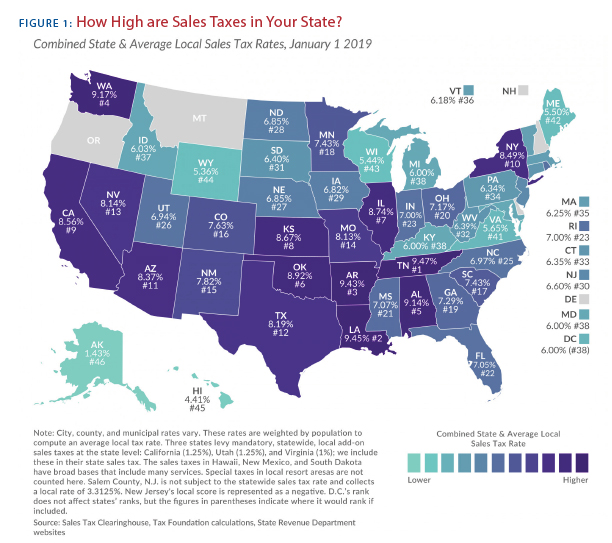
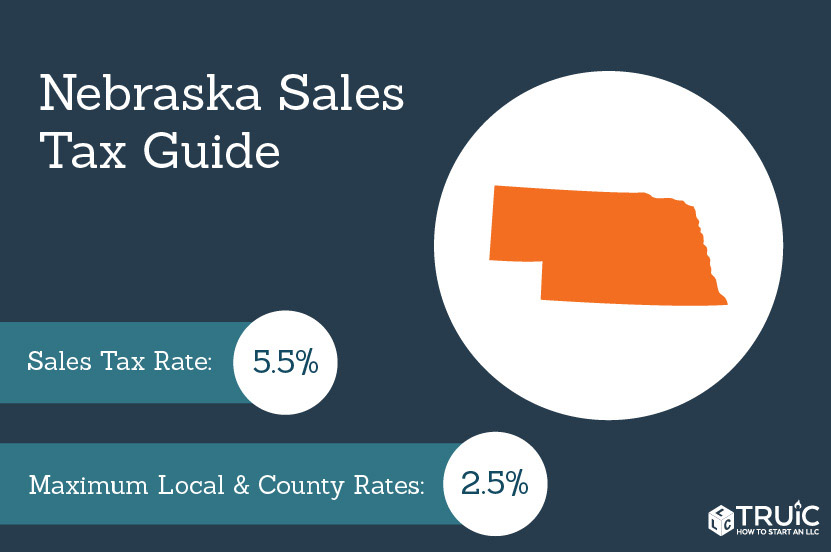
The foundational sales tax rate in Nebraska currently sits at 5.5%. This is the amount that goes directly into the state coffers to fund infrastructure, education, and public safety initiatives across the region. When you purchase goods at a national chain store or buy souvenirs at a tourist shop, this base rate is the starting point for your total tax calculation.
Local-Option Taxes and Municipalities
Beyond the state base, cities and counties in Nebraska have the authority to impose their own local sales tax. These rates typically range from 0.5% to 2.5%, depending on the municipality. For travelers staying in major urban centers like Bellevue or Grand Island, you will find that your total tax burden is a combination of the state rate plus the specific local rate enacted by that city council. This means that a dinner out in Kearney may result in a different total bill than an identical meal in Fremont, purely due to these localized fiscal policies.
How Sales Tax Affects Your Travel Expenses
For the average visitor, sales tax is most noticeable in the hospitality and entertainment sectors. Understanding how these taxes apply to your travel budget—whether you are visiting for the College World Series or exploring the vast landscapes of the Platte River—will prevent any unwelcome surprises upon check-out.
Lodging and Accommodations
If you are booking a suite at the Hilton Omaha or a boutique apartment in the historic districts, remember that sales tax is almost always applied to your nightly rate. Furthermore, many cities in Nebraska impose an additional “lodging tax” or “occupancy tax” on top of the standard sales tax. These funds are frequently earmarked for the promotion of tourism and the upkeep of convention centers or local parks. When you compare room rates, always ensure you are looking at the “tax-inclusive” price to get an accurate reflection of your trip’s cost.
Dining and Entertainment
Whether you are grabbing a quick lunch near the Henry Doorly Zoo and Aquarium or enjoying a formal dinner in downtown Lincoln, your restaurant bill will be subject to the combined state and local sales tax. It is also worth noting that many event venues, such as those hosting concerts or theatrical performances, treat ticket sales as taxable transactions. If you are purchasing tickets to a show at the Orpheum Theater, the price displayed online may be the pre-tax figure, with the final amount calculated at the point of purchase.
Navigating Exemptions and Special Circumstances
Not everything you purchase in the state is subject to the same tax rules. There are specific exemptions that apply to both residents and travelers, which can be useful to keep in mind if you are spending an extended period in the region.
Common Exemptions
- Groceries: Unlike many other states, Nebraska does not impose a state sales tax on most unprepared food items. If you are shopping at a grocery store to stock your kitchen during a long-term stay, you will likely find that basic foodstuffs are tax-exempt. However, prepared foods—such as those found at a deli counter or a restaurant—remain fully taxable.
- Medical Supplies: Certain medical equipment and prescription drugs are exempt from sales tax, which is a critical consideration for those traveling with chronic health conditions.
- Services: While many retail goods are taxed, many professional services remain exempt. However, the line between “goods” and “services” can sometimes blur, especially regarding digital products or specific labor-intensive tasks.
Tips for Smart Budgeting
- Check Local Rates: Before finalizing your budget for a trip to cities like Hastings or North Platte, look up the specific sales tax rate for that zip code. Many travel-planning websites allow you to view tax-inclusive breakdowns.
- Review Itemized Receipts: Especially during business travel, always request an itemized receipt. This allows you to verify that the correct tax rate was applied and helps you categorize expenses for tax reporting or reimbursement purposes.
- Use Tax Calculators: There are several online resources provided by the Nebraska Department of Revenue that provide up-to-date information on local-option taxes. Utilizing these tools before you depart can help you set realistic expectations for your travel expenditure.
The Role of Tourism Taxes in Community Development
When you pay a slightly higher tax rate at a hotel in Scottsbluff or a restaurant in Norfolk, it is important to recognize that this revenue plays a vital role in maintaining the destination you are visiting. Nebraska relies on these funds to improve public spaces, support regional festivals, and maintain the beautiful state parks that define the local geography.
Improving Infrastructure for Visitors
Much of the revenue generated from visitor-centric taxes is reinvested into the very attractions that draw people to the state. Whether it is the renovation of walking paths at Eugene T Mahoney State Park or the modernization of transit hubs in Omaha, these projects are often subsidized by the local sales and occupancy taxes collected from tourists.
Sustaining Local Culture
By participating in the local economy, you are contributing to the preservation of Nebraska culture. From the historic markers scattered across the state to the vibrant culinary scenes in local towns, the tax dollars you pay enable these communities to continue providing high-quality experiences for future visitors.
Summary of Tax Considerations for Your Stay
Navigating the sales tax in Nebraska is a straightforward process once you understand that the final price at the register is a layered calculation. By accounting for the 5.5% base state tax and acknowledging the variation in local-option taxes, you can build a more accurate travel budget. Whether you are traveling for business, pleasure, or a mix of both, keeping these financial details in mind will allow you to focus more on the beauty and hospitality of the state and less on the math behind your receipts. As you traverse the diverse landscapes, from the rolling hills to the bustling city centers, you can rest assured that your contributions are helping to maintain the quality and character of this unique destination.
LifeOutOfTheBox is a participant in the Amazon Services LLC Associates Program, an affiliate advertising program designed to provide a means for sites to earn advertising fees by advertising and linking to Amazon.com. Amazon, the Amazon logo, AmazonSupply, and the AmazonSupply logo are trademarks of Amazon.com, Inc. or its affiliates. As an Amazon Associate we earn affiliate commissions from qualifying purchases.