
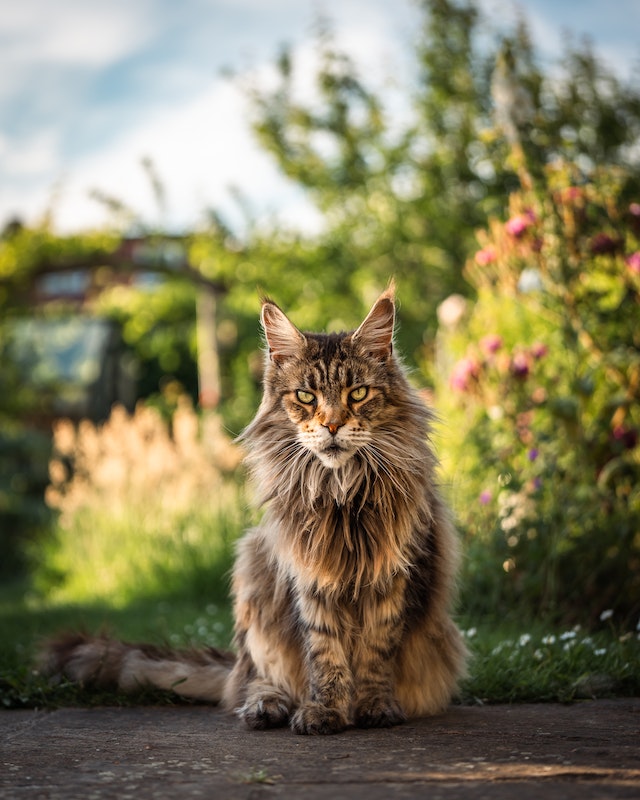
The Maine Coon, often referred to as the “gentle giant” of the feline world, is a breed that captivates pet enthusiasts across North America and beyond. Known for their impressive size, tufted ears, and exceptionally sociable temperaments, these cats are as much a status symbol as they are beloved companions. For those considering adding this magnificent breed to their family, understanding the financial commitment is a vital step in the decision-making process. The value of a Maine Coon is determined by a complex interplay of pedigree, health testing, and breeder reputation, reflecting its status as a sought-after luxury pet in the modern lifestyle.
The Financial Baseline: Purchase Price Expectations
When evaluating the cost of a Maine Coon, potential owners must first distinguish between a pet-quality cat and a breeding-quality or show-quality cat. The initial acquisition price is rarely a static figure; it shifts based on the specific lineage and the standards of the cattery.
Pet-Quality Maine Coons
For most families looking for a companion animal, the price for a Maine Coon typically ranges from $1,000 to $2,500. This tier represents cats that are healthy, well-socialized, and possess the breed’s signature look, but perhaps have minor physical traits that fall outside the strict standards for professional cat shows. When you purchase from a reputable breeder, this fee often includes the initial round of vaccinations, spaying or neutering, and a health guarantee.
Show and Breeding-Quality Cats
At the higher end of the spectrum, Maine Coons designated for breeding or high-level competition can command prices anywhere from $3,000 to $5,000 or more. These cats are the result of generations of selective breeding, meticulously curated for size, coat texture, and specific physical traits. For an enthusiast looking to participate in events sanctioned by the Cat Fanciers Association, the investment is significant, as these animals carry superior genetic pedigrees that represent the pinnacle of the breed’s standards.
The True Cost of Ownership: Beyond the Initial Fee
A Maine Coon is not merely an investment at the point of sale; it is a long-term commitment that requires a sustained lifestyle budget. Because these cats grow to be exceptionally large—sometimes weighing up to 20 pounds or more—their maintenance costs are naturally higher than those of average-sized domestic cats.
Nutritional Requirements
Maine Coons have substantial caloric needs to support their bone structure and muscular frames. Providing high-quality, protein-rich nutrition is essential to prevent obesity and ensure longevity. Owners should anticipate spending significantly more on premium wet and dry foods compared to standard feline diets. Brands often recommended by veterinarians for large breeds can add up to several hundred dollars annually.
Veterinary Care and Health Management
The breed is known for being generally hardy, but they are genetically predisposed to certain health conditions, including Hypertrophic Cardiomyopathy (HCM) and hip dysplasia. A responsible breeder will provide genetic screening reports, which justifies a higher initial price but protects the owner from future heartbreak. Beyond standard wellness exams, budgeting for pet insurance is highly recommended for Maine Coon owners. Depending on the coverage, monthly premiums can range from $40 to $100, providing a safety net for potential emergency procedures or long-term care in cities like New York or Los Angeles, where veterinary services are priced at a premium.

Why Reputation Defines Value
In the market for a purebred animal, the “cheaper” option is almost always a red flag. The value of a Maine Coon is inextricably linked to the ethics of the breeder.
Ethical Breeding Practices
Reputable breeders in places like Maine, the breed’s namesake state, invest heavily in the health of their lineage. This includes:
- Genetic Testing: Screening parents for hereditary diseases.
- Environment: Raising kittens in a home setting rather than a crowded kennel, which ensures better socialization and temperament.
- Veterinary Oversight: Ensuring all kittens are seen by a professional veterinarian, not just an in-house assistant.
When a kitten is sold at an unusually low price, it often indicates “backyard breeding,” where the health, hygiene, and genetic integrity of the animal have been compromised. Saving money on the initial purchase price frequently results in massive veterinary bills later in the cat’s life, making the “bargain” Maine Coon the most expensive choice in the long run.
The Role of Pedigree Documentation
A certified pedigree, often issued by organizations like The International Cat Association, serves as a “title” to your cat. This documentation verifies that the animal is indeed a purebred Maine Coon. While some owners may feel that papers are unnecessary for a pet-quality cat, they are essential for verifying the cat’s background and ensuring that you are not purchasing a mixed-breed animal misrepresented as a Maine Coon.
Geographic and Market Fluctuations
The cost of acquiring a Maine Coon can also be influenced by your location. If you reside in a major metropolitan area or a region with high demand, prices may be inflated.
Localized Pricing Trends
In hubs like London or Tokyo, the overhead costs for breeders—such as facility maintenance, heating, and specialized veterinary care—are higher. These costs are inevitably passed on to the buyer. Additionally, if there are very few ethical catteries in your specific state or country, you may face the added expense of transport. Professional cat transport services or flights can add anywhere from $300 to $800 to the final cost of bringing your new companion home.
The Prestige Factor
Some catteries with world-renowned bloodlines carry a “brand” status. Just as one might pay more for a stay at a luxury resort like the Burj Al Arab due to its reputation and exclusivity, buyers often pay a premium for Maine Coons from award-winning lineage. For those who prioritize the aesthetic and temperamental perfection that comes from a legendary cattery, the extra cost is viewed as an investment in a superior animal that embodies the best traits of the breed.

Conclusion: Balancing Cost with Lifelong Value
Deciding how much to spend on a Maine Coon is a deeply personal calculation that requires balancing your budget with your desire for a healthy, well-bred pet. While the initial investment might seem steep, the value of the Maine Coon lies in its unique personality, majestic appearance, and the companionship it provides over its 12 to 15-year lifespan. By choosing a reputable breeder and preparing for the ongoing costs of high-quality food, medical care, and professional grooming, you ensure that your investment results in a long, happy life for your cat. Ultimately, the “worth” of a Maine Coon is found in the joy and loyalty that this exceptional animal brings to your home, a return on investment that far outweighs the financial figures on the purchase contract. Whether you are in Europe or Asia, seeking out the best of the breed is a decision that pays dividends in love and companionship for years to come.
LifeOutOfTheBox is a participant in the Amazon Services LLC Associates Program, an affiliate advertising program designed to provide a means for sites to earn advertising fees by advertising and linking to Amazon.com. Amazon, the Amazon logo, AmazonSupply, and the AmazonSupply logo are trademarks of Amazon.com, Inc. or its affiliates. As an Amazon Associate we earn affiliate commissions from qualifying purchases.