
Securing a rental property in Nevada requires a clear understanding of the financial obligations involved. Whether you are moving to a bustling urban center like Las Vegas, a growing community in Henderson, or the scenic outskirts of Reno, the question of security deposits is universal. For those looking at long-term accommodation, navigating these requirements is a critical step in the leasing process.
In Nevada, the short answer is yes: most landlords and property management companies do charge a security deposit. This upfront payment serves as a financial safeguard for the property owner, ensuring that they are covered in the event of unpaid rent, cleaning costs, or physical damage to the unit beyond normal wear and tear.

Understanding Nevada Landlord-Tenant Law Regarding Deposits
To effectively manage your transition into a new home, it is essential to understand the statutes governing security deposits. Under Nevada law, the security deposit process is strictly regulated to protect both the landlord and the tenant.
Statutory Limits on Security Deposits
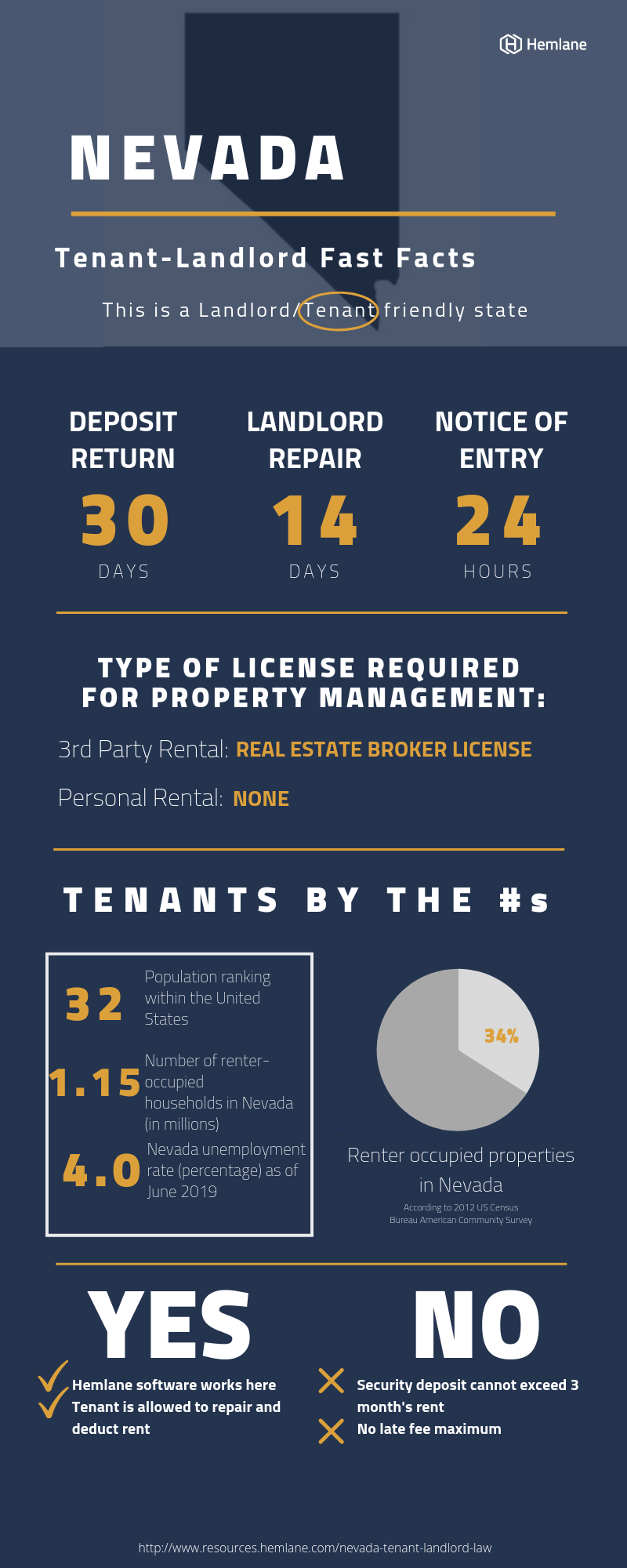
While many states allow for higher charges, Nevada law is quite specific regarding how much a landlord can request. According to the Nevada Revised Statutes, a landlord cannot demand a security deposit that exceeds the equivalent of three months’ rent. While many standard apartment complexes in Las Vegas or Carson City typically ask for an amount ranging from a few hundred dollars to one full month of rent, it is helpful to know the legal ceiling.
The Purpose of the Deposit
It is a common misconception that a security deposit can be used as the final month’s rent. Unless explicitly stated in your lease agreement, the deposit is strictly reserved for:
- Covering unpaid rent.
- Repairing damage caused by the tenant or their guests.
- Cleaning the unit to return it to the condition it was in at the start of the lease.
Landlords cannot legally withhold your deposit for “normal wear and tear,” which includes minor scuffs on walls, carpet thinning in high-traffic areas, or the natural degradation of appliances over time.
Navigating Deposits in Various Rental Markets
The real estate landscape across the Silver State is diverse. Depending on where you choose to reside, the deposit requirements may fluctuate based on market demand and property type.
Renting in Major Urban Hubs
In high-demand areas like Las Vegas, you will find that luxury high-rises and managed communities often have standardized deposit policies. These are frequently tiered based on your credit score and rental history. If you are eyeing a unit near the Las Vegas Strip, be prepared for professional management companies to conduct a thorough background check.
Deposits in Northern Nevada
Similarly, in Reno and nearby Sparks, the influx of new residents has created a competitive rental market. Here, landlords may prioritize applicants who can provide a deposit upfront alongside a solid rental history. Because the region is seeing significant development, rental standards are often aligned with national practices, making the expectation of a security deposit the industry norm.

Private Landlords vs. Management Companies
When renting from a private owner in towns like Elko or Boulder City, you might find more flexibility in negotiating the deposit amount. Unlike large corporations that follow rigid internal policies, private landlords may be willing to accept a smaller deposit if you can provide strong references or proof of stable employment.
Protecting Your Financial Interests: Pre-Move-In Procedures
One of the most effective ways to ensure you get your security deposit back is to document the state of the apartment before you officially move in.
Conducting a Move-In Inspection
Never skip the initial walkthrough. Upon signing your lease in Nevada, take photos and videos of every room. Pay close attention to:
- Baseboards and walls for existing scratches.
- The interior of appliances (oven, refrigerator, dishwasher).
- The condition of flooring and carpets.
- Any existing issues with faucets, drains, or light fixtures.
Email these photos to your landlord or property management office immediately after the inspection. This creates a digital paper trail that proves the condition of the apartment when you first took possession.
The Move-Out Return Process
Under Nevada law, a landlord must return your security deposit (or provide a written itemized list of deductions) within 30 days of the termination of the lease and the surrender of the premises. If your landlord fails to do this, they may be liable for the full amount of the deposit plus additional damages. Keeping a copy of your move-out inspection and any correspondence regarding the return of the unit is vital if you need to dispute any withholdings.
Common Myths and FAQs About Rental Deposits
Can I Negotiate the Security Deposit?
While rent prices at large complexes are often non-negotiable due to software-driven pricing, the security deposit can sometimes be adjusted if you have a stellar credit history. In some cases, if you have a high credit score, a landlord might reduce the required deposit to “half a month’s rent” rather than a full month.
What Happens to the Deposit If the Property Is Sold?
If you are living in an apartment complex in Nevada and the building is sold to a new management company, your security deposit remains protected. The previous owner is legally obligated to transfer your deposit to the new owner, who then inherits the liability to return it to you at the end of your tenancy.
Are Pet Deposits the Same as Security Deposits?
In many cases, landlords distinguish between a security deposit and a pet deposit. A pet deposit is often non-refundable or specifically earmarked for pet-related damages (such as deep carpet cleaning or odor removal). Always read your lease agreement carefully to determine if your pet-related fees are refundable security deposits or non-refundable cleaning fees.
Is My Deposit Held in an Escrow Account?
Unlike some states that require security deposits to be held in interest-bearing escrow accounts, Nevada law does not mandate that landlords pay interest on your deposit. They are simply required to keep the funds safely and return them according to the statutory timeline once your lease concludes.
Final Thoughts on Rental Security
Securing an apartment in Nevada involves more than just paying the first month’s rent. By understanding that security deposits are standard, knowing your rights regarding the return of those funds, and documenting your living space thoroughly, you can protect your finances throughout your stay. Whether you are settling into a residence near Lake Tahoe or the suburban streets of Henderson, being an informed tenant is the best way to ensure a smooth and stress-free rental experience. Always review the specific terms outlined in your lease, as these documents remain the primary guide for the landlord-tenant relationship throughout your residency.
LifeOutOfTheBox is a participant in the Amazon Services LLC Associates Program, an affiliate advertising program designed to provide a means for sites to earn advertising fees by advertising and linking to Amazon.com. Amazon, the Amazon logo, AmazonSupply, and the AmazonSupply logo are trademarks of Amazon.com, Inc. or its affiliates. As an Amazon Associate we earn affiliate commissions from qualifying purchases.