
The story of the Flamingo Hotel is the story of Las Vegas itself. To understand the genesis of this iconic neon-drenched landmark is to understand the transformation of a dusty desert outpost into the global capital of entertainment. The property first opened its doors on December 26, 1946, a date that marks a definitive turning point in the history of the United States hospitality industry.
The Vision of Bugsy Siegel and the Origins of Modern Luxury
Before the rise of mega-resorts, the concept of a high-end, destination-style hotel in the middle of the Nevada desert was considered madness. The man behind this ambitious venture was Benjamin Bugsy Siegel, a figure who envisioned a glamorous oasis that would cater to the wealthy elite of Hollywood and beyond.

A Departure from the Old Vegas Aesthetic
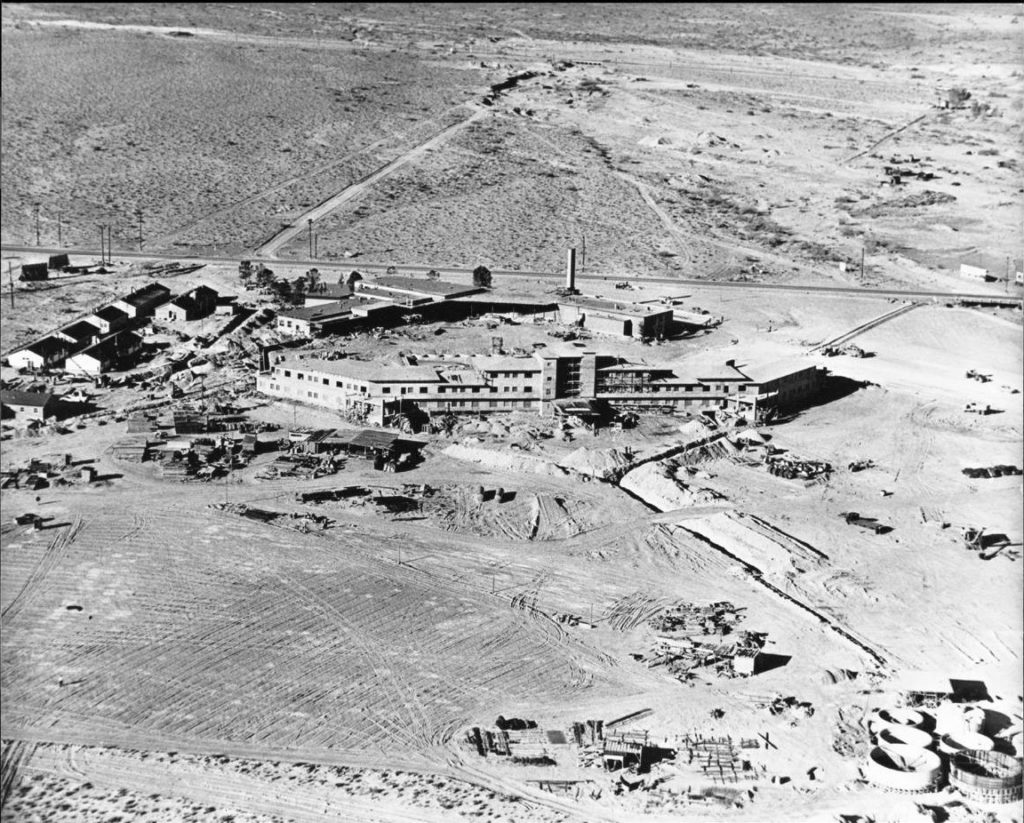
When construction began in 1945, the prevailing model for lodging in the region consisted of modest motels and gambling halls designed for quick turnover. Siegel, however, had grander aspirations. He wanted to bring the elegance of Miami style architecture to the West. The Flamingo was designed to be a self-contained resort, complete with lush landscaping, a swimming pool, and fine dining, setting a precedent that every subsequent property on the Las Vegas Strip would eventually follow.
The Struggles of Construction
The building of the resort was fraught with logistical and financial difficulties. Post-war material shortages, coupled with the immense challenge of building in an arid climate, drove construction costs through the roof. Despite these obstacles, the hotel opened its doors in late 1946. Although the initial launch was not the immediate financial success Siegel had hoped for—owing to a lack of available hotel rooms to house guests overnight—it laid the structural and conceptual foundation for the modern luxury resort.
Evolution and Expansion: From 1946 to the Modern Era
Following its turbulent start, the property underwent significant transitions. It was not merely a structure of steel and concrete; it was an evolving project that mirrored the changing tastes of the mid-20th century. Throughout the 1950s and 1960s, the resort expanded its footprint, adding wings and renovating its facade to keep pace with the hyper-competitive landscape of the Strip.
Architectural Transformations
The original facade of the property was replaced and modernized multiple times over the decades. What began as a smaller, more intimate desert getaway was systematically transformed into a sprawling complex. These renovations were not just aesthetic updates; they were strategic expansions aimed at capturing a wider market, including middle-class families and convention travelers, rather than just the high rollers that characterized the early days of Nevada gaming.

The Integration of Amenities
One of the key lessons learned from the late 1940s was that a hotel needed to be a holistic experience. As Las Vegas matured, so did the offerings at the Flamingo Hotel. The addition of expansive pools, elaborate show theaters, and diverse restaurant concepts helped shift the focus toward leisure and tourism. This transition was essential in ensuring that the resort remained relevant even as newer, more opulent mega-resorts emerged on the horizon.
The Cultural Significance of the Pink Landmark
The Flamingo holds a unique place in the cultural imagination. For many visitors to the United States, the bright pink neon lights are a symbol of a bygone era, representing a mix of mystery, luxury, and the relentless optimism of mid-century America.
A Benchmark for the Hospitality Industry
By setting the standard for what a luxury resort could be, the Flamingo Hotel created a blueprint that fundamentally changed the business of hosting guests. The integration of high-quality dining, entertainment, and comfortable lodging into one venue became the industry gold standard. It taught developers that providing an immersive environment was just as important as the quality of the service itself.
Preserving a Legacy
Today, the property remains a functional, high-traffic destination, but it is also treated as a historic site. Every renovation seeks to balance the necessity of modern convenience—such as high-speed internet, updated suite amenities, and efficient check-in systems—with a reverence for the original vision. This balancing act is what allows the hotel to remain a vibrant part of the Las Vegas Strip economy rather than becoming a museum piece.
Why the Flamingo Still Matters Today
To understand the longevity of the Flamingo, one must look at how it has adapted to the changing demographics of travelers. While it started as an exclusive enclave for the elite of Hollywood, it has successfully pivoted toward a broader demographic. This agility is a testament to its enduring design.
Lessons in Adaptive Reuse
The property has endured by understanding that building materials and guest preferences are temporary, but a brand identity is permanent. The use of the signature pink color palette, for instance, has remained a constant branding pillar that visitors immediately recognize. By maintaining this identity while consistently upgrading the infrastructure, the owners have managed to bridge the gap between 1946 and the present day.
The Future of the Resort
As Las Vegas continues to evolve, the Flamingo Hotel stands as a reminder of the city’s roots. It serves as a physical timeline of the evolution of American hospitality. Future developments in the area continue to take cues from the original design principles first implemented here: prioritize the guest experience, invest in striking visual aesthetics, and build an environment that feels disconnected from the outside world.
In summary, the Flamingo was built in 1946, a year that forever altered the trajectory of tourism in Nevada. While the structures have changed and the amenities have been modernized, the core philosophy—a commitment to luxury, entertainment, and the creation of an unforgettable guest experience—remains intact. For anyone visiting the United States who wishes to experience the birth of the modern resort, a stop at this legendary property is not just recommended; it is essential. From its humble and rocky origins in the West to its current status as a pillar of the industry, the hotel proves that while history is built once, a great reputation is built every single day.
LifeOutOfTheBox is a participant in the Amazon Services LLC Associates Program, an affiliate advertising program designed to provide a means for sites to earn advertising fees by advertising and linking to Amazon.com. Amazon, the Amazon logo, AmazonSupply, and the AmazonSupply logo are trademarks of Amazon.com, Inc. or its affiliates. As an Amazon Associate we earn affiliate commissions from qualifying purchases.