
For the modern professional, blending executive responsibilities with the allure of Nevada is an increasingly popular lifestyle choice. Whether you are launching a startup to capitalize on the state’s favorable tax climate or expanding an existing enterprise to cater to the booming Las Vegas market, establishing a legal presence is the foundational step. Navigating the administrative landscape of the Silver State requires a structured approach to compliance, ensuring that your corporate footprint remains secure while you enjoy the unique opportunities offered by the region.
Understanding the Regulatory Framework of Nevada
Before you dive into the operational aspects of your venture, it is essential to distinguish between a state-level business license and local jurisdictional requirements. In Nevada, the regulatory environment is designed to be streamlined for entrepreneurs, yet it demands precise attention to detail.
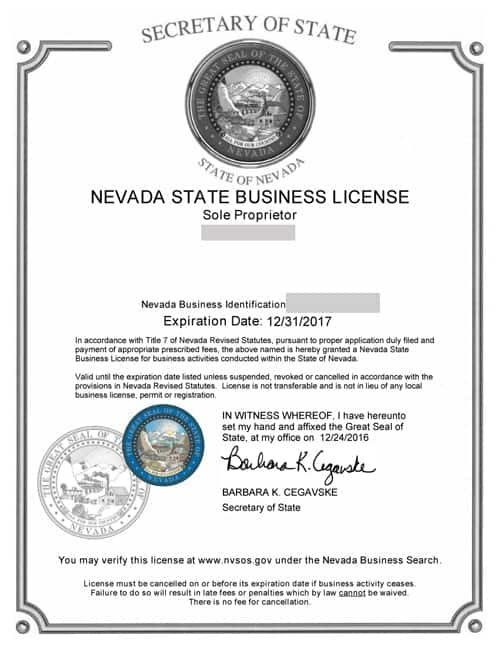
The State Business License
The primary credential required for any entity operating within the state is the State Business License, issued by the Secretary of State. This is not merely a permit; it is a legal prerequisite for conducting commercial activity. Whether you are a sole proprietor, a partnership, or a limited liability company, the Secretary of State office mandates that you remain in “good standing” to maintain your corporate veil and operational legitimacy.
For those establishing their base of operations near iconic sites like Red Rock Canyon or the bustling corridors of Henderson, this state-level filing is the mandatory baseline. You will need to submit an initial filing upon formation and adhere to an annual renewal schedule to keep your credentials active.
Navigating Local Jurisdictions
Beyond the state requirements, individual cities and counties maintain their own licensing ordinances. A business license for a firm headquartered in Reno will differ significantly from one required for a mobile service provider operating within the Clark County limits. This is a critical distinction, especially for those managing business stays or remote operations in popular destinations like Lake Tahoe. If you fail to secure the correct local license, you risk fines or the forced suspension of your activities, regardless of whether your state registration is current.
Step-by-Step Acquisition Process
Securing a business license is a linear process, provided you have your documentation organized. By following these steps, you can transition from an aspiring entrepreneur to an officially recognized business entity in the Silver State.
Step 1: Corporate Filing and Entity Selection
Before you apply for a license, you must ensure your entity is legally registered. This involves selecting your business structure—such as an LLC, Corporation, or Sole Proprietorship—and filing the Articles of Organization or Incorporation with the Nevada Secretary of State. This step effectively establishes your business as a legal entity capable of entering contracts and holding property.
Step 2: Federal and State Tax Identification
You will need a Federal Employer Identification Number (EIN) from the IRS. Think of this as the social security number for your business. Once your EIN is secured, you must register with the Nevada Department of Taxation. This is where you declare your intent to conduct business and set up the necessary accounts for sales and use tax, or modified business tax, depending on your revenue and industry.
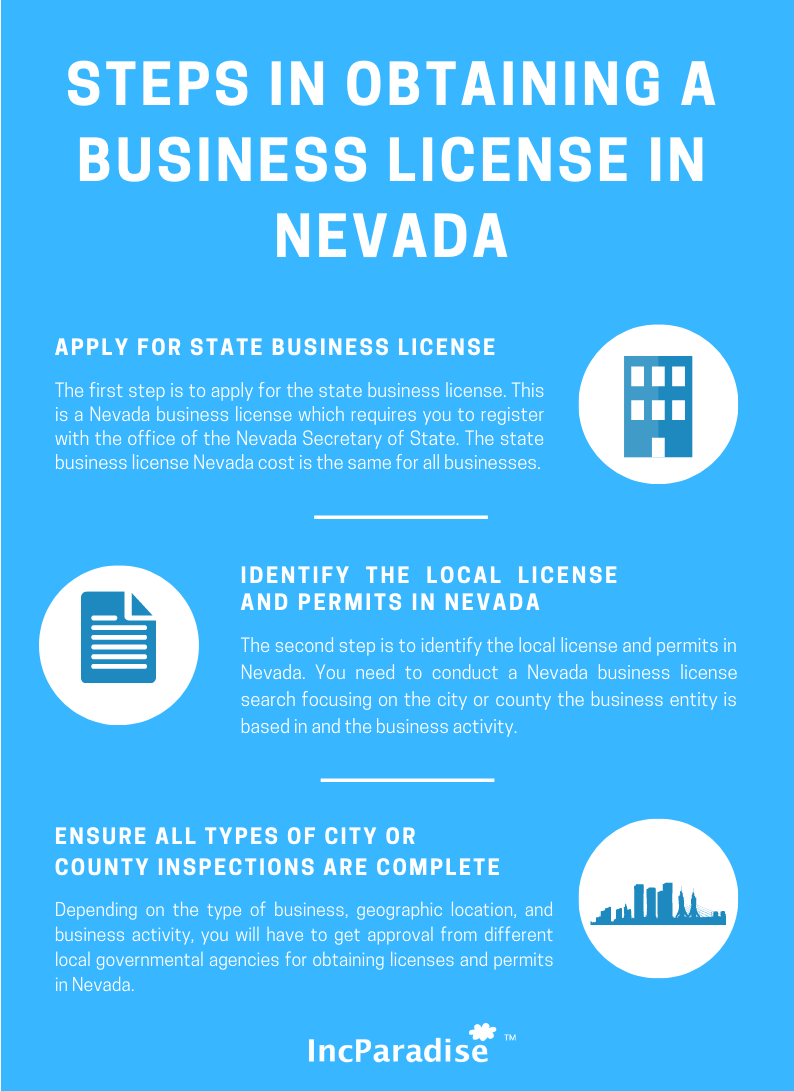
Step 3: Local Application Submission
Once the state and federal requirements are satisfied, you proceed to the city or county clerk’s office where your physical or “nexus” office is located. For businesses catering to tourists—such as those offering specialized services near the Hoover Dam or Valley of Fire State Park—you may be required to provide a site plan or demonstrate compliance with local zoning ordinances.
Best Practices for Maintaining Compliance
Once your license is in hand, the goal shifts from acquisition to maintenance. Many professionals find that the most challenging aspect of running a business in a tourist-heavy environment is staying ahead of renewal deadlines while managing daily operations.
Annual Filings and Renewals
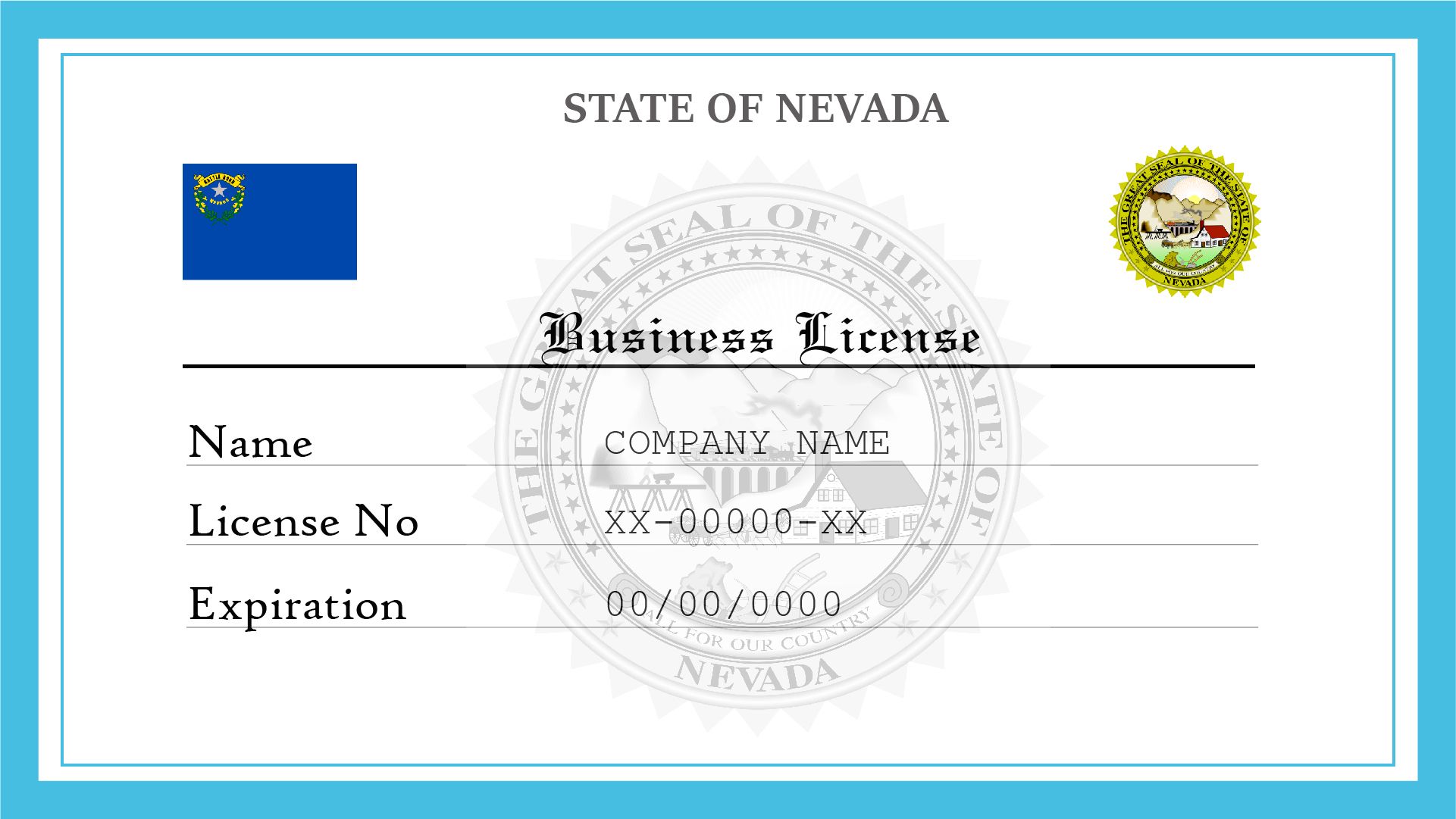
The Nevada State Business License requires an annual renewal. Mark your calendar for the anniversary of your original filing date. Most administrative tasks can be handled through the “SilverFlume” portal, which is the state’s official business hub. Utilizing this digital interface allows you to manage multiple licenses, check your compliance status, and pay fees in a single centralized location.
Zoning and Industry-Specific Permits
Depending on your niche, a general business license might not be enough. If you are operating a business that interfaces with the hospitality or tourism sectors—perhaps providing luxury concierge services for visitors to the Bellagio Hotel and Casino or Caesars Palace—you might need supplemental permits regarding health, safety, or short-term rental regulations.
Always consult with the local municipal office in cities like Boulder City or Carson City to verify if your specific activity requires a special use permit. Being proactive here prevents last-minute disruptions that could impact your clients or your revenue stream.
Staying Informed on Local Legislation
Nevada’s regulatory environment is dynamic, particularly in regions experiencing rapid growth. Business owners should stay attuned to updates from the Nevada Department of Business and Industry. Periodic check-ins ensure that you are aware of any shifts in tax codes, licensing fees, or reporting requirements that could affect your specific industry.
Leveraging Your Business Status in Nevada
Operating a licensed business in Nevada offers more than just legal protection; it integrates you into a vibrant ecosystem of commerce and tourism. Whether your headquarters overlooks the neon horizon of the Las Vegas Strip or you operate out of the tranquil mountains near Mount Charleston, being a credentialed business owner allows you to operate with confidence.
By fulfilling your licensing obligations, you demonstrate to clients, vendors, and partners that your enterprise is legitimate, professional, and here to stay. It is the hallmark of a serious entrepreneur who respects the rules of the local economy. With your documentation in order, you can focus on what truly matters: growing your brand, serving your customers, and enjoying the extraordinary professional lifestyle that this state offers.
If you ever find yourself expanding your operations, perhaps looking into satellite offices in Laughlin or Mesquite, remember that the fundamental principles of licensing remain the same. Start with your state filing, transition to local jurisdiction compliance, and keep your renewal dates at the forefront of your operational strategy. Doing so ensures that your venture remains as enduring and impressive as the state landscape itself.
LifeOutOfTheBox is a participant in the Amazon Services LLC Associates Program, an affiliate advertising program designed to provide a means for sites to earn advertising fees by advertising and linking to Amazon.com. Amazon, the Amazon logo, AmazonSupply, and the AmazonSupply logo are trademarks of Amazon.com, Inc. or its affiliates. As an Amazon Associate we earn affiliate commissions from qualifying purchases.