
When travelers imagine Miami, they often conjure images of high-speed convertibles cruising down Ocean Drive, the sun-drenched sprawl of South Beach, and the sprawling infrastructure that links Florida into a interconnected web of highways. For decades, the narrative surrounding the “Magic City” has been one of car dependency. However, as the urban landscape undergoes a dramatic transformation, the question of whether one can truly experience this vibrant metropolis on foot has become increasingly relevant. The reality is nuanced: Miami is a city of pockets, offering immense walkability in concentrated cultural hubs while remaining challenging for those attempting to traverse its broader geographic expanse without a vehicle.

The Architecture of Urban Connectivity
Understanding the walkability of Miami requires a distinction between the sprawling suburbs and the dense, pedestrian-oriented urban cores. Historically, Miami was built for the automobile, designed during an era of rapid expansion that favored residential neighborhoods separated by wide multi-lane thoroughfares. Yet, recent investments in public transit and mixed-use development have redefined how locals and tourists navigate the city.
The Transit Revolution
The Metromover stands as the crown jewel of pedestrian-friendly infrastructure in Downtown Miami. This free, automated train system glides above the streets, allowing visitors to hop between major office buildings, museums, and residential towers without ever touching the asphalt. By removing the need for a car within the central business district, it serves as a critical bridge between Brickell and the surrounding cultural landmarks.
Pedestrian-First Planning
In neighborhoods like Wynwood, the philosophy of street design has shifted. Once an industrial district, it has been reclaimed by artists and pedestrians alike. Wide sidewalks, mural-covered alleyways, and pedestrian-only plazas make it one of the most walkable areas in the entire state. Here, the experience is designed to be slow; it is a place meant to be wandered, where the journey between galleries and cafes is as rewarding as the destinations themselves.
Neighborhoods Designed for the Stroll
While Miami as a whole may not be a “walking city” in the vein of New York City or Paris, it is a collection of hyper-walkable neighborhoods. For the traveler, the strategy is not to walk the whole city, but to choose a base of operations that encourages exploration on foot.
The Heart of Art: Wynwood and the Design District
The Wynwood Walls serve as an anchor for a district that is explicitly designed for pedestrians. When you transition from Wynwood into the Miami Design District, the transition is seamless. Both areas feature low-speed traffic zones, abundant public art, and centralized outdoor retail spaces. These neighborhoods reward those who park their rental car for the day and immerse themselves in the local street art scene.
Coastal Charm: South Beach and the Art Deco District
South Beach is perhaps the only area in Miami where a car is more of a liability than an asset. The Art Deco Historic District is perfectly scaled for walking. With its narrow streets, proximity to the Atlantic Ocean, and a near-constant flow of human traffic, the infrastructure here is entirely human-centric. Walking from Lummus Park to the boutique shops on Lincoln Road is a staple of the Miami experience.

Navigating the Challenges of Non-Pedestrian Zones
Despite the success of the aforementioned neighborhoods, a significant portion of Miami remains difficult to traverse on foot. The heat, the humidity, and the sheer scale of the city present physical hurdles that cannot be ignored.
The Climate Factor
Even in areas that are architecturally walkable, the climate plays a massive role in accessibility. During the summer months, the intensity of the Florida sun makes mid-day walking an endurance sport rather than a leisurely stroll. Smart travelers plan their walking excursions for the early morning or the cooler evening hours. Furthermore, the lack of sufficient shade in newer developments can turn a ten-minute walk into an exhausting endeavor.
Connecting the Islands
The major hurdle for any pedestrian in Miami is crossing the bodies of water that separate the mainland from the barrier islands. While the Venetian Causeway is a beautiful, if long, walk that connects Miami Beach to the mainland, most other bridges are high-speed, multi-lane roads with narrow or non-existent sidewalks. This creates “pedestrian islands” where travelers are forced to rely on rideshares or public buses to bridge the gap between their hotel and the city’s highlights.
Strategies for the Foot-First Traveler
If you are committed to seeing the city without being tethered to a steering wheel, success lies in your logistical approach. The “hub-and-spoke” method remains the most effective way to enjoy the city.
- Select a Strategic Home Base: Stay in Brickell or Downtown Miami. This puts you within walking distance of the Metromover and provides easy access to the Metrorail, which connects to Coconut Grove and Coral Gables.
- Utilize Micromobility: Miami has embraced the sharing economy for transportation. Electric scooters and bike-share programs are ubiquitous in high-traffic areas, filling the “last mile” gap that often makes walking difficult in the suburbs.
- Embrace the Water: Do not overlook the water as a transit corridor. The Water Taxi systems allow you to bypass the traffic of the bridges entirely, offering a scenic and efficient way to travel between Bayside Marketplace and Miami Beach.
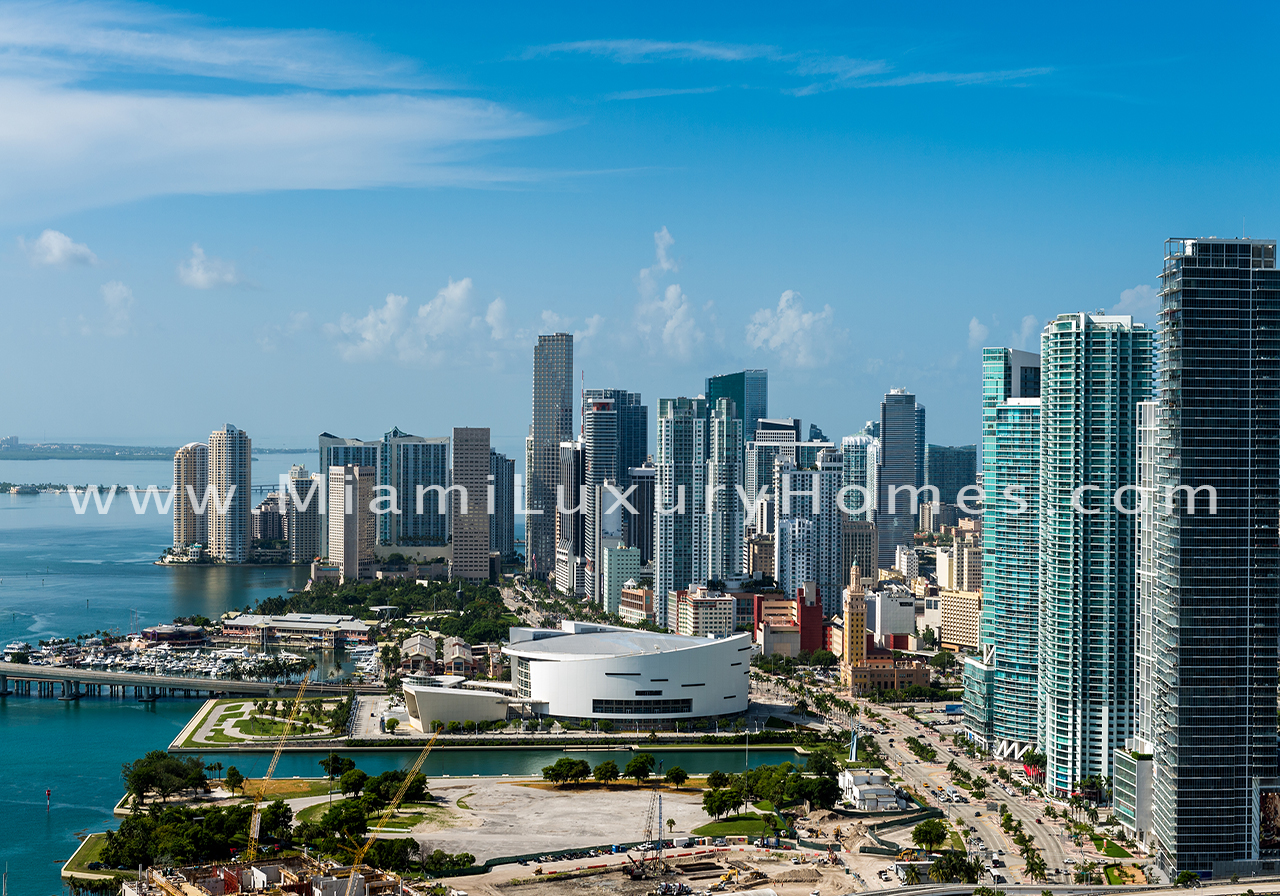
The Future of Walkability in South Florida
The trajectory for Miami is undeniably pointing toward greater pedestrian accessibility. The Underline, an ambitious project currently under construction, aims to transform the land beneath the Metrorail into a ten-mile linear park and urban trail. This initiative represents a turning point in urban planning for the region, proving that Miami is no longer content to be solely a city of highways.
As urban density increases, the demand for walkable amenities has surged, forcing developers to prioritize the pedestrian experience in every new project. From the lush courtyards of the Pérez Art Museum Miami to the pedestrian-friendly corridors of Little Havana, the city is slowly weaving its disconnected neighborhoods into a more cohesive, walkable fabric.
Ultimately, Miami is a “choose your own adventure” city. If you remain within the well-planned, high-density cores, the city is a paradise for those who prefer to explore on foot. If you venture too far beyond these hubs, the car once again becomes a necessity. However, for the modern visitor, the best way to see the true heart of this city is to find a comfortable pair of walking shoes, choose a vibrant neighborhood like Coconut Grove, and discover the hidden gems that are simply invisible from the window of a car. The magic of Miami is found in the details—the smell of Cuban coffee in Calle Ocho, the intricate tile work of a historic Art Deco lobby, and the sound of waves hitting the shore at South Pointe Park. These are things you cannot drive through; they are things you must walk to find.
LifeOutOfTheBox is a participant in the Amazon Services LLC Associates Program, an affiliate advertising program designed to provide a means for sites to earn advertising fees by advertising and linking to Amazon.com. Amazon, the Amazon logo, AmazonSupply, and the AmazonSupply logo are trademarks of Amazon.com, Inc. or its affiliates. As an Amazon Associate we earn affiliate commissions from qualifying purchases.